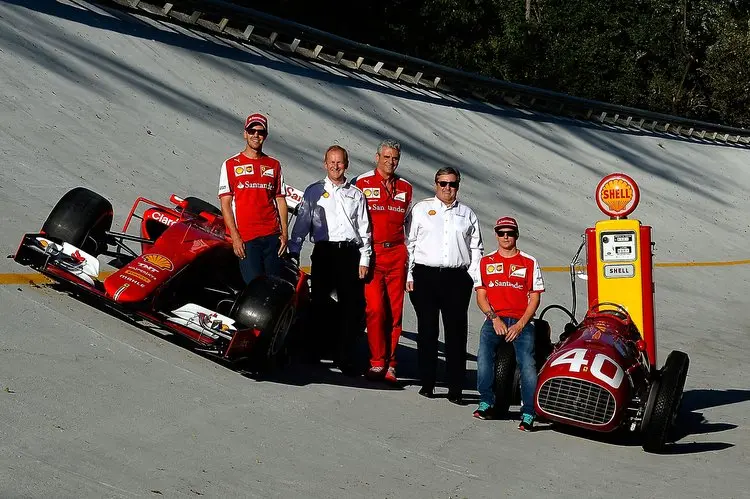
Since the introduction of the vehicle in the early 1900s, when it offered the ideal platform for oil corporations to advertise their products, the oil business has been active in racing.
Companies like Shell and Mobil realized in the 1920s that they might increase brand awareness by sponsoring racing events. This was the beginning of an enduring collaboration that significantly impacted both industries.
To understand more about the historical interplay between oil companies and racing, you can learn on oil-pro-profit.com.
The Background of Oil Sponsorships in Motorsports
In the 20th century, racing and the oil sector started working together. As vehicles became increasingly popular, oil firms utilized racing events as a platform to sell their products. Companies like Shell and Mobil realized in the 1920s that they could use these occasions to sell their products. They started supporting drivers and events, which signaled the beginning of an enduring collaboration.
In the beginning, sponsorships were simple. Oil corporations sponsored events and cars with financial support in exchange for advertising space. Both parties gained from this collaboration. Oil firms gained exposure to a vast audience of automotive enthusiasts while racing teams received much-needed funding to upgrade their vehicles.
A notable collaboration that began early on was between Shell and Scuderia Ferrari. Starting in the 1930s, this partnership established the standard for ensuing sponsorships. With Shell's assistance, Ferrari ruled the racing world and established a reputation for dependability and performance.
Oil companies increased their sponsorships after World War II. The automobile industry's boom and motorsports' increasing appeal provided the ideal conditions for these collaborations to flourish. Companies that assist teams and drivers in various racing categories, such as Castrol and Gulf Oil, entered the fray.
Famous Collaborations Racing and Their Effect
The Ferrari and Shell alliance is among the most well-known. This partnership, which began in the 1930s, has grown legendary. Shell's knowledge of fuel and lubricants contributed to Ferrari's incredible on-track performance. This collaboration set the bar for other teams and sponsors, proving the value of premium goods in attaining optimal performance.
Another noteworthy collaboration is between Mobil 1 and McLaren. In the 1990s, Mobil 1 started supporting McLaren by providing the team with cutting-edge lubricants, which enhanced the team's performance. This partnership produced multiple wins and titles, demonstrating lubricants' vital role in engine dependability and efficiency.
Another is the well-known collaboration between Porsche and Gulf Oil. Gulf Oil sponsored Porsche's racing endeavors in the 1960s and 1970s, which resulted in multiple race victories, including the 24 Hours of Le Mans. The classic blue and orange Gulf livery is still recognized throughout motorsports history as a symbol of excellence in racing.
These collaborations significantly impacted the perception of the brand. Oil firms established their leadership in innovation and performance through their affiliation with prosperous racing teams. This relationship improved their reputation among customers, raising sales and brand loyalty.
Innovations in Technology Propelled by Petroleum Sponsorships
The development of engine lubricants is one significant area. Extreme operating conditions for racing engines necessitate lubricants resistant to high pressures and temperatures. Oil firms and racing teams have collaborated to develop cutting-edge synthetic lubricants that provide exceptional performance and protection. These developments have found their way into consumer goods, giving regular cars' engines greater efficiency and safety.
Oil sponsorships have also resulted in notable advancements in fuel technology. High-performance fuels that optimize power output while preserving efficiency are essential for racing teams. Oil corporations have made research and development investments to produce fuels that satisfy these specifications. Because of this research, consumer car fuels are now cleaner and more efficient, which lowers emissions and increases fuel efficiency.
The cooperation between racing teams and oil firms has also accelerated materials science research. Chemical engineering has made significant strides due to the need for novel additives and formulations in the creation of high-performance fuels and lubricants. These developments are useful in fields other than racing, such as manufacturing and aerospace.
Moreover, oil corporations can gain significant insights from the data gathered from racing. The sensors and telemetry systems in racing cars generate substantial data on engine performance and lubricant behaviour. Using this data to develop new technologies and improve product compositions ensures continuous progress.
Influence of Brands and Marketing
Oil sponsorships offer visibility, one of their main advantages. Racing events provide advertisers with broad exposure since they draw millions of viewers from around the globe. Through driver outfits, trackside ads, and car logos, oil corporations use this platform to sell their products. By strengthening the link between the brand and high-performance motorsports, this visibility contributes to increased brand recognition and loyalty.
Through oil sponsorships, businesses may also showcase the effectiveness and calibre of their products in a challenging setting. Oil firms may showcase their technological know-how and product dependability by sponsoring winning racing teams. Establishing a connection with elite racing teams fosters consumer confidence and legitimacy.
Oil sponsorships provide corporations with visibility, product demonstrations, and direct interaction with their target market. Numerous oil sponsors arrange fan experiences, competitions, and events to engage with racing enthusiasts. Through these programs, supporters feel more connected to one another and more devoted to the brand, which enhances its reputation.
When it comes to marketing through oil sponsorships, storytelling is essential. Businesses frequently tell the tales of their collaborations, including the technological obstacles they surmounted and the successes they brought about. Fans find emotional resonance in these stories, which forges a bond with the brand.
Sponsorships' Impact on Team Performance
One of oil sponsorships' main advantages is the financing they offer. Racing is a costly activity involving vehicle creation, upkeep, and transportation expenses. Oil company sponsorships help defray these costs, freeing up teams' funds to invest in enhancing their vehicles and procedures. Teams need this financial assistance to stay competitive and strive for success.
Additionally, oil sponsorships provide technological know-how and goods that improve team performance. Sponsors frequently provide cutting-edge fuels and lubricants, especially in racing circumstances. These high-performance accessories lower wear and tear, increase engine efficiency and improve overall vehicle performance. Oil businesses offer teams with technical support to guarantee they have access to the best goods and technologies available.
Moreover, thanks to oil sponsorships, teams can spend money on R&D. Thanks to the financial support, teams are able to push the limits of what is feasible in motorsports by experimenting with new technology and innovations. This R&D expenditure results in more competitive races and higher-performing cars.
One more thing that can draw elite talent to a racing team is the presence of a respectable oil sponsor. Teams with substantial financial and technical assistance are more likely to attract drivers, engineers, and mechanics. This infusion of talent improves the team's skills and performance on the track.
Conclusion
In conclusion, the early cooperation between racing teams and oil firms created the foundation for a profitable partnership that still exists today. These sponsorships have promoted an innovative culture, offered financial assistance, and made technological breakthroughs.
Latest News




Loading

