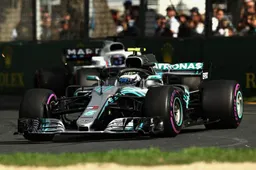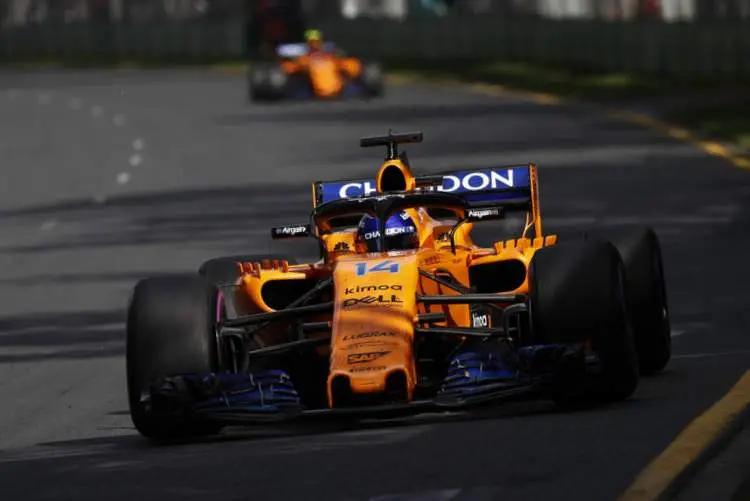
A comparison of last year's Australian Grand Prix qualifying times to this year's edition of the race makes for interesting reading, as in Melbourne McLaren had the most improved car on Saturday afternoon while Toro Rosso were slower around Albert Park than they were last year.
The analysis is based on the fastest laps set by drivers during qualifying in 2017 and now in 2018, which provides a good indication of outright pace as teams tend to max out what they have in their arsenal during Q1, Q2, and most of all in Q3. How this compares to their race trim pace is another exercise altogether.
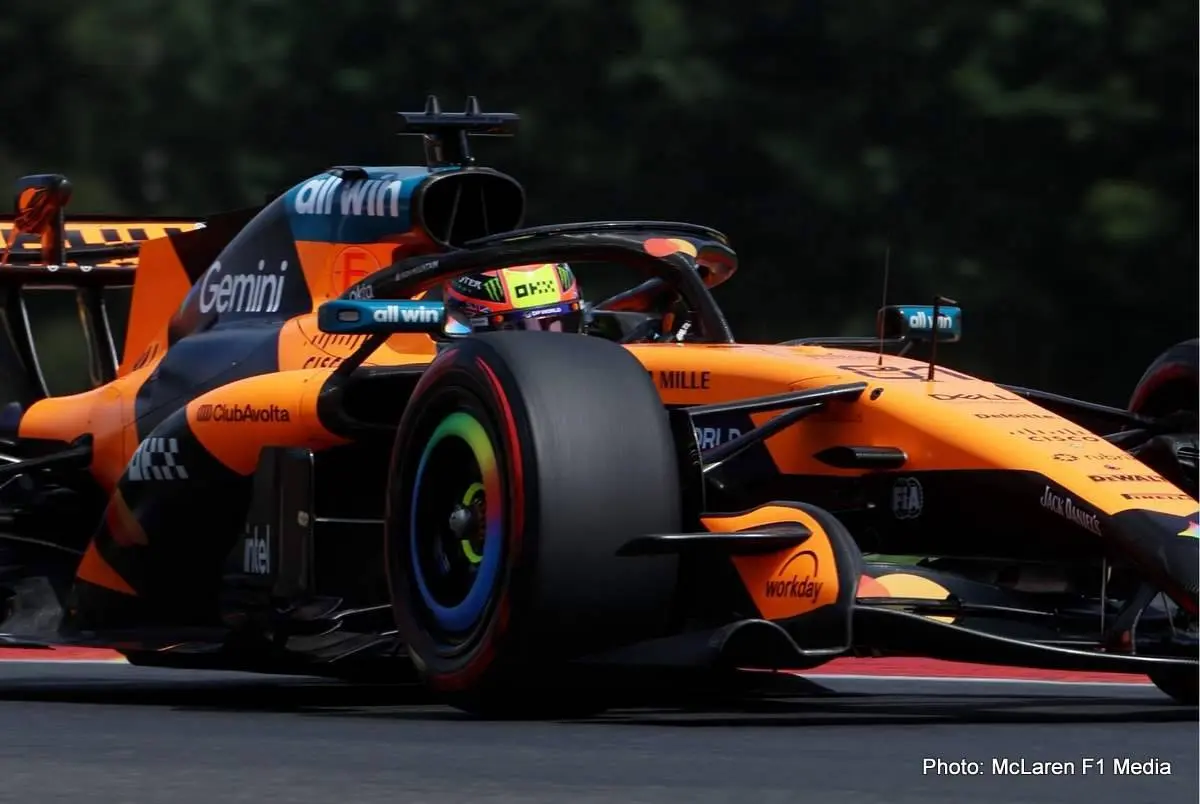
After three years of pain, the most improved team at Albert Park on Saturday was McLaren. The Woking outfit enjoying their first time out with Renault power and with it, Fernando Alonso went 1.8 seconds quicker than he did with his Honda-powered mount last year.
Other big climbers were Sauber who improved by 1.7 seconds, showing what a difference using current spec Ferrari power units make compared to the year-old engines they trundled around with last year.
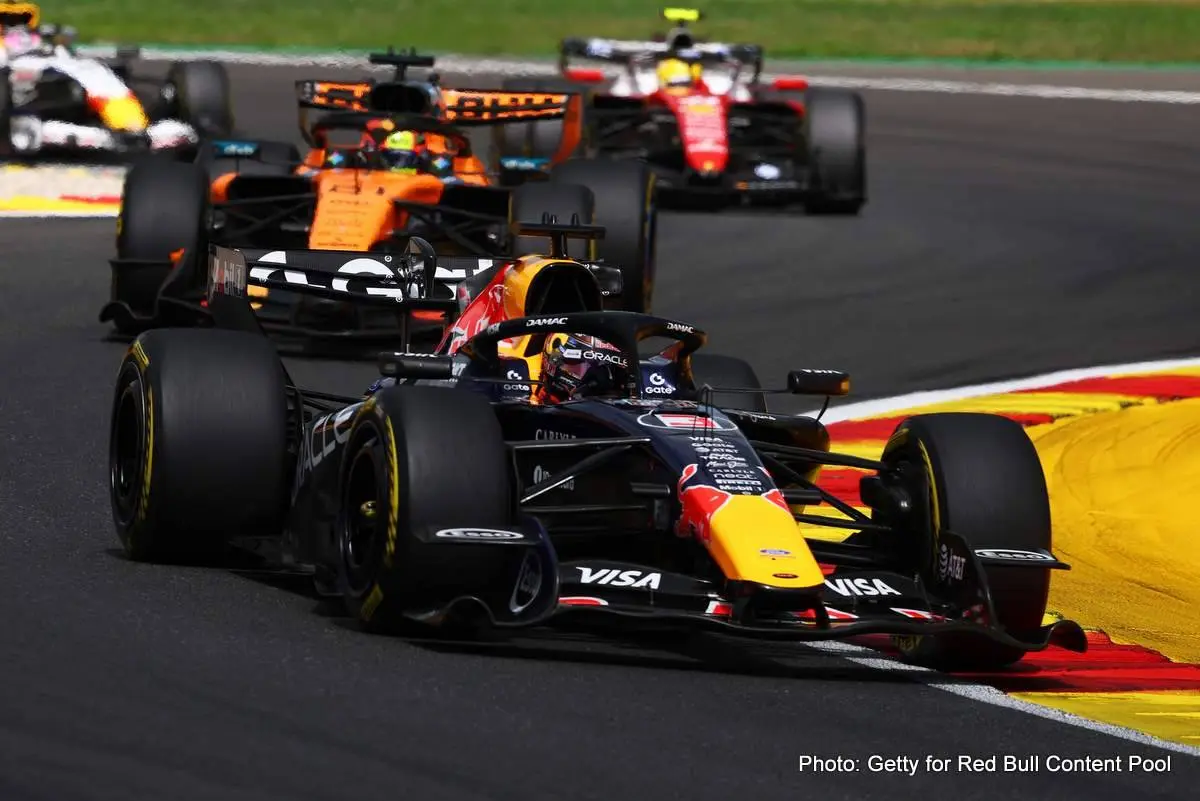
Of the Big Three, Red Bull have evolved the most compared to Ferrari and Mercedes. The energy drinks outfit were caught on the back foot last year, but this season finishing their car earlier than normal has seen them hit the ground running.
Renault have picked up their pace by 1.4 seconds around the venue, which puts the three Renault powered teams among the top four most improved outfits on the grid at the start of this season.
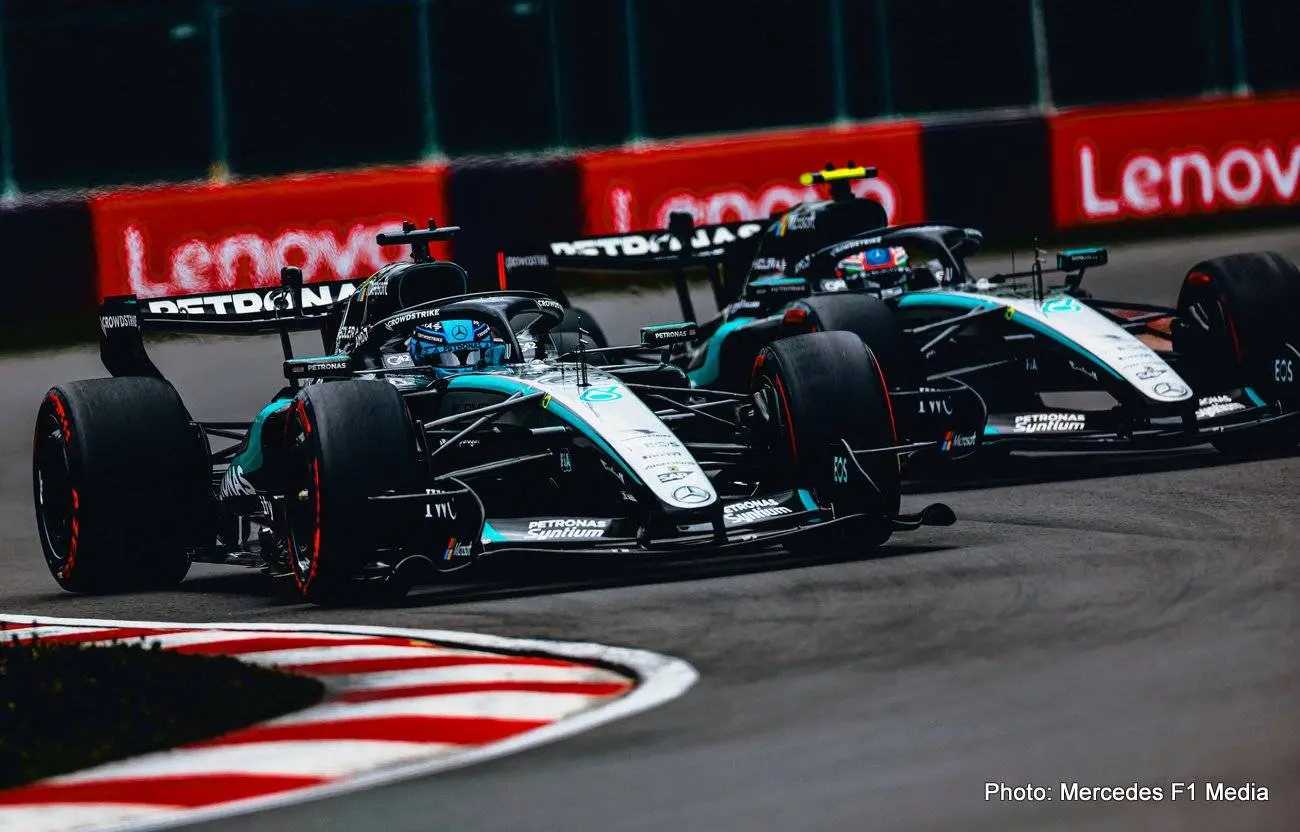
Mercedes improved by a full second, Lewis Hamilton set the pole-winning times on both occasions. This year's lap in 'party mode' was three-quarters of a second quicker than his closest rival. Last year the gap he had to next best was a quarter of a second.
This year Haas shone in the first half of the race at Albert Park and may well be the Best of the Rest at this stage of the season in race trim, but their outright qualy pace was just under a second better than they were 12 months ago.
Sebastian Vettel surprised even himself with victory in Melbourne, the German is savvy enough to know that Ferrari still lag behind Mercedes and they have work to do to get quicker in qualifying. Lap times show the Reds were quicker than they were a year ago, but the margin of improvement was only 0.6 of a second.
Williams have produced a driver unfriendly car which stumped the youngest driver pairing on the grid, proof being that Lance Stroll's best lap time was only a couple of tenths up on Felipe Massa's best last year.
Least improvement was shown by Toro Rosso who made their debut with Honda power on the opening weekend. Their qualifying this year was half a tenth slower than their best effort 12 months ago with Renault engines bolted to the back of their cars.
Interestingly Fernando Alonso's best lap in qualifying last year was 1:25.872, this year Brendon Hartley's best lap time was 1:24.532 which suggests that Honda may have found around 1.4 of a second from their power unit since Australia 2017.
Lap times comparison 2017/2018 Melbourne qualifying best lap times:
| Team | Improvement |
| 1. McLaren 2. Sauber 3. Red Bull 4. Renault 5. Force India 6. Mercedes 7. Haas 8. Ferrari 9. Williams 10. Toro Rosso | -1.8 seconds -1.7 seconds -1.6 seconds -1.4 seconds -1.1 seconds -1.0 second -0.9 of a second -0.6 of a second -0.2 of a second +0.04 of a second |
loading
Latest News

Loading