The new Formula 1 regulations will fundamentally reshape the sports betting sector by making historical data obsolete, shuffling the championship odds and shifting the focus of sports betting within the sport toward a more technical prop betting-centered market.
As teams face a simultaneous redesign of both the engine and the chassis, the traditional hierarchy is gone, resulting in highly volatile early-season data.
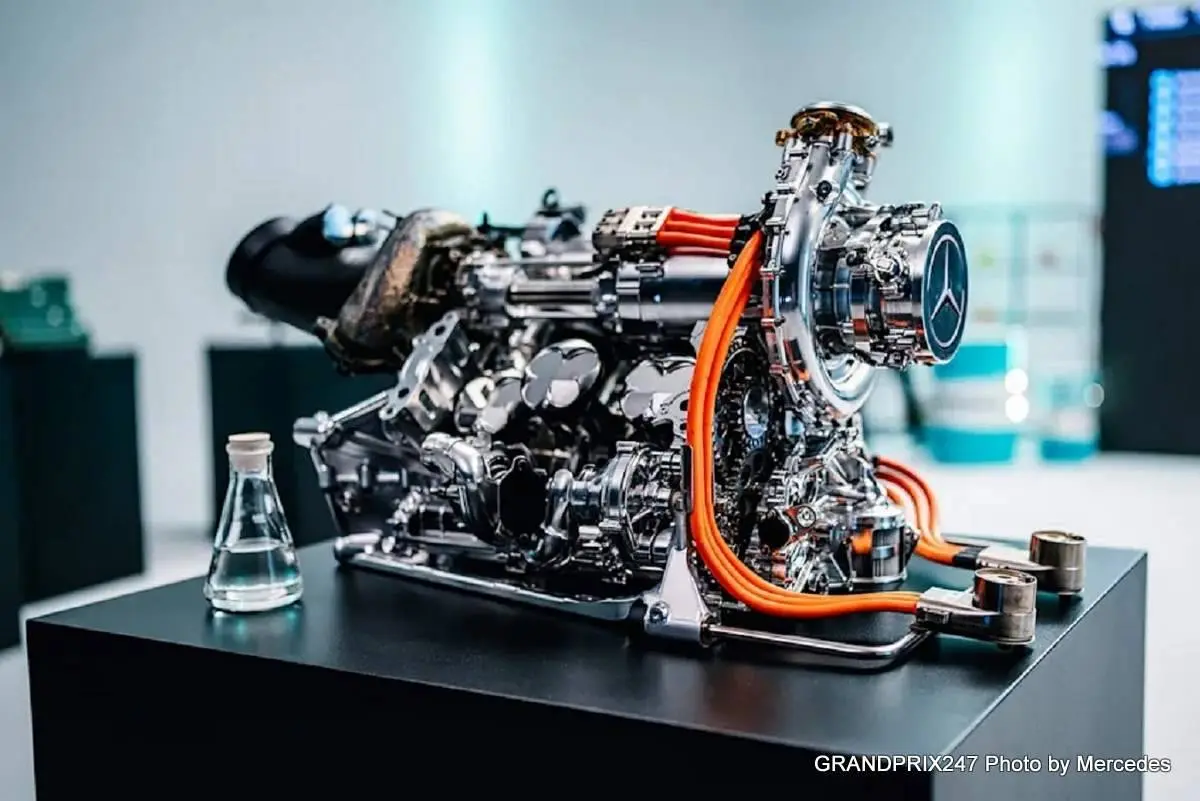
Formula 1 is currently undergoing a fundamental restructuring in terms of its regulations, a change that has been met with mixed reactions from both fans and drivers. The inclusion of a lighter chassis, active aerodynamics and a 50/50 split between the combustion engine and electric batteries has forced sportsbooks to re-evaluate how they price motorsports, resulting in bettors having to adjust their strategies.
Some experienced sports bettors are reassessing their betting, attempting to align their bets and predictions to the new market. In this light, many are looking for ways to safeguard their bankroll while getting a lay of the land, capitalizing on bonuses and promotions like the Fanatics Sportsbook promo to soften the potential financial blow and give them a safety net to buffer potential losses.
Why The Long-Term Outright Predictability Had Been Eliminated
Owing to the complete restructuring of the engine regulations, the playing field has now been leveled, and this makes long-term future bets more volatile than ever before. Bookies have substantially tightened their outright odds across the board.
Although the historically dominant Formula 1 drivers are still heavily backed, the uncertainty surrounding the new power units has drastically shortened the odds for constructor dark horses for newcomers.
If you're planning to participate in sports betting this season, you should try to adjust your betting strategy to ensure that:
- You avoid placing heavy, multi-unit bets on the Constructors' or Drivers' Championships until a clear technical frontrunner has emerged.
- Find value in younger drivers who benefit from a flatter development curve and equalized machinery.
This new landscape for Formula 1 means it's really anyone's game, and you shouldn't throw yourself behind a driver until the data can back up your confidence.
How Energy Management is Influencing Live Betting
With the traditional DRS giving way to Active Aero and an electronic Overtake Mode, Formula 1 races are becoming less about raw bravery or late braking and more about strategic battery deployment.
The drivers are now experiencing what engineers have described as "super clipping", where a car heavily depletes its battery and suddenly drops up to 50km/h on a straight in an attempt to harvest energy. This predictable loss in speed can create big opportunities in live betting.
If you actively monitor the telemetry, you can track when a leading car is running low on its 7-megajoule battery capacity and place a live bet for the car that's pursuing it to complete an onvertake onve Overtake Mode has been activated.
Why Micro-Betting and Prop Betting Are On The Rise
Given how difficult it's become to predict race winners due to this market now incorporating a complex equation on engine efficiency, many sports bettors are abandoning the traditional podium betting markets in favor of hyper-specific prop markets.
Sportsbooks are reporting a rapid increase in the volume of technical prop bets, such as:
- Fastest pit stop
- First driver to DNF
- Top speed trap winner
- Total tire stints used
- Number of classified winners
- Driver to gain the most positions on Lap 1
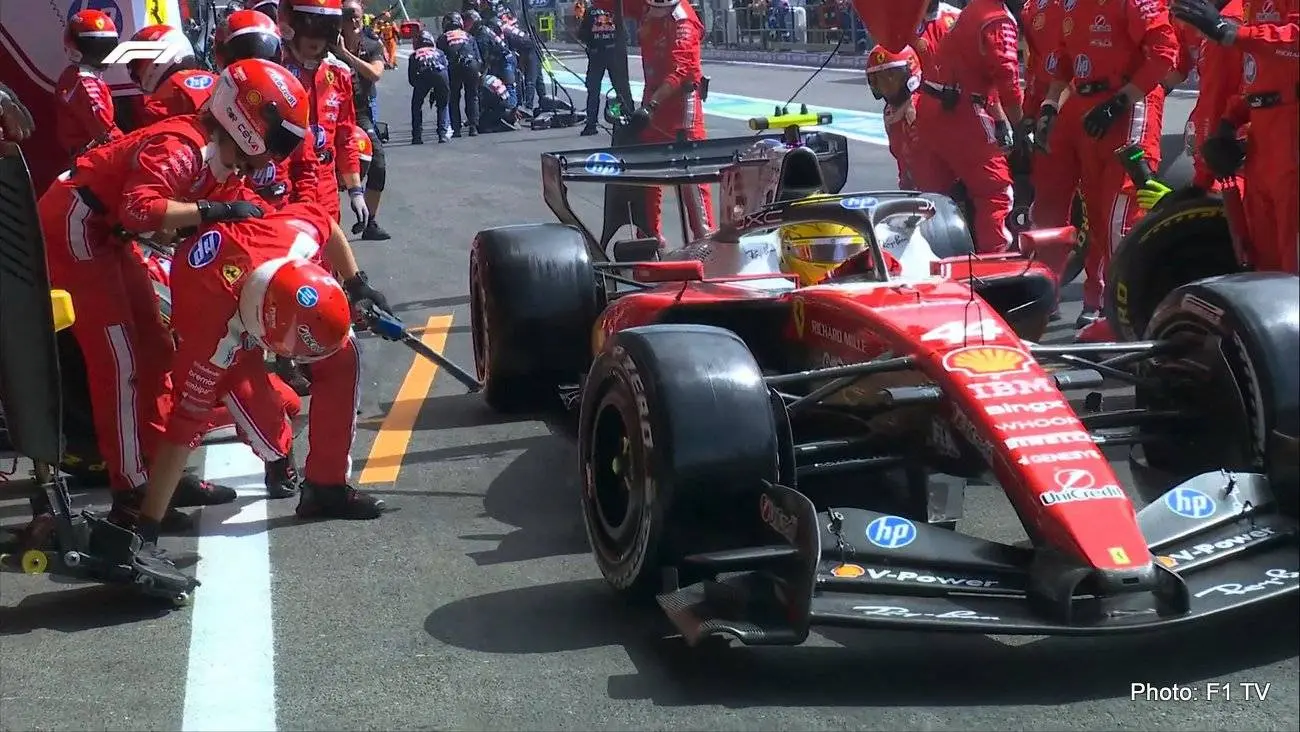
If you want to make the most of your sports betting this season, you should redirect your bankroll toward the operational markets. Now that the cars are 30kg lighter and narrower, the team pit crews have been forced to adjust to entirely new physical dimensions.
As such, betting on individual team execution, like pit stop speed, can offer you much cleaner statistical trends than trying to predict which engine won't face energy management issues on a given Sunday.
What Grid Expansion Means For Head to Head Value
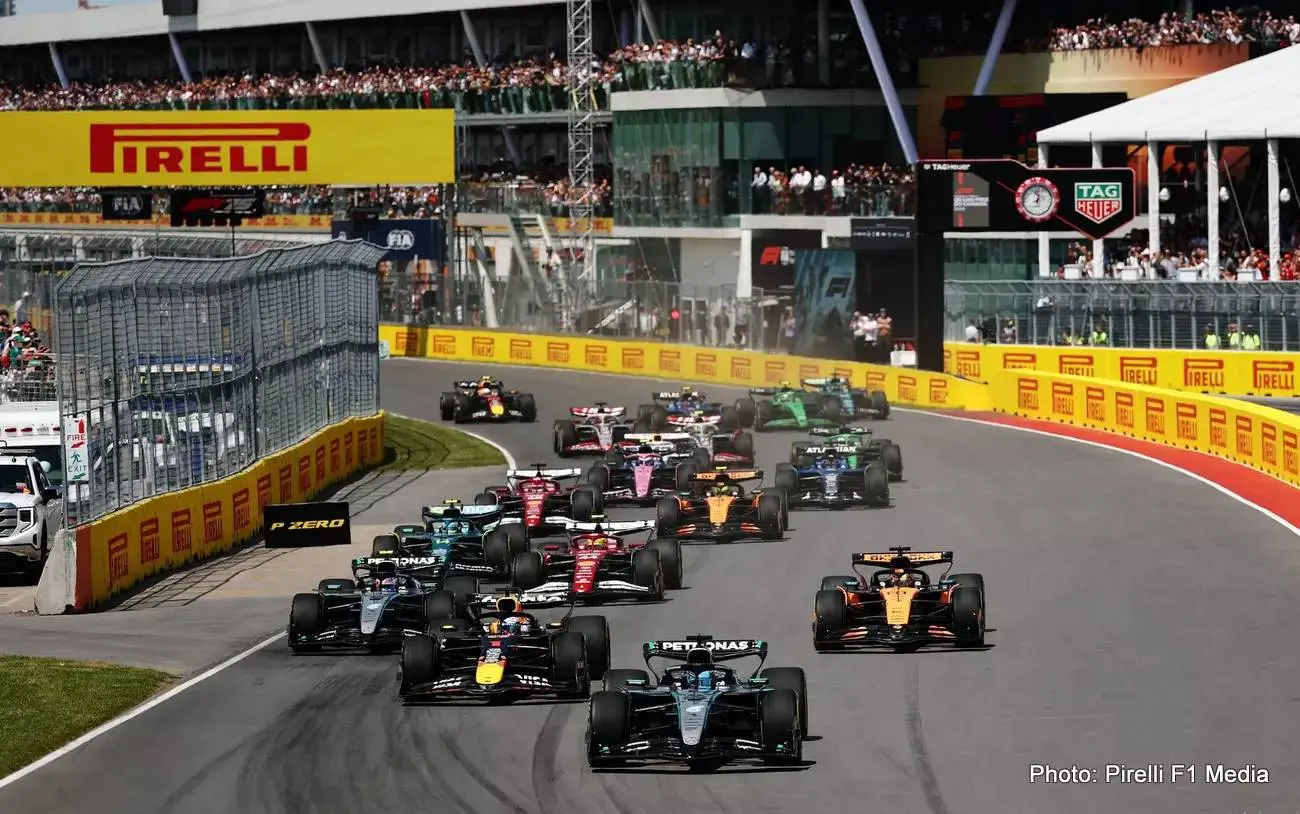
Now that the grid has been expanded to include 11 teams and 22 cars, the qualifying rules and driver matchups have changed. Qualifying now eliminates 6 cars instead of 5 in both Q1 and Q2, leaving the top 10 for the pole shoot-out.
The sporting rules now also state that, if a session is cancelled, the live championship standings will determine the grid. This means that the frontrunners will be heavily favored. As a bettor, you should focus on Driver Head-to-Head (H2H) matchups because, with more traffic on a narrower grid, the variance in qualifying will be massive.
New Rules, Same Game
No matter what your personal opinion is on the new regulations being implemented in Formula 1, the thrill of sports betting stays the same. Sure, there will be completely new dynamics to consider, and the focus of your betting markets has shifted, but with more data being offered in the form of telemetrics, Formula 1 analysis will be more efficient than ever before.
Latest News

Loading