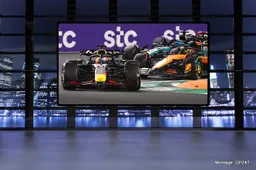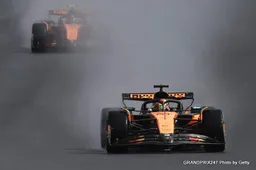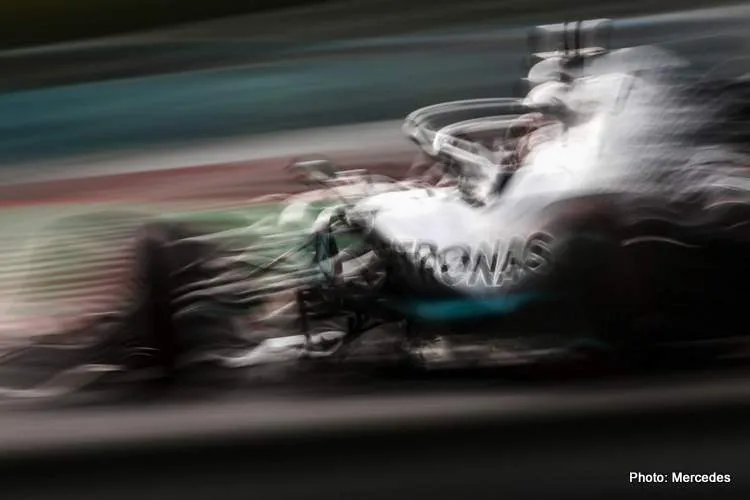
In motorsport, more than a number, speed is an ever-changing art form that’s created by innovation experience and razor-sharp instincts, and always at the edge of precision.
Whether it’s just going minute fractions faster around a lap, or executing a well-timed “bullit” move – the racing equivalent to a bullet – every single is relevant. There's an art to finding maximum speed, in all forms of motorsport, from karting tight up to the pinnacle: Formula 1.
Since technology continues to develop the machines and the drivers continue to test the limits of what is physically possible, the understanding of just what defines speed in racing continues to get more complex and interesting.
It discusses pretty much what you would expect from a study of speed in racing; the engineering that supports super bullet quick moves, the biomechanics of driver reflexes, aerodynamics, tire science, and seemingly’fusion’of race-course action with sports betting and digital gaming.
Breaking Down the Bullet Move: Precision at Full Throttle

takumasato_superaguri_indianapolis_2007
A "bullet move" is what many will refer to as high risk, high reward. Most of the time, it will be either an overtake or a launch from standing start that requires not only peak engine performance but split-second decision making. Several factors need to align if one is to perfect such a move.
Let acceleration be perfect. Allow traction to take place, throttle response to be right on the mark with very little wheelspin. Let positioning happen: gaps are mostly preempted, rivals’ movements read like a chess game played at 300km/h. Finally, let aerodynamic efficiency give the car a chance to cut through resistance and hold stability in such short windows.
Teams study data from thousands of previous laps searching for clues—ambient temperature that will make the tires grip, how much wind is too much, even what the driver’s own biometric signals were just before he made his bullet move. That makes the execution of such maneuvers a marvel of machine and man.
The Science Behind Speed: From Downforce to Driver Reflexes

Horsepower is not the sole determinant of speed. It’s a symphony of engineering marvels conjured and set appropriately in a specific order: downforce settings, weight distribution, suspension tuning, even driver hydration.
Modern F1 and endurance racecars are fighter jets for the ground. All wings and diffusers control the airflow with which to create a downforce stick at high speed on the track. So much downforce takes you nowhere fast because it creates drag; hence, you need to reduce it when chasing straight-line speed. Engineers have to find that balance between cornering ability and top-end pace.
Tires and Traction. Tire compounds and temperature windows are key. For example, Pirelli’s F1 tires have an optimal operating window of 10-15deg C. Outside of this window, the grip falls off precipitously. Teams are even allowed to preheat their tires so that they can hit the track already in the window.
Reflexes of a professional driver are 20% faster than the average person’s. Reaction time, precision in eye-tracking, and muscle memory all come into play. Training in simulators plus using real-time telemetry feedback enables drivers to practice repeating moves right at the edge of control.
Mechanical Evolution: How Technology Has Supercharged Racing Speed

Perhaps the greatest accelerator of speed in motorsports is technological innovation. Over the last decade, hybrid power units, kinetic energy recovery systems (KERS), and real-time car-to-pit telemetry throw radical transformations on racing strategy and speed potential.
Modern telemetry permits the variation of engine maps, brake bias, and suspension adjustments by remote access while the car is running. In simple words, it means that under certain conditions of the track, the car can be optimized for those very specific prevailing conditions. This system uses torque-vectoring front and rear differentials to dynamically send power where it will be best used to help accelerate out of a turn in an endurance race.
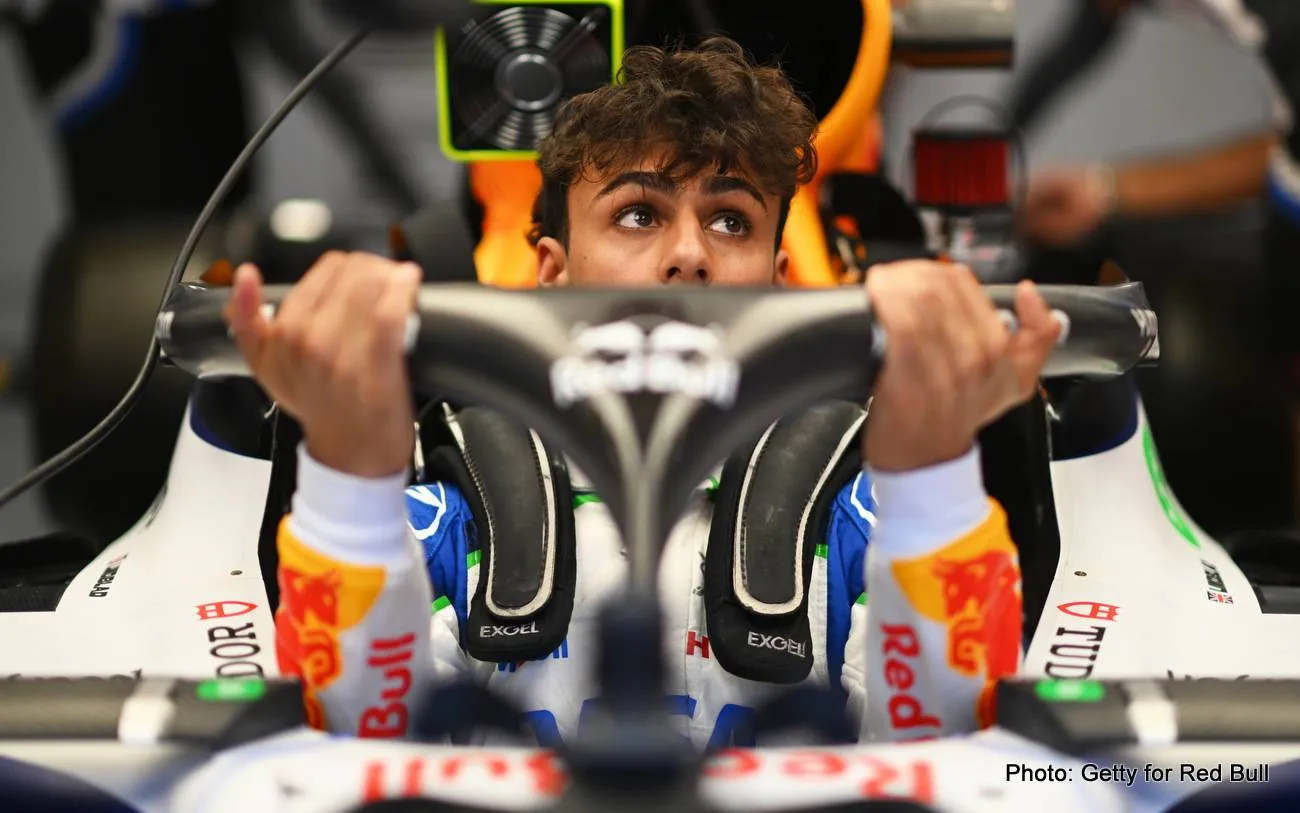
At the same time, carbon-fiber composites have made the car lighter yet stronger so that on the one hand they can run a more aggressive design and on the other hand without compromising safety. Just imagine even the steering wheel has become a real digital control center. Up to 25 buttons and rotary switches fine-tuning every aspect of performance.
Where Racing, Speed, and Betting Collide: A New Era of Interactive Spectatorship

In the modern era, racing is no longer confined to the racetrack; it's entering homes, smartphones, and betting slips. One of the more fascinating intersections is how speed-based sports are being mirrored in the digital betting world.
For example, the high-stakes tension of a last-lap overtake or a perfectly timed pit stop closely mirrors the dynamics found in interactive betting games. These platforms often emulate the same split-second decisions and risk-reward tension seen in motorsport.
A prominent example is the crash games (Arabic: لعبة الطيارة) where players make real-time choices that can either end in big wins or sudden losses, much like a risky racing maneuver.
Much like motorsport strategy, the game is built on anticipation, timing, and precision. The crossover appeal lies in how both experiences engage the user not just passively, but as a participant. This convergence is creating a new kind of spectator, one who analyzes form, odds, and timing with the same obsession as a race engineer might scrutinize telemetry data.
Betting odds, especially in Formula 1 or MotoGP, now reflect more than just driver skill. They incorporate weather patterns, tire choices, historical performance at specific circuits, and even the likelihood of safety cars all variables that influence speed and outcome.
Fans, in turn, engage with the sport on a deeper level, studying details that were once the domain of pit wall strategists.
The Human Factor: Why Drivers Still Make the Difference

Hence, while automation and machine learning can well creep into the world of racing, the human touch remains indelible. More so, here’s an art and finesse of managing tire degradation, making intuitive decisions amid chaos or psychologically outmaneuvering an opponent that defines the soul of the sport.
Racecraft, as they say, is more than just knowing the defendant’s merit and commitment to provoking an infraction of a mistake in a rival. It’s also the mental ordeal of enduring G-forces, heat, and 90 minutes of split-second choices without letting up in concentration.
Any simulator falls short of reproducing the visceral judgment of a driver on launching that bullet move through a tight chicane, trusting to come through unscathed on instinct, data, and experience.
Real speed has nothing to do with straight line quickness or top speed. It’s a total of physics and engineering and intuition and nerve. The best lightning moves are made not with horsepower but with understanding of the car, of the moment, of the track, of the other guy.
As the motorsport scene keeps changing, mixing with tech, online play, and world viewers, the meaning of speed grows wider yet stays just as exciting. Be it on tarmac, in a sim, or by way of a daring bet like MelBet the chase for speed is an age-old craving and we’re all buckled up for the thrill.
Latest News

Loading