Gentlemen, start your batteries!!! FIA Make Energy recharge changes for Suzuka
F1 NewsThursday, 26 March 2026 at 09:19
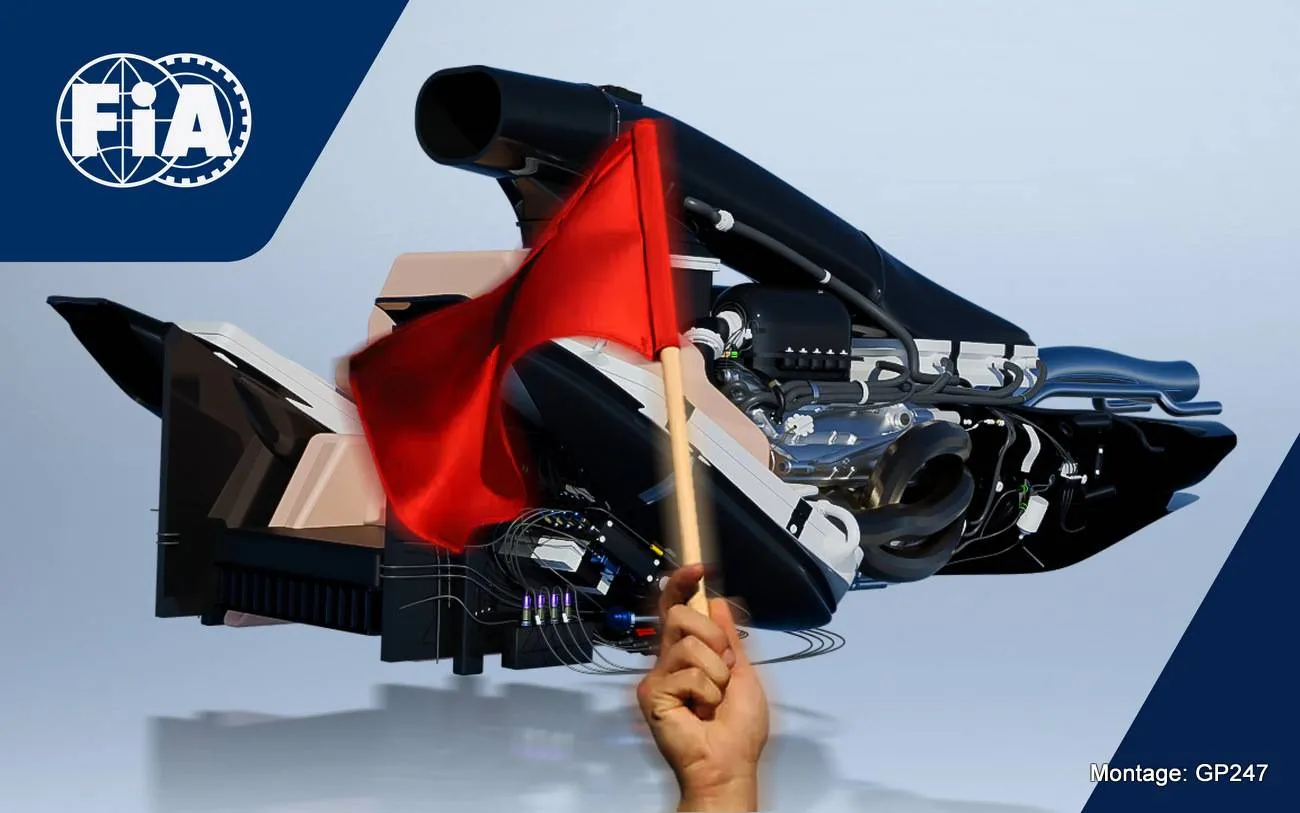
The FIA has made an early adjustment to Formula 1’s 2026 rules package, confirming a small but potentially significant change to energy management for qualifying at this weekend’s Japanese Grand Prix.
After discussions involving the FIA, all 11 Formula 1 teams and the sport’s power unit manufacturers, the governing body confirmed that the maximum permitted energy recharge for qualifying at Suzuka has been reduced from 9 megajoules to 8 megajoules.
The change was agreed unanimously by Mercedes, Ferrari, Red Bull Ford, Audi and Honda after concerns emerged from drivers during the opening 2 rounds of the season about the way the new energy deployment system was affecting performance on track.
In simple terms, the reduction means drivers will harvest less energy on the straights during qualifying. That should reduce the amount of part throttle running, lifting and coasting that has become one of the talking points of the new regulations.
The FIA framed the tweak as a targeted response to feedback rather than any wider rethink of the new rules.
In its statement issued on Thursday ahead of the Japanese Grand Prix, the FIA explained: “This adjustment reflects feedback from drivers and teams, who have emphasised the importance of maintaining Qualifying as a performance challenge.”
That line goes to the heart of the issue. Qualifying has traditionally been the purest expression of driver commitment and outright performance, and the concern was that excessive harvesting requirements risked diluting that.
More talks to come

The FIA added: “The FIA notes that the first events under the 2026 Regulations have been operationally successful, and this targeted refinement is part of the normal process of optimisation as the new regulatory framework is further validated in real-world conditions.”
That is an important distinction. The governing body is not presenting the move as a correction to a failed system, but as a normal evolution after the first live evidence from race weekends in Melbourne and Shanghai.
Even so, the fact that such a change has been approved this early in the season underlines how closely the new power unit formula is being monitored.
The FIA also made clear that the Suzuka adjustment may not be the last change linked to energy deployment.
It said: “The FIA, together with F1 teams and Power Unit Manufacturers, continues to embrace evolutions to energy management, with further discussions scheduled in the coming weeks.”
That leaves the door open for more refinements as the championship moves deeper into its first season under the new regulations.
For now, the immediate effect is clear. Suzuka qualifying should place a little more emphasis back on outright driving performance and a little less on managing battery recharge on the straights.
Whether that is enough to quiet the early criticism of the 2026 package remains to be seen, but the FIA has already shown that it is willing to react quickly when the balance between technology and driver input starts to drift too far in the wrong direction.
Latest News



Loading