Formula 1 Power Unit component audit: Who broke what? What's left to break?
F1 NewsSaturday, 27 June 2026 at 12:04
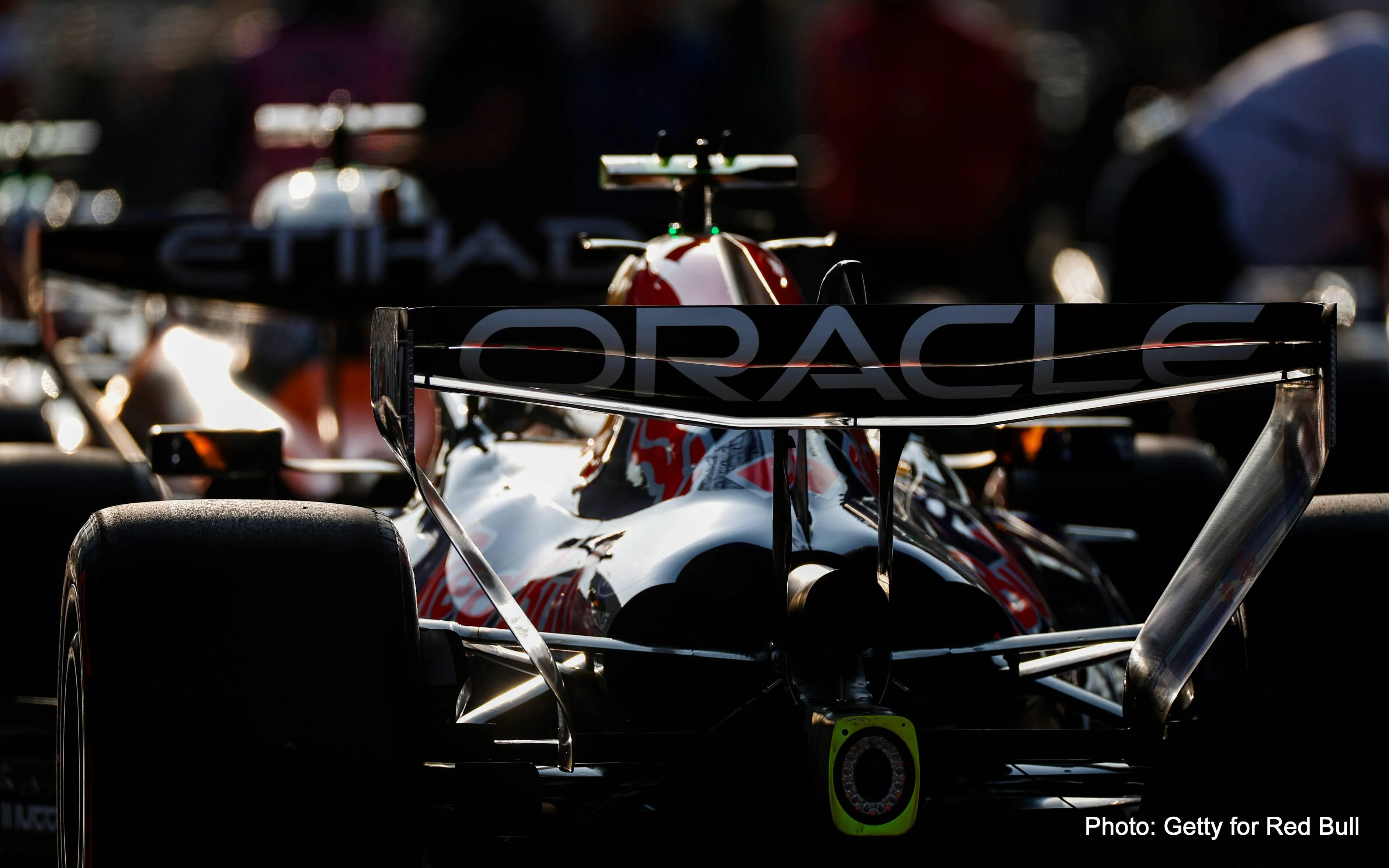
Formula 1 teams are beginning to feel the pressure of power unit management after the opening seven rounds of the 2026 season, with component usage becoming an increasingly important factor heading into the Austrian Grand Prix.
Under Formula 1's 2026 regulations, drivers are limited in the number of power unit components they can use over the course of the season before grid penalties are triggered.
Each power unit consists of six key elements: the Internal Combustion Engine (ICE), Motor Generator Unit-Kinetic (MGU-K), Turbocharger (TC), Energy Store (ES), Control Electronics (CE) and Exhaust (EX).
Drivers are permitted to use up to four Internal Combustion Engines, four Turbochargers, three MGU-Ks, three Energy Stores, three Control Electronics and four Exhaust systems during the 2026 campaign. One of each allocation is regarded as a transitional bonus under the first season of Formula One's new power unit regulations.
The limits will tighten again from 2027, when the allocation falls to three ICEs and Turbochargers, two MGU-Ks, two Energy Stores, two Control Electronics and three Exhaust systems.
Grid Penalties

Exceeding any allocation results in grid penalties. The first additional component of a particular type carries a 10-place grid drop, while every subsequent additional component of the same type incurs a five-place penalty.
Where combined penalties exceed 15 places, the driver must start from the back of the grid.
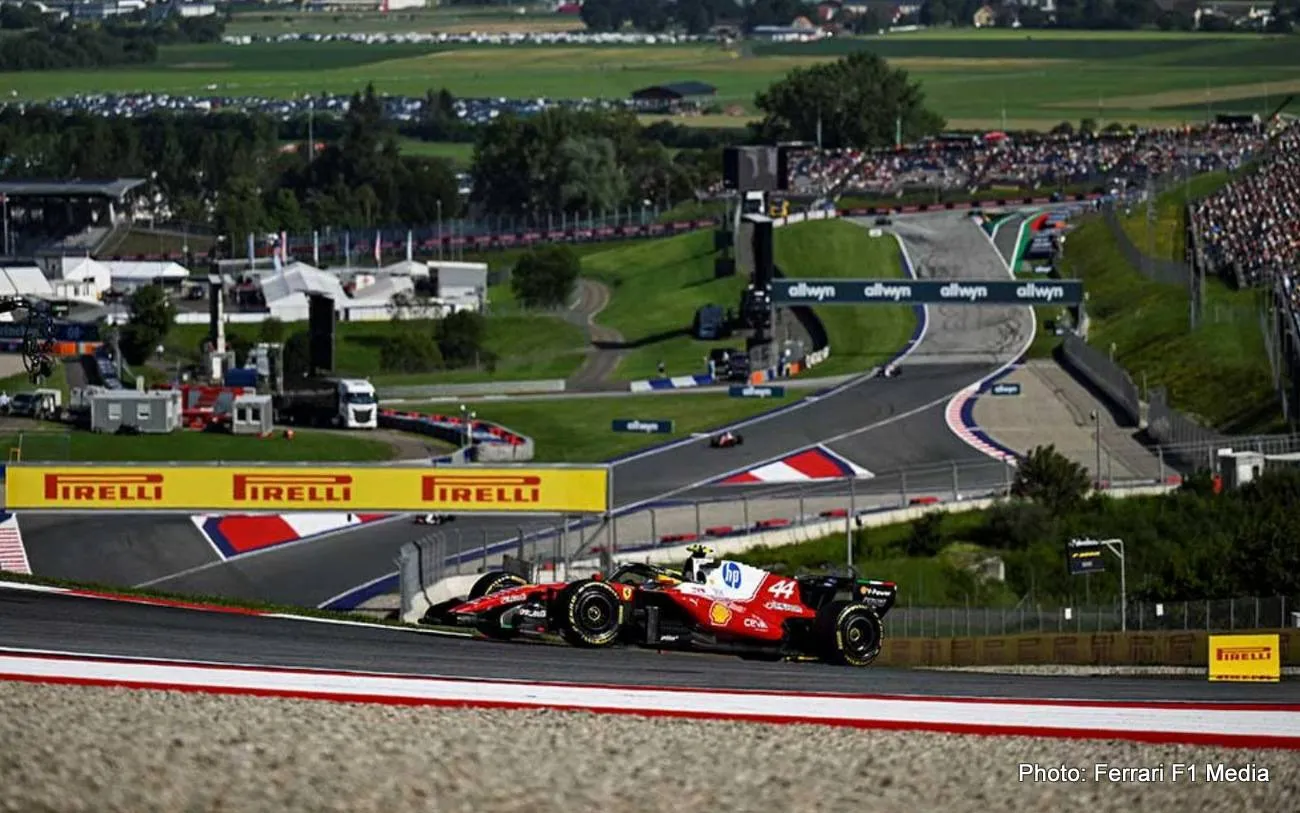
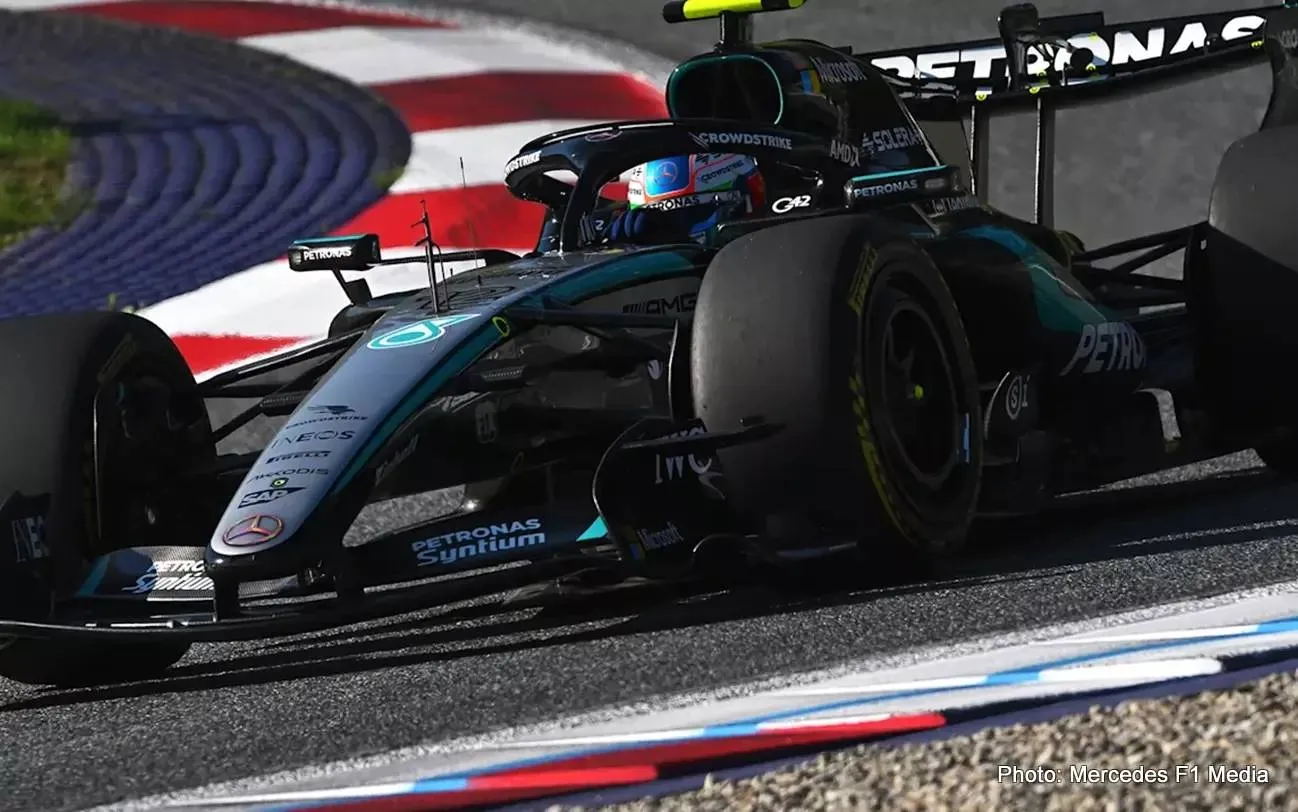
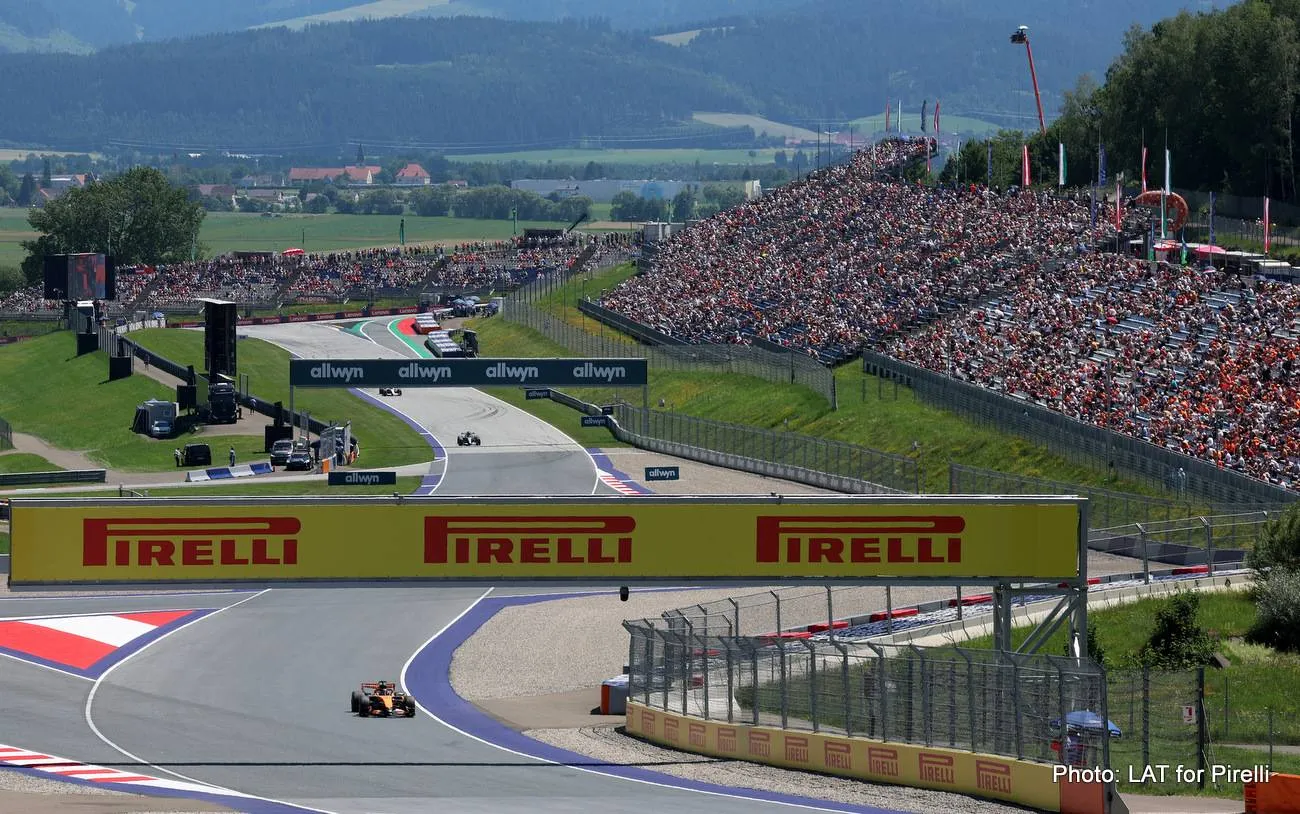
After Friday practice at the Red Bull Ring, no driver has yet exceeded their permitted allocation, although several competitors have already begun rotating through second or third components as teams balance reliability against outright performance during Formula One's first season under the new regulations.
With 17 Grands Prix still remaining after Austria, careful management of power unit mileage is expected to become an increasingly significant factor in the championship battle, particularly during the second half of the season when reliability concerns traditionally intensify.


Latest News


Loading