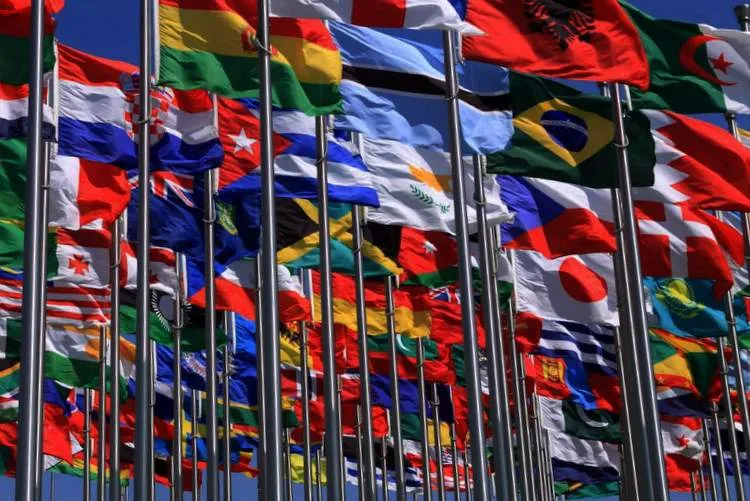
The words we use are more than just tools for communication; they are the very building blocks of our identity.
For those who speak more than one language, this truth becomes deeply personal and profoundly complex. The multilingual experience is not simply a matter of swapping out one set of vocabulary for another, but rather a dynamic process of navigating different cognitive and cultural landscapes.
It's a journey that reveals how language is woven into the fabric of who we are, influencing our thoughts, emotions, and how we interact with the world around us.
This phenomenon is evident in the subtle ways we change our demeanor, humor, and even our perspective when we switch languages. It's a testament to the powerful connection between our linguistic abilities and our sense of self.
The global community is increasingly multilingual, and platforms that serve this diverse audience must also reflect this reality. A good example is a site like BruceBet, which understands the importance of providing a user-friendly environment that caters to a variety of linguistic preferences.
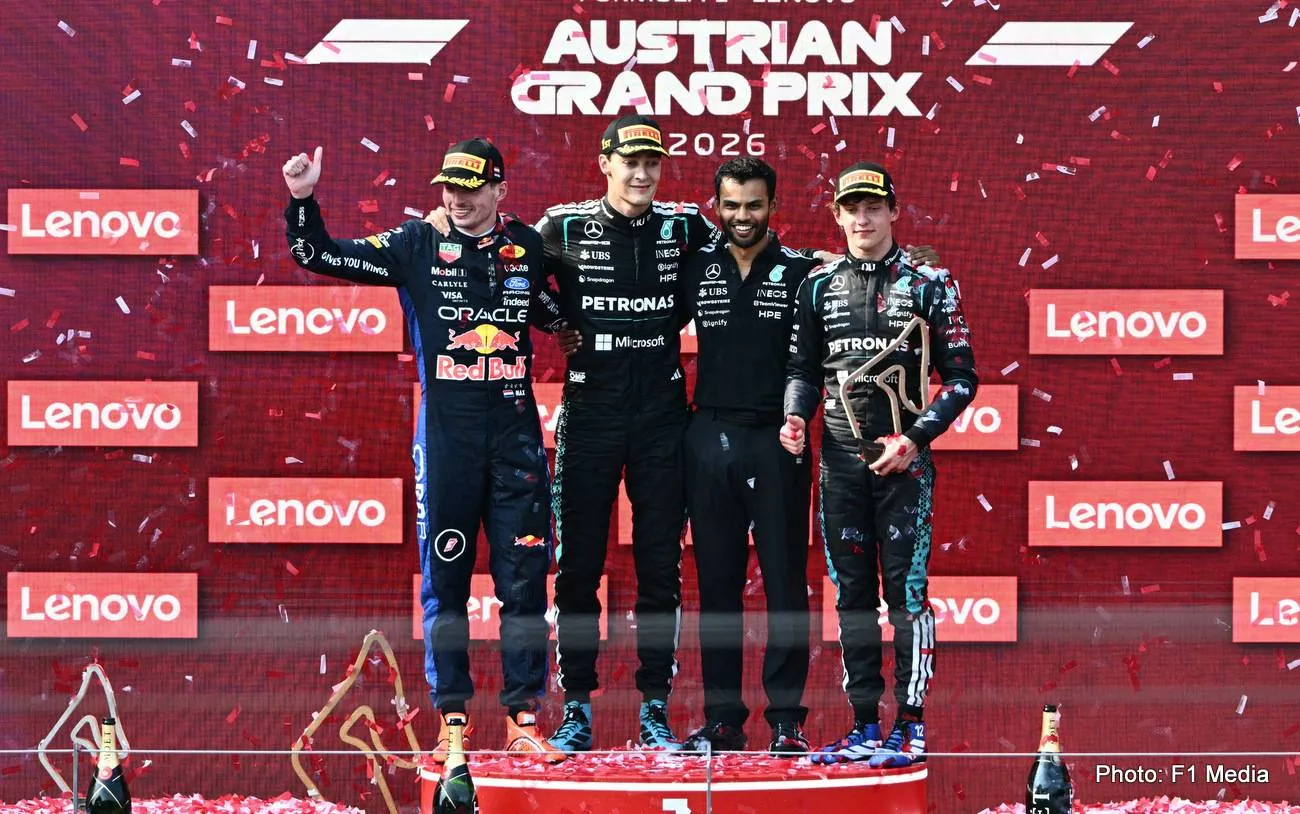
It's a small but significant detail that showcases a broader trend of acknowledging and accommodating the multilingual nature of modern society. The Formula 1 paddock is arguably the most multi-national sport in the world, where multiple languages will serve anoyone very well.
The 'Language Switch' and Cognitive Flexibility
One of the most fascinating aspects of being multilingual is the cognitive process known as code-switching. This is the act of effortlessly shifting between languages, sometimes mid-sentence. While it might seem like a simple linguistic trick, researchers have found that this constant practice of managing two or more language systems has a powerful effect on the brain.
The brain of a multilingual individual is constantly working to suppress one language while activating another, a process that significantly enhances cognitive flexibility.
This enhanced flexibility translates into tangible real-world benefits. Studies have shown that multilingual individuals often exhibit superior problem-solving skills, are better at multitasking, and can more easily adapt to new situations.
This is because the brain is accustomed to sifting through different sets of information and making quick, efficient decisions. The "language switch" is, in effect, a mental workout that strengthens the brain’s executive functions.
How Multilingualism Boosts Brainpower
The cognitive advantages of speaking multiple languages are well-documented and provide a compelling argument for language learning at any age.
- Enhanced problem-solving: The ability to view a problem from different linguistic perspectives can lead to more creative and effective solutions.
- Improved multitasking: Consistently managing two or more languages trains the brain to handle multiple tasks simultaneously with greater ease.
- Delayed cognitive decline: Research suggests that multilingualism can act as a protective factor against age-related cognitive decline and diseases like dementia.
These benefits demonstrate that the multilingual mind is not just a repository of different vocabularies, but a more agile and adaptable cognitive engine. The more languages you master, the more you are strengthening your mind in profound ways.
The Emotional Nuances of Different Tongues
Have you ever noticed that you feel like a different person when you speak a different language? This is a widely shared experience among multilingual individuals. Our emotional lives are deeply intertwined with our mother tongue, but new languages can unlock new ways of feeling and expressing ourselves.
For many, a second language can feel more detached, making it easier to discuss sensitive topics or make more rational decisions, while the native language is where they feel most vulnerable and authentic.
The emotional weight of a word is often tied to the language in which it was first learned. A word like "love" might carry a different emotional resonance than "amour" or "liebe," even if the literal translation is the same. This is because each word is connected to a unique set of life experiences, memories, and cultural contexts.
Language and Emotional Expression
The relationship between language and emotion is not just theoretical; it's a lived reality for those who navigate different linguistic worlds.
- A new emotional vocabulary: Learning a new language can introduce new words for emotions or concepts that simply don't exist in your native tongue, expanding your emotional palette.
- Emotional distance: For some, speaking a second language can provide a layer of emotional distance, making it easier to discuss traumatic events or confrontational issues.
- Authenticity and identity: Many multilingual people feel that their "true self" is expressed most authentically in their native language, even while feeling a sense of empowerment or confidence in another.
This duality of experience highlights how languages are not just about communicating information, but about constructing our emotional reality. The languages we speak are, in a very real sense, a part of our emotional DNA.
A Shared Journey of Discovery
The journey of a multilingual person is a continuous process of discovery—a constant negotiation between different identities, cognitive frameworks, and emotional landscapes. It is a powerful reminder that our minds are incredibly adaptable and that our sense of self is not a fixed point, but a fluid, ever-evolving landscape.
The languages we speak don't just shape our thoughts; they also connect us to different cultures and ways of seeing the world, opening doors to new perspectives and deeper understanding.
The experience of being multilingual offers a unique lens through which to view the world and an opportunity to appreciate the rich tapestry of human communication. It's a testament to the power of human connection and the remarkable capacity of the brain. If you have the chance to learn a new language, embrace the challenge—you might be surprised by the new layers of yourself you uncover.
Latest News







Loading