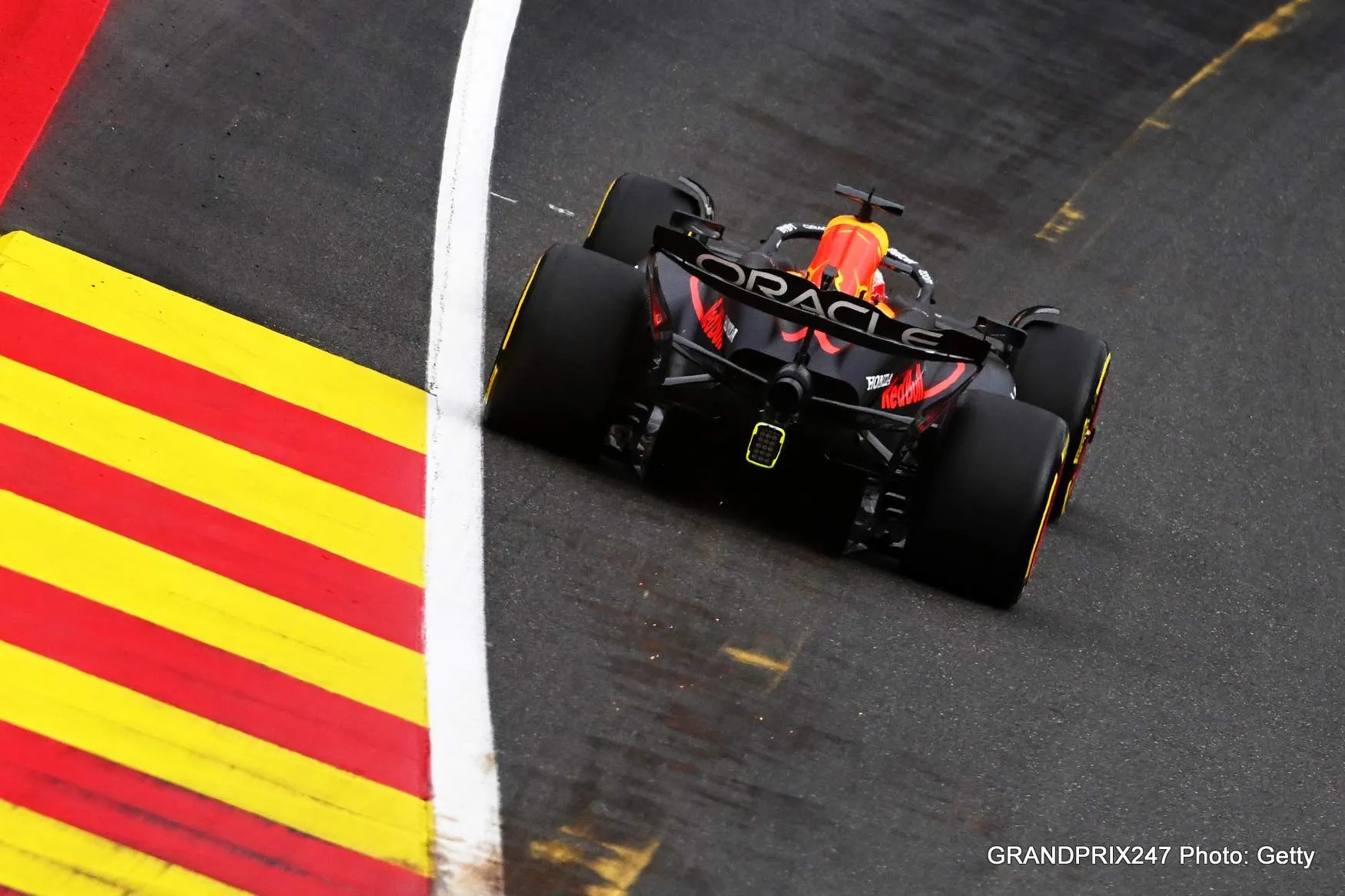
Christian Horner revealed Red Bull Racing's 2025 Formula 1 challenger will be an evolution of their current car, the RB20.
After Red Bull utterly dominated the 2023 F1 season with their formidable RB19 and won 21 out of 22 races, the RB20 was a radical evolution as the team looked to maintain their dominance.
The RB20 started the 2024 F1 season as the car to beat, with Max Verstappen taking seven wins in the first ten races, but a combination of a failed upgrade at Imola and a ban on Red Bull's magic brake meant the RB20 lost performance as McLaren vastly improved their MCL38, with Lando Norris now chasing Verstappen in the drivers' championship, with the Dutchman still leading by 52 points with six races remaining, three of which have a sprint format.
Red Bull have apparently started finding their way with the RB20, as their races in Baku and Singapore were slightly better, with a significant upgrade planned for the US Grand Prix in Austin next weekend.
And while Red Bull are working hard to help Verstappen defend his title, they have to think about planning resources for 2025, not to mention the impending 2026 regulation change with new cars and power units planned.
Asked how Red Bull are managing the situation, Horner said, quoted by Motorsport.com: "In this business, you're always juggling, and you've got to put one foot in front of the other.
"You can't project too far into the future. Long term in F1 is about two and a half months, and, basically, what we learn this year is relevant to next year.
"So next year's car will be an evolution of this year's car," the Briton declared. "I mean, there's many components of last year's car that have been carried over into this year, because with the way the cost cap works, unless there's a significant performance upgrade, it doesn't make sense [to change]."
A short-term pain followed by a long-term gain

Red Bull will become an F1 power unit manufacturer in 2026, a major challenge undertaken by the Milton Keynes squad after founding Red Bull Powertrains division and joining forces with Ford.
Commenting on Red Bull's developing power unit project, Horner said: "It is by far our biggest challenge.
"We’ve created a start-up business, aggressively recruited 600 people into it, built a factory, put in the process, and brought a group of people together to work within a Red Bull culture that has been so successful on the chassis side.
"Of course, many have come from other teams, competitors, and suppliers in F1, and that's a massive undertaking to get 600 people and all your processes, your supply chain, everything geared up to deliver for two teams in ’26.
"We also have the benefit of a great partner in Ford Motor Company, and that relationship is working very well. But inevitably there will be short-term pain, but there is a long-term gain of having everything under one roof with engineers.
"We've already seen the benefit and the difference of having chassis and engine engineers sitting essentially next to each other as we start to integrate the ‘26 engine into the ‘26 car," Horner concluded.
While Verstappen can still clinch his fourth consecutive F1 title this year, Red Bull will probably have to settle for second in the constructors' championship as they are now second, 41 points behind McLaren.
Latest News

Loading