| Formula Legend Strategy Report – Bahrian Grand Prix 2015 | ||||||||||||||||||||||||||||||||||||||||||||||||||||||||||||||||||||||||||||||||||||||||||||||||||||||||||||||||||||||||||||||||||||||||||||||||||||||||||||||||||||||||||||||||||||||||||||||||||||||||||||||||||||||||||||||||||||||||||||||||||||||||||||||||||||||||||||||||||||||||||||||||||||||||||||||||||||||||||||||||||||||||||||||||||||||||||||||||||||||||||
| Round 4 – 57 Laps – 5.412km per lap – 308.405km race distance – high tyre wear | ||||||||||||||||||||||||||||||||||||||||||||||||||||||||||||||||||||||||||||||||||||||||||||||||||||||||||||||||||||||||||||||||||||||||||||||||||||||||||||||||||||||||||||||||||||||||||||||||||||||||||||||||||||||||||||||||||||||||||||||||||||||||||||||||||||||||||||||||||||||||||||||||||||||||||||||||||||||||||||||||||||||||||||||||||||||||||||||||||||||||||
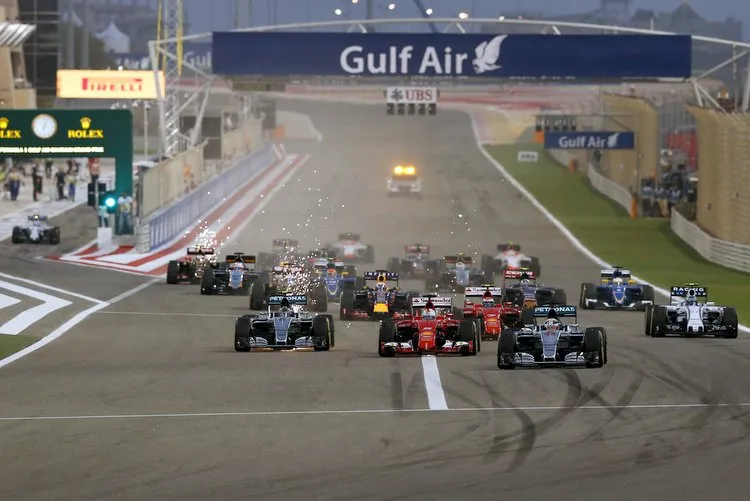
| For many, the Bahrain Grand Prix was a two-stop race, despite an abrasive track surface and warm temperatures. It was the second time the event had been held at night under floodlights, creating a stunning spectacle.Some tried a three-stopper, which at times mixed up the field and provided us with some fantastic battles. The fight at the front was close, with Lewis Hamilton eventually eking out a comfortable advantage to win from a charging Kimi Raikkonen and Nico Rosberg, despite both Mercedes drivers suffering brake trouble.In the latest instalment of the Formula Legend Strategy Report, we look at some of the stand-out strategy choices that were made during the Bahrain Grand Prix.Starting line-upOnly 18 cars lined up on the grid for the race. Jenson Button failed to start after another electrical issue, while Felipe Massa stalled on the formation lap and had to start from the pit lane. All cars left the grid on the soft tyre, apart from Pastor Maldonado who went for an alternative first stint on the medium compound.
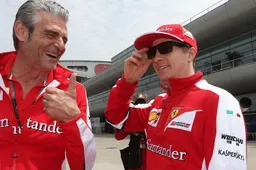
Kimi vs the Mercs Once Sebastian Vettel ruined his race by going off track and damaging his front wing, attention turned to Raikkonen and the alternative strategy Ferrari put him on. The Finn started the race on the soft Pirelli compound but completed a long first stint, switching to the medium tyre at his first stop on lap 17 when his rivals remained on the options. It didn’t look to have paid off, as he emerged from his stop some way behind the top three. However, his pace on the medium compound – the ‘slower’ tyre – was impressive and he was able to not only match but also close in on Hamilton, Rosberg and Vettel. It looked like Ferrari had possibly kept him out too long before his second and final stop, but it worked out perfectly. He was one of the last drivers to stop in the race, pitting for the soft tyre on the 40th tour of the Bahrain International Circuit. With low fuel and the quicker tyre, when his rivals were on worn mediums, he quickly closed in on Rosberg by around two seconds per lap (although it was sometimes more). Better pace in the final laps meant Hamilton managed to avoid the threat to take the win, but brake trouble and Raikkonen’s stunning pace helped him move ahead of Rosberg and into second. Despite the Mercedes driver thinking he could have stayed ahead had he not suffered reliability woes, it looks likely that Raikkonen would have got through over the course of the final two laps.
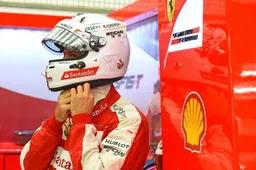
Where would Vettel have been? Vettel mucked up his race when he went off track at the final corner while battling Rosberg after his second stop, having just successfully undercut his rival. The wild moment damaged his front wing and he opted to pit immediately, dropping him to fifth behind Valtteri Bottas. They switched to a three-stop strategy but completed the final stint on the mediums. The soft tyre could have worked better, but he pitted four laps before Raikkonen and that would have pushed the option compound to the limit. He struggled to pass Bottas and had to settle for fifth, after a slightly messy race from the four-time world champion. It is likely that he would have finished fourth had he pitted just twice, as Raikkonen’s pace in the final stint was just too good. Three vs two stops A three-stop strategy was predicted to be the fastest by Pirelli but involved more traffic. The top four went for two stops but behind, a number of drivers stopped three times – including Marcus Ericsson, Maldonado, Nico Hulkenberg and Felipe Nasr. However, it didn’t pay off and only Maldonado made up positions (one place from his place on the grid). Hulkenberg was the biggest loser, falling five positions and finishing 14th. The Sauber duo finished 12th and 14th. A two-stop proved to be the best option when it came to the actual race, due to the track conditions and medium tyre working better than expected. However, the three-stop strategy was also used by those who suffered damage or issues, like Vettel and Maldonado.
The undercut works! Over the first three races, we saw drivers try the undercut, pitting before their rival and trying to use the fresh tyres to move ahead. Largely, it hadn’t worked, but we saw drivers succeed with the undercut on several occasions during the Bahrain Grand Prix. Ferrari and Vettel were the most successful. The German moved ahead of Rosberg at both his first and second stops, before eventually being overtaken. Both drivers almost caught Hamilton after the opening pit stop phase, having used the fresh tyres to cut the Englishman’s comfortable advantage. Pirelli Strategy Infographics (click for detail)
|
| |||||||||||||||||||||||||||||||||||||||||||||||||||||||||||||||||||||||||||||||||||||||||||||||||||||||||||||||||||||||||||||||||||||||||||||||||||||||||||||||||||||||||||||||||||||||||||||||||||||||||||||||||||||||||||||||||||||||||||||||||||||||||||||||||||||||||||||||||||||||||||||||||||||||||||||||||||||||||||||||||||||||||||||||||||||||||||||||||||||||||


 Safety Car
 3. Ricciardo
 5. Vettel
 6. Rosberg
 8. Grosjean
 9. Ericsson
 11. Perez
 14. Alonso
 19. Massa
 28. Stevens
 33. Verstappen
Latest News


Loading