2026 Formula 1 season turned out to be a year of adaptation for teams and their drivers
F1 NewsTuesday, 30 June 2026 at 03:27
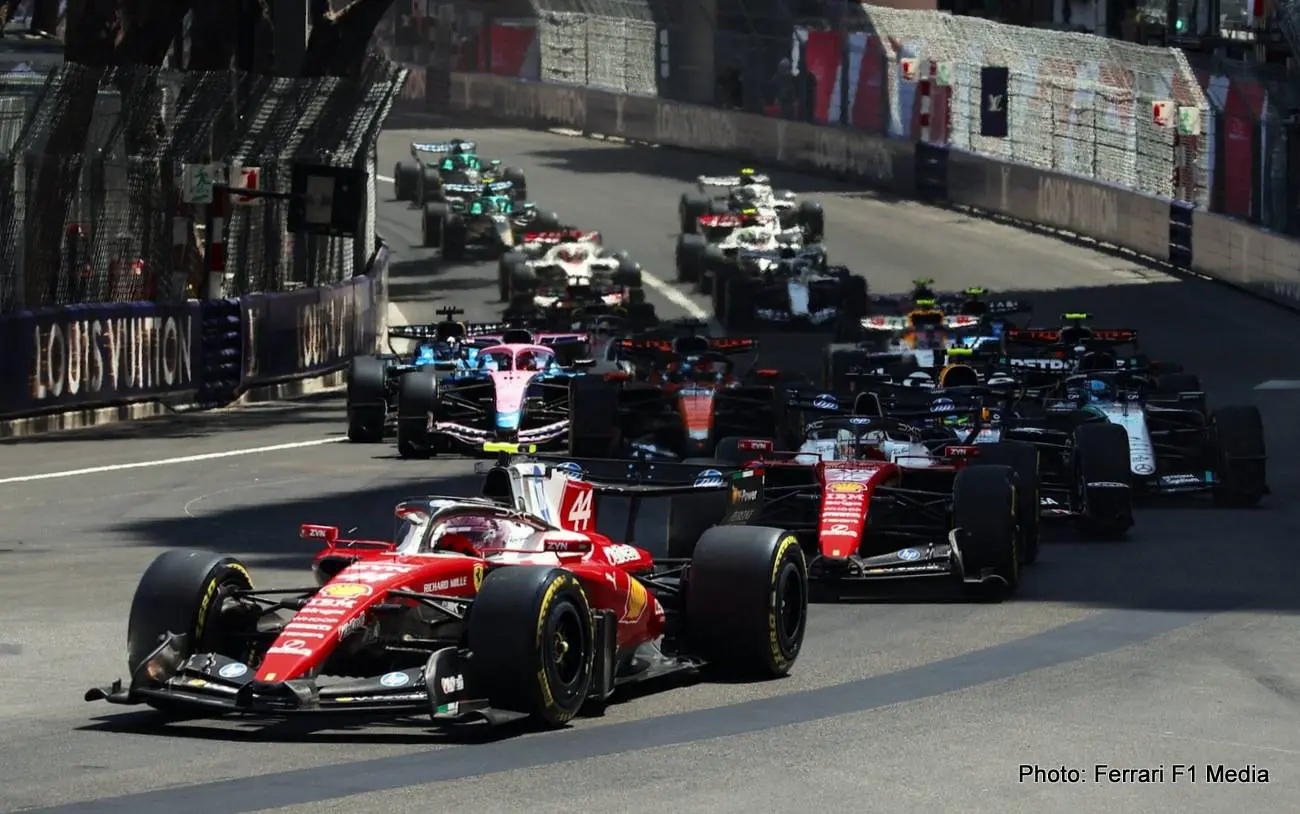
With sweeping new Formula 1 technical regulations, revised power unit concepts, and teams forced to rethink their design philosophies, many predicted a transitional 2026 campaign.
Instead, the championship has quickly become one of the most fascinating contests of the modern era.
The top four Formula 1 teams have emerged as genuine contenders, established stars are facing new challenges, and the midfield battle remains as intense as ever. As the season approaches its midpoint, Formula 1 finds itself in an enviable position: almost every Grand Prix feels significant.
The New Regulations Have Changed the Competitive Landscape
The biggest talking point entering 2026 was undoubtedly the arrival of Formula 1’s new technical regulations. The combination of revised aerodynamic rules and updated hybrid power units created opportunities for teams that had previously struggled to close the gap to the front.
Rather than producing a predictable hierarchy, the new regulations have reshuffled the competitive order. Some traditional frontrunners adapted quickly, while others have spent the opening months searching for performance and consistency.
Engine efficiency has become a decisive factor. Teams capable of maximizing energy deployment while maintaining tire life have often enjoyed a significant advantage during race weekends. The result has been a grid where small margins can produce dramatic swings in performance from one circuit to another.
This uncertainty has added a layer of intrigue that Formula 1 fans have been craving. Race weekends are no longer decided solely by qualifying pace; strategy, reliability, and adaptability have become equally important.
Drivers Are Making the Difference More Than Ever
While engineers continue to refine their packages, the drivers have played a particularly important role in shaping the championship battle.
Several experienced competitors have demonstrated why they remain among the sport's elite, extracting maximum performance even when their cars have not been the fastest on the grid. At the same time, a new generation of talent has shown remarkable maturity under pressure.
The tighter performance window between teams means that mistakes are often punished immediately. A small lock-up, an imperfect pit stop entry, or a poor tire management decision can cost multiple positions.
Interestingly, Formula 1's growing global audience has created additional commercial opportunities around the sport. Digital platforms covering motorsport increasingly explore affiliate business models similar to those used in other industries. For example, some marketing specialists evaluate tools such as the MelBet affiliate APK when studying how mobile acquisition strategies and user engagement systems function across international markets.
As competition intensifies, the psychological aspect of racing becomes even more important. Drivers are not only battling rivals on track but also managing immense pressure from teams, sponsors, and fans worldwide.
Strategy Battles Are Deciding Grand Prix Results
One of the most enjoyable aspects of the 2026 season has been the resurgence of strategic diversity.
In previous years, many races followed predictable patterns. This season, however, teams frequently arrive at different conclusions regarding tire usage, fuel management, and pit-stop timing.
Certain circuits have favored aggressive two-stop strategies, while others rewarded teams willing to extend tire stints and prioritize track position. Safety cars and changing weather conditions have further complicated decision-making.
The importance of race strategy extends beyond Formula 1 itself. Across the broader sports and entertainment ecosystem, businesses increasingly analyze performance data to improve decision-making processes. Industry observers often study platforms available through resources such as https://melbetaffiliates.com/ to better understand how data-driven marketing and performance measurement operate in highly competitive digital environments.
Back on the circuit, strategic flexibility has become a defining characteristic of successful teams. The organizations that can quickly react to evolving race conditions have consistently outperformed rivals that rely on rigid plans.
Midfield Competition Remains a Major Attraction
While the battle for victories naturally attracts the most attention, the midfield remains one of Formula 1's greatest strengths.
Several teams have demonstrated the ability to score significant points depending on track characteristics. Differences between fifth and twelfth place in qualifying are often measured in mere tenths of a second.
This competitiveness has produced compelling storylines throughout the season. Young drivers are fighting to establish themselves, veteran racers are seeking contract extensions, and team principals are under constant pressure to deliver results.
The financial rewards associated with championship positions remain substantial, meaning every point matters. Consequently, midfield battles often feature some of the most aggressive and entertaining racing seen during a Grand Prix weekend.
Fans have responded positively to this environment. Even when the race lead appears secure, there are usually multiple contests unfolding throughout the field.
What to Expect During the Second Half of the Season
As the championship enters its decisive phase, development speed will become increasingly important.
Teams face a difficult balancing act. They must continue improving their current cars while simultaneously allocating resources toward future projects. Organizations that manage this transition effectively could gain a critical advantage in both the constructors' and drivers' standings.
Reliability may also emerge as a decisive factor. The new generation of power units has generally performed well, but a handful of technical failures have already influenced important results. In a tightly contested championship, even a single retirement could prove costly.
The remaining calendar includes a variety of circuit types, ensuring that no team can feel comfortable. High-speed venues, street circuits, and technical layouts will all test different strengths and weaknesses.
If the opening portion of the season is any indication, Formula 1 fans can expect more unpredictability, closer racing, and intense championship battles in the months ahead. The 2026 campaign is proving that regulatory change does not necessarily create dominance by one team; it can also produce the kind of competitive balance that keeps the entire paddock guessing until the very end.
Latest News

Loading