2026 Formula 1 cars showing promising pace compared to previous generation
F1 NewsThursday, 12 February 2026 at 10:33
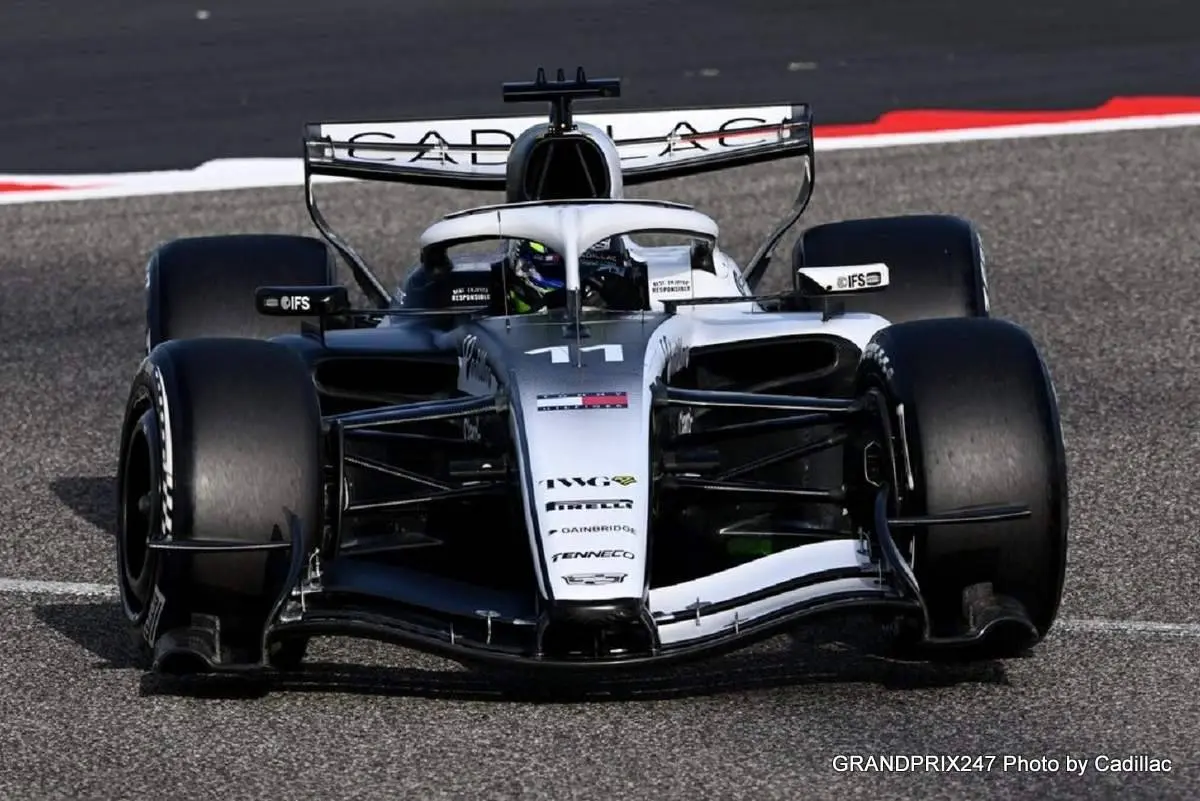
While questions were raised about the speed of the new 2026 Formula 1 cars when the regulations were first published, early signs show there is nothing to worry about.
The new cars will have new power units that deliver power on an equal basis between the internal combustion engine and the electric component with the risk of batteries running out of juice at the ends of long straights, which will require a tactical approach from the drivers.
They also have new chassis with ground effect no longer the generator of downforce, which is reduced based on statements from various drivers.
Keeping in mind the regulations are still new with the potential of development being huge and also considering testing times are not reliable at this point, there is some optimism that the 2026 F1 cars will be far off their predecessors in terms of pace.
New cars better than expected

With the private Barcelona shakedown behind us and now on the second day of the first preseason test in Bahrain, the lap times some cars are showing have moved experts to play down any concerns about being slow with the gap to Formula 2 being smaller.
FIA's single-seater tech boss, Jan Monchaux, commented: "It's too early to say, but the teams have a lot of [data collection] tools on the cars [in preseason].
“They are not running at the weight they could reach. We don't know how much fuel they are using, but the general feeling is that the cars are where we expected them to be, maybe even better than our predictions.”
Managing the battery power through the several modes on the new cars, as well as dealing with the active aero, will be crucial and will also have a different effect on lap times based on the track layout.
Monchaux explained: "It will depend a lot on the track. But on some tracks at the beginning of the season, the cars will be on a similar race pace to what they had in 2025. On others, they may be a few seconds behind; it will vary. But the teams are already preparing updates.
"So I have no doubt that in a few months, the teams will have already made up that margin compared to 2025," the FIA engineer concluded.
Pirelli concur

On the other hand, Pirelli's motorsport boss Mario Isola echoed the positivity of Monchaux regarding the new cars' performance.
He said: "Someone said that the 2026 F1 cars will be much slower; they will go slowly. I don't think they will go slowly. We saw it in Barcelona; they were about two and a half seconds slower than they were last year in the race, so we're not that far off.
"Consider that no one pushed in Barcelona; no one tested the real race performance in Barcelona. Moreover, when there are new regulations, there is an important initial development curve.
“We have received simulations from Bahrain that tell us they won't be far off... In fact, they will be substantially in line with the times we saw last year, and that's quite surprising with such a new car.
"Then, perhaps, in the first test in Bahrain, they won't push to the limit, and we'll see lap times that aren't quite as consistent, but the fact that already in the simulations [the teams] are telling us that performance is in line with last year's means we won't have a slow F1.
“We did a test in cold weather in Spain, with the track not in the best condition, and we were two, three seconds off last year's times," Isola concluded. (Source: Motorsport.com)
Latest News



Loading