F1's New Power Unit Rules Explained: Why 2026 Turned the Grid Upside Down
F1 Teams NewsFriday, 17 July 2026 at 04:11
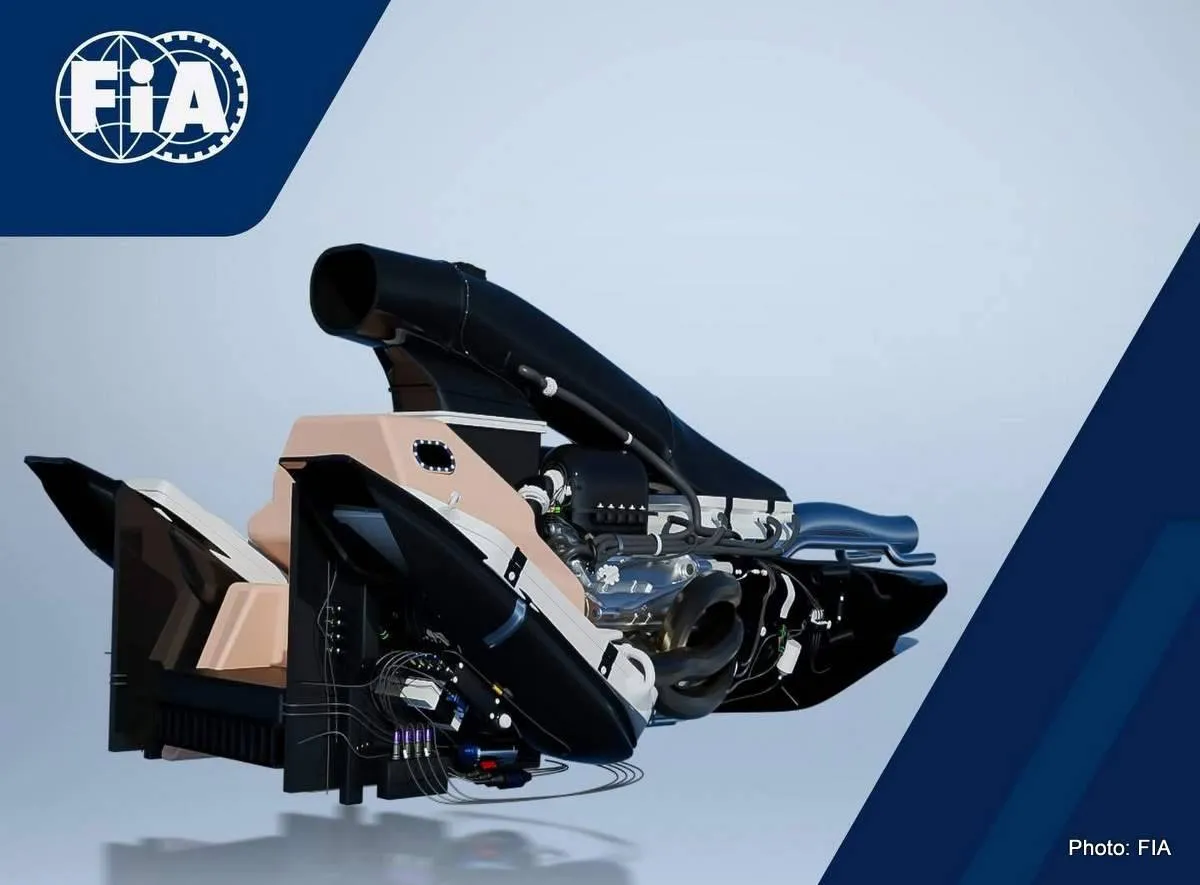
Formula 1 promised a technical revolution for 2026. Ten races in, it's delivered exactly that. But what has actually changed and how will it imapct racing?
The power
unit rules that kicked in this year are the biggest engine shake-up since the
hybrid era began in 2014. They go a long way toward explaining why the
competitive order looks so different from the last decade.
What Actually Changed
The core
layout is familiar: a 1.6-litre turbocharged V6, paired with hybrid energy
recovery. Almost everything around that basic setup, though, has been rebuilt.
The MGU-H is
gone. This was the
unit that harvested energy from exhaust gases and turbo heat.
It was one of
the most complex — and expensive — parts of the old engine. Manufacturers loved
its efficiency gains, but it was also notoriously hard for outside teams and
fans to follow, and it tied turbo response to electrical deployment in ways
that caused lag.
The MGU-K has
taken over instead. This is
the unit that recovers braking energy, and its role has grown sharply:
●
MGU-K
output: up from 120 kW to 350 kW (roughly tripled)
●
Internal
combustion engine output: down from about 630 kW to 400 kW
In short,
electrical deployment now plays a far bigger role in straight-line speed than
it used to.
Fuel has
changed too. Cars now run
on fully sustainable fuel, and fuel flow is measured by energy content instead
of mass.
That sounds
like a small accounting tweak. In practice, it means squeezing maximum
performance out of every unit of energy matters more than ever — raw fuel
quantity isn't the limiting factor it once was.
Why This Shuffled the Grid
On paper,
this reads as a cleaner, more sustainable power unit. In practice, it's been a
stress test.
It's
separated manufacturers by how well they prepared for these rules years in
advance — and 2026 has shown just how uneven that preparation was.
Losing the
MGU-H wipes out a decade of refinement some manufacturers had built into a real
advantage. Those gains disappeared overnight.
Tripling
MGU-K output, meanwhile, made battery strategy, braking energy recovery, and
electrical thermal management central to performance rather than side details.
Nail the battery chemistry and deployment software, and you have a real edge.
Miss it, and you're exposed every lap.
That's a big
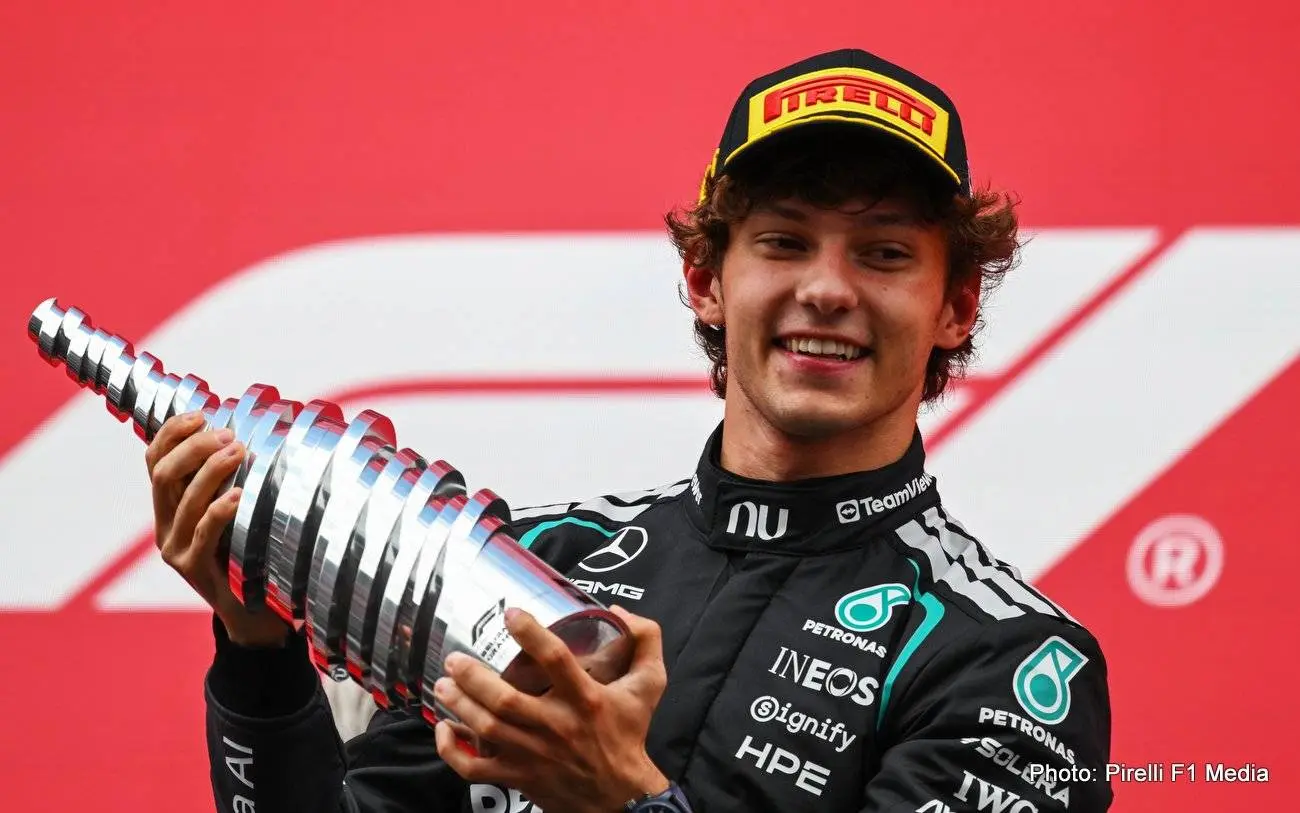
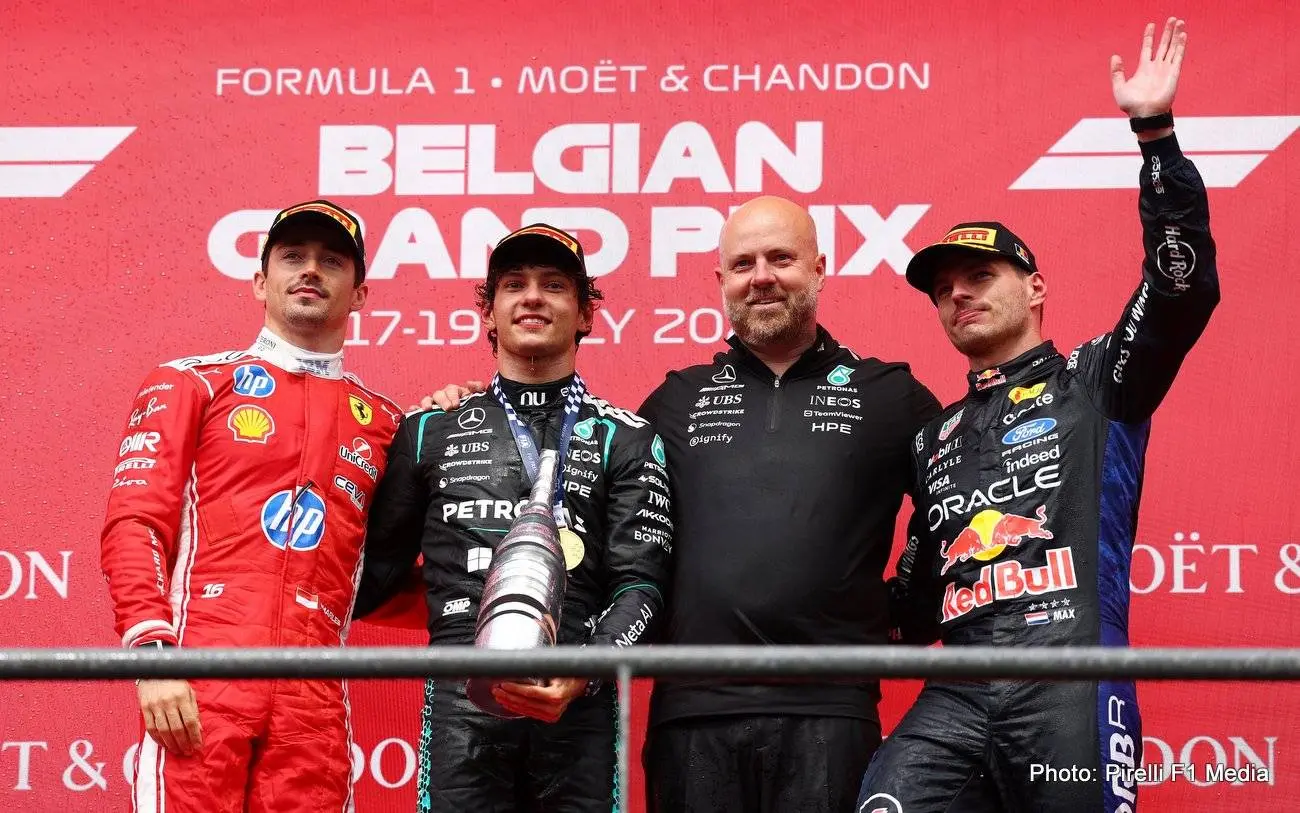
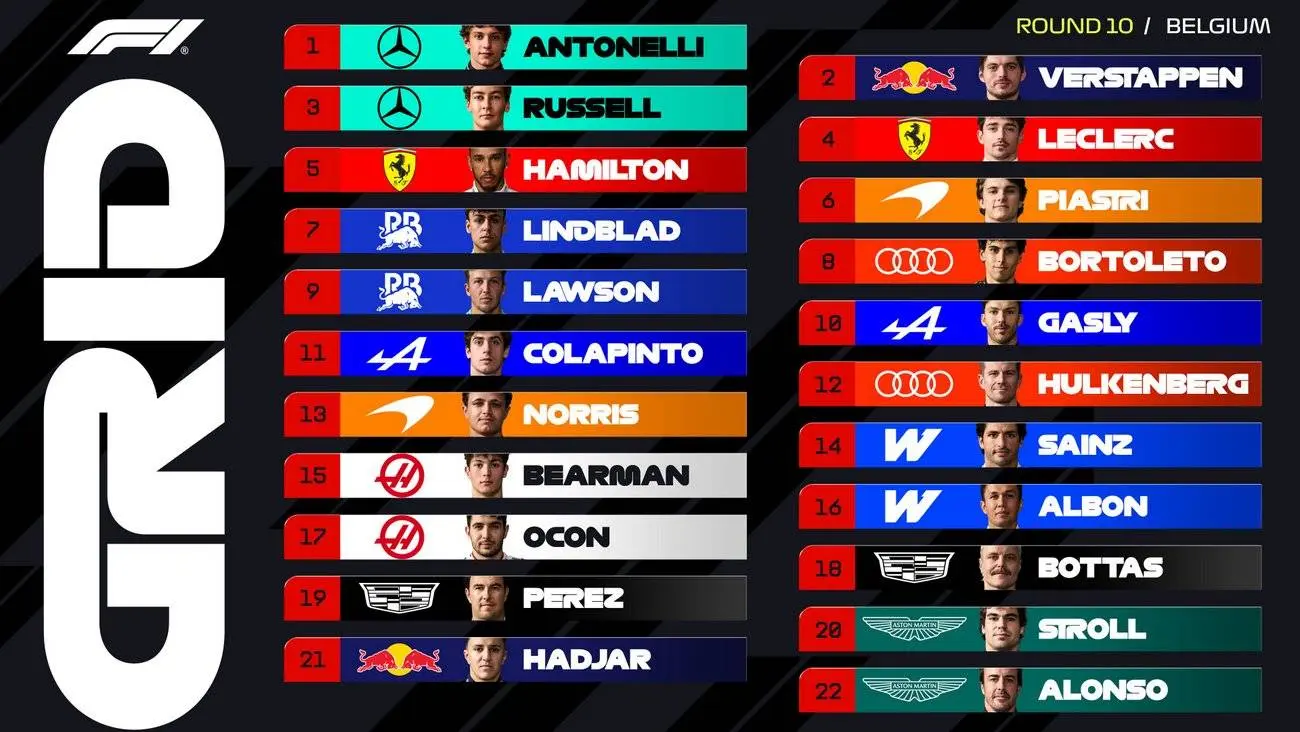
reason Mercedes came into 2026 as favorites, and why Kimi Antonelli has led the
standings for long stretches. Years of hybrid systems expertise translated well
into the new energy-heavy formula.
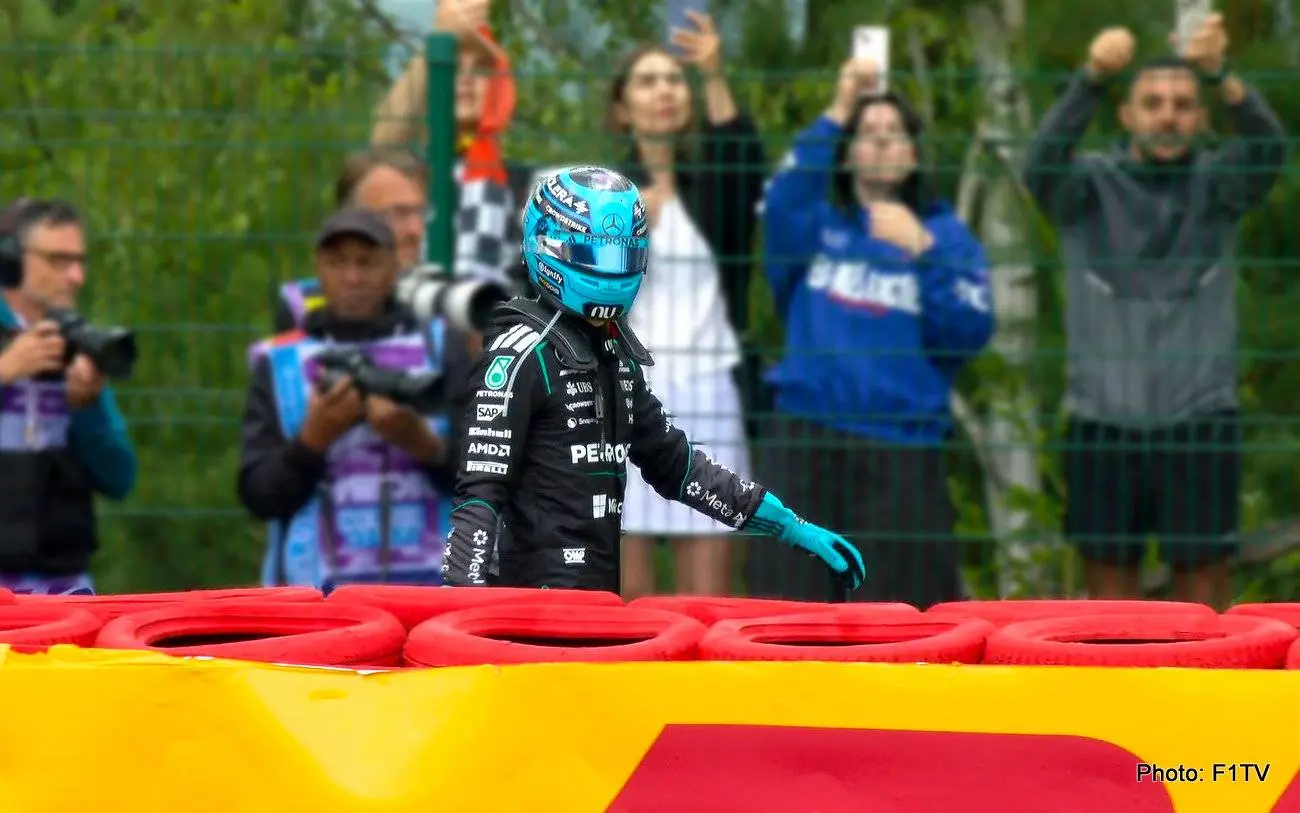
It also
explains a theme that's followed Mercedes all season: strong pace paired with
reliability question marks, as pushing a more electrically-dependent power unit
to its limits has occasionally cost them consistency.
Ferrari tells
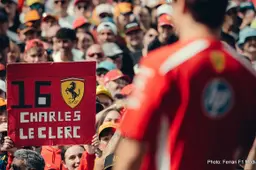
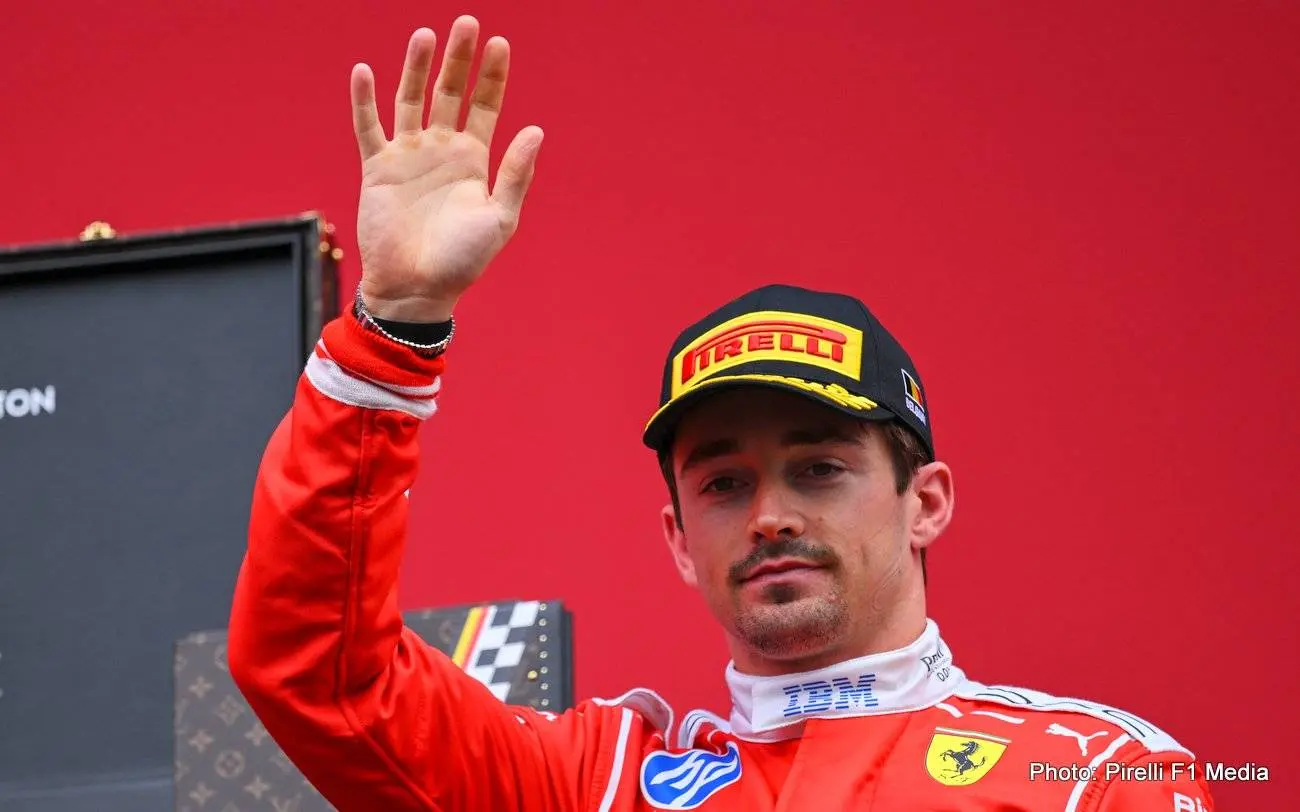
a similar story from a different angle. Charles Leclerc's breakthrough win at
the British GP came after a power unit that needed most of the season to find
its footing — but has shown genuine race-winning pace once everything lines up.
Red Bull's
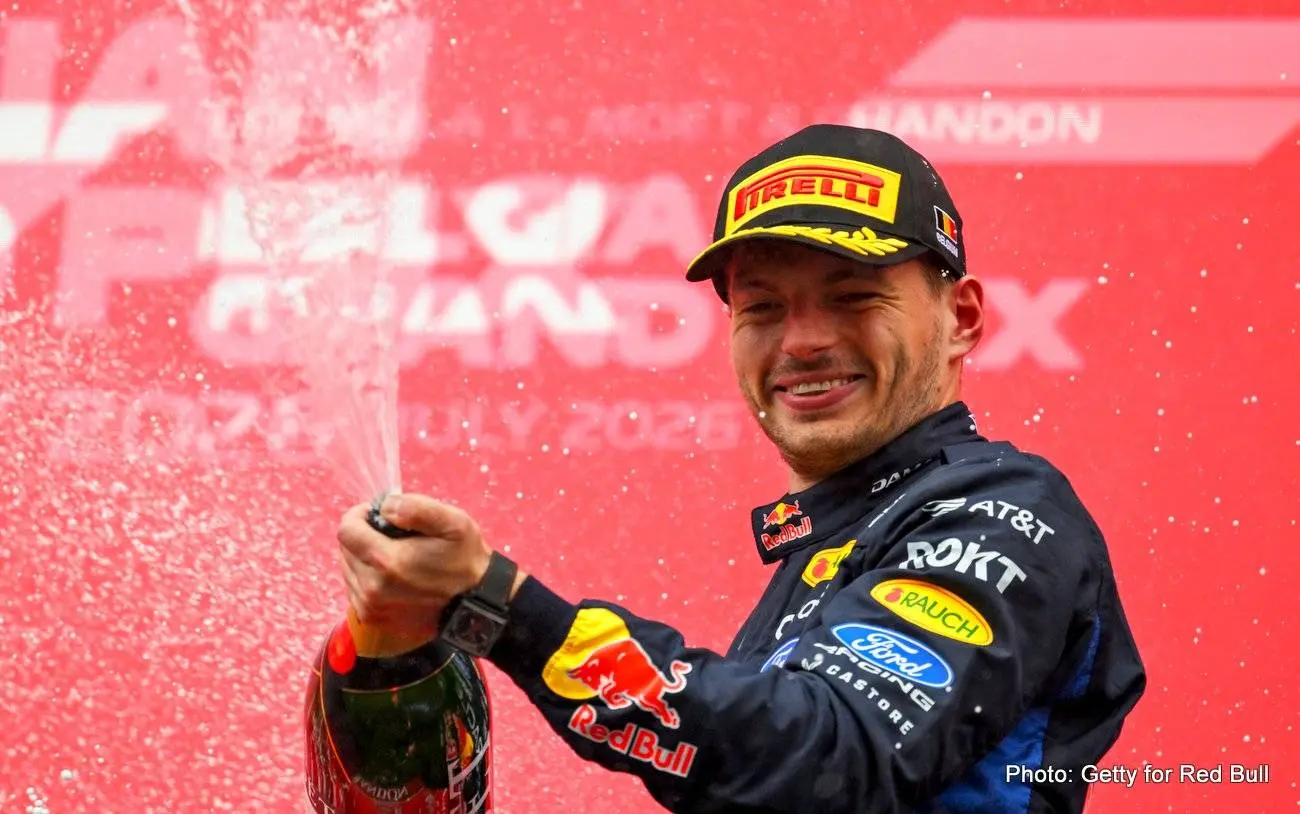
well-documented reliability issues point the same direction. Red Bull Powertrains is a first-time engine manufacturer, working
through this transition without the decades of hybrid experience Mercedes and
Ferrari have behind them.
The New Manufacturers Change the Picture Too
2026 isn't
just about existing manufacturers adapting. It's also the year new entrants
arrived under the same reset rules as everyone else.
Audi joined
the grid this year. General Motors launched its own power unit operation for
the Cadillac project, too.
In one sense,
that's a disadvantage — no head start, no legacy MGU-H expertise to lose. In
another, it's a leveler: every manufacturer, old and new, is working through
the same unknowns around battery management and reduced combustion output at
the same time.
That's part
of why the competitive gaps this season look so different from the settled
hierarchy of recent years.
What to Watch For at Spa and Beyond
These new
power units interact with specific circuits in telling ways.
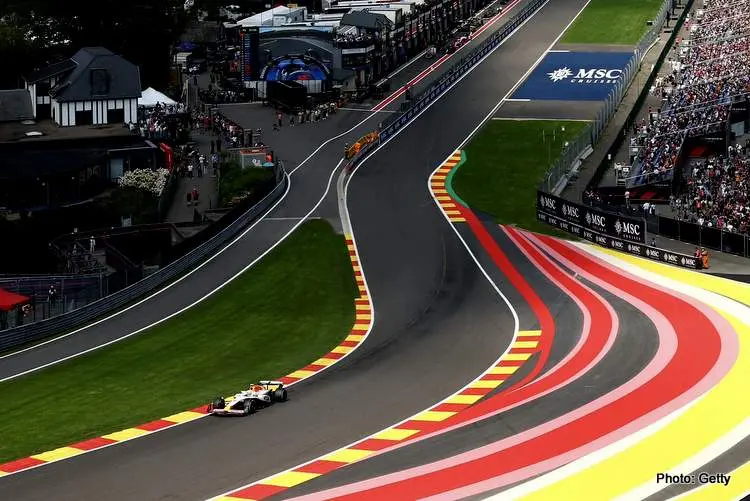
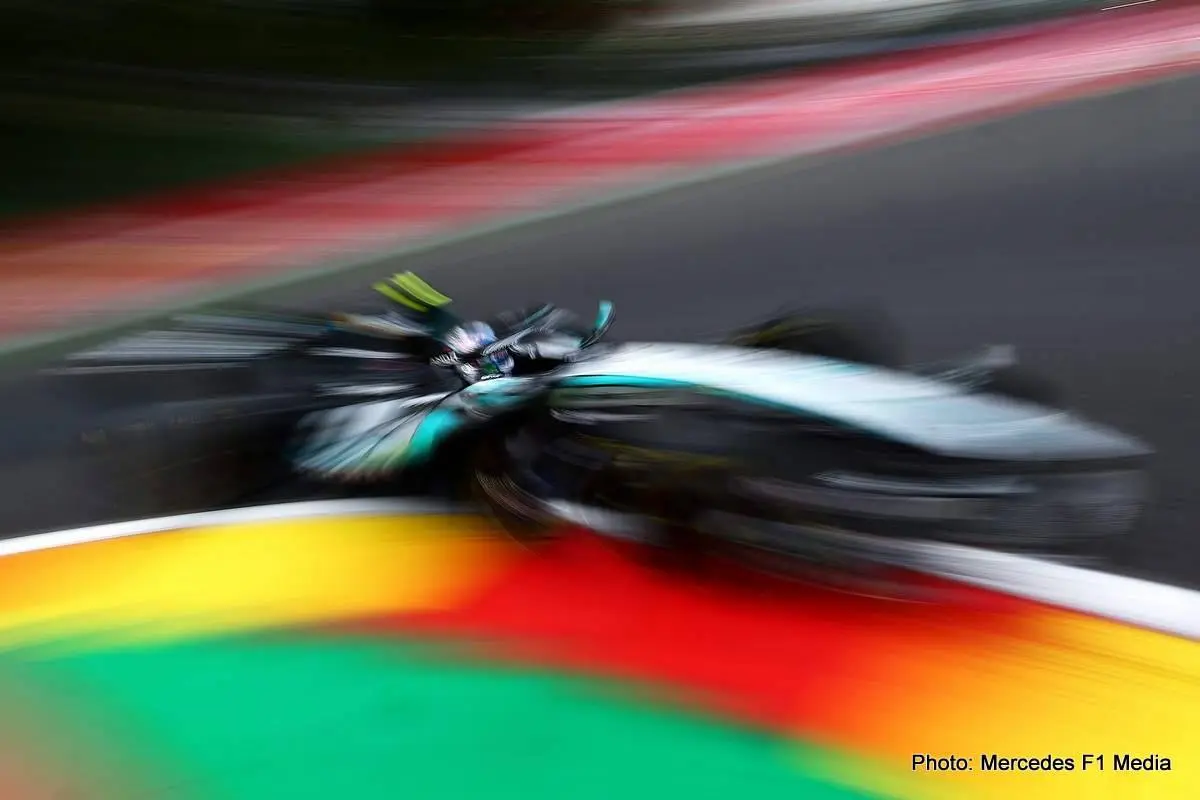
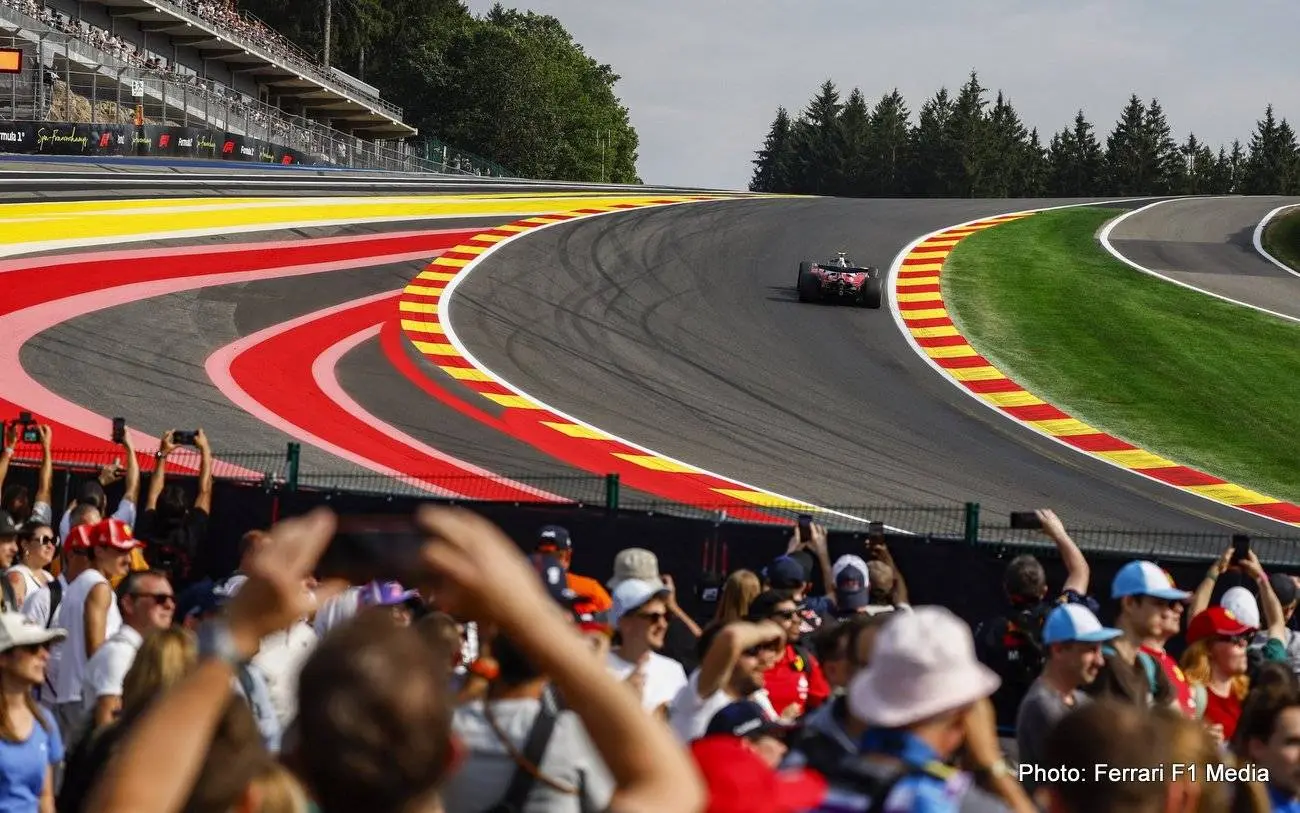
Spa-Francorchamps,
with its long Kemmel straight and heavy braking zones, rewards exactly the kind
of energy recovery and deployment efficiency the 2026 rules prioritize. Expect
the cars best at recovering and redeploying energy under braking — not just those
with the strongest combustion engine — to have the edge through the middle
sector.
As the season
heads into its second half, the pattern from the opening rounds is likely to
hold. Power unit software, energy strategy, and hybrid reliability matter as
much as raw horsepower this year.
Teams that
spent the rule-writing years building battery and thermal management expertise,
rather than exhaust-energy recovery, are setting the pace. The ones still
adapting are producing the season's biggest surprises, for better and worse.
For fans
tracking these swings weekend to weekend, platforms like RajBet
India have made it
straightforward to follow the shifting competitive order, with markets spanning
qualifying pace to full Grand Prix results.
For a sport
built on engine sound and horsepower numbers, 2026 has quietly become the year
Formula 1's competitive order was decided by kilowatts of battery deployment
instead.
Latest News
Loading