Formula 1 and FIA cannot fix the new power unit fiasco, they can only make it more bearable
F1 OpinionThursday, 21 May 2026 at 08:30
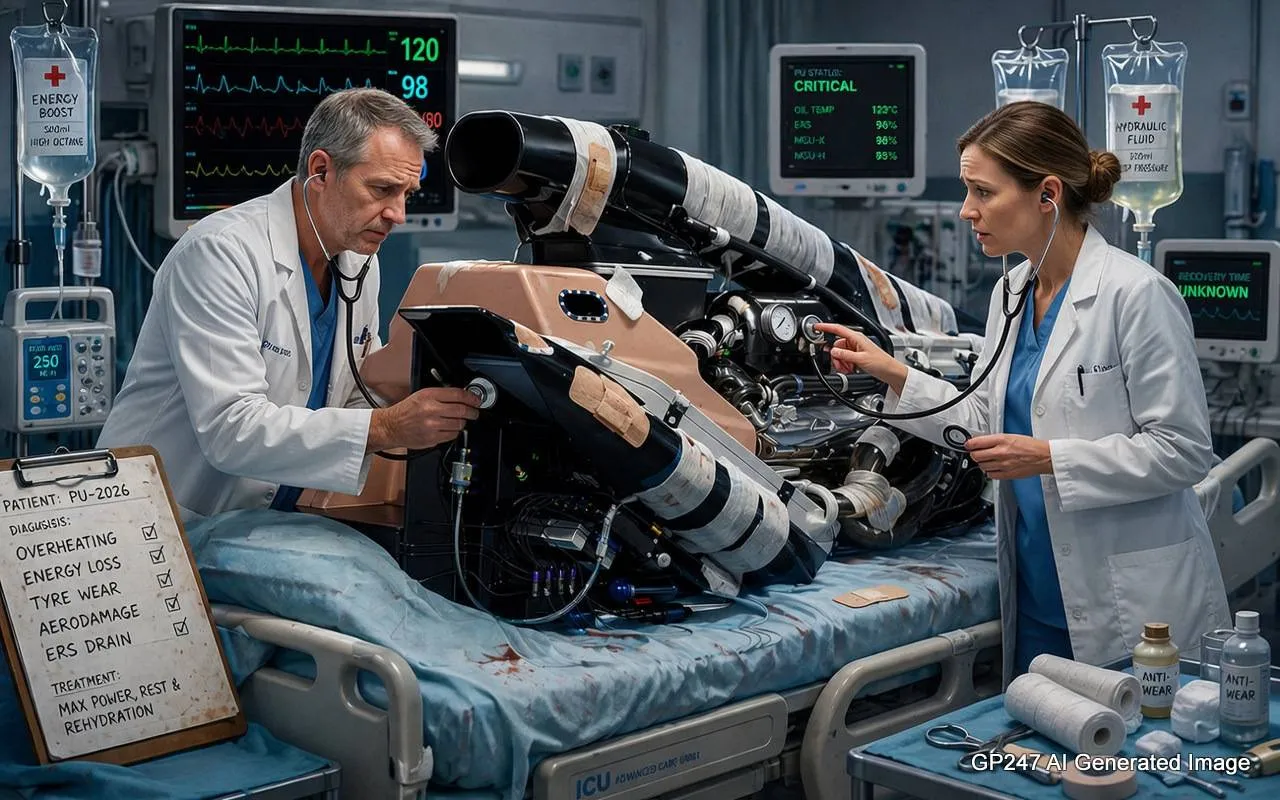
As Formula 1 heads deeper into the 2026 season amid growing criticism of the new hybrid era, Christian Danner believes the sport cannot truly fix the unpopular engine regulations while calling to ditch the electric side of the PUs and go the way of V8s.
The current generation of Formula 1 power units, built around a near 50/50 split between combustion and electric power, has faced mounting scrutiny over excessive energy harvesting, lift-and-coast racing, and fears of drivers running out of electrical deployment on long straights.
Formula 1 and the FIA have already introduced tweaks aimed at softening some of the worst side effects, particularly after concerns emerged during the opening races of the season. But Danner believes the core problem remains fundamentally flawed.
“How can you fix what we’ve got? You can’t fix it. You can make it more bearable,” Former F1 driver turned punditDanner explained. “The FIA and the rest of the lot have done a very good step in the right direction. However, it wasn’t a big enough step.
“It’s good they didn’t create a massive change to the regulations. They did it carefully. But if you read the regulations carefully, the key issue is very complicated. This is for quality, this is for boost, this is for recuperation and energy.”
Danner believes the entire concept has become over-engineered: “Forget all that. The problem is the electric engine has got way too much power. Because it’s got too much power, it needs too much energy.
"The poor thing carrying all the energy around is the combustion engine with fuel. There is no limit on fuel. You can burn as much fuel as you want as long as you stay within the flow meter. That means the distribution is totally wrong," the German added.
The only solution that saves our asses

Throughout the first part of the season, teams and drivers have repeatedly complained about the complexity of energy management under the current regulations.
Several races have already seen drivers lifting early on straights to recharge batteries, while engineers continue searching for ways to balance deployment and regeneration without compromising lap time.
Danner believes the only realistic short-term solution: “You can’t fix it, but what you can do is disallow the maximum power output of the electric engine. Then you save a lot of energy. The FIA has every freedom to do that.
“That’s the only solution that saves our asses, because the electric engine has to be detuned down to 150 or 200 kilowatts. Then you can recuperate enough energy through braking to make it through the lap without using the combustion engine for super clipping and all that shit. Whether they’ll get there or not depends a lot on the participants.”
Danner also claimed FIA president Mohammed Ben Sulayem had already recognised the looming problems: “One thing you have to say is that Mohammed Ben Sulayem, the FIA president, tried very early on to change the regulations before they happened.
“Remember when he mentioned V10s and V8s about a year ago? He could already see what was coming. He said maybe what we’ve got isn’t so good. Then Audi – mainly Audi, but also Mercedes – said, ‘No, no, it’s all fine, it’s all great’. So they started, and then sh!t hit the fan." recalled Danner.
Formula 1’s manufacturers remain publicly committed to hybrid technology, particularly with Audi entering the sport and Mercedes heavily invested in the current architecture.
Blame it on the manufacturers

But Danner believes the sport allowed manufacturers to dictate a direction that has compromised the racing spectacle: “That’s when the FIA basically said this is never going to happen again.
"They’re not going to be led and pushed by manufacturers into a situation like this. That tells you the true story. They knew damn well the whole thing was crap from day one. Can they fix it? No. Can they soften it off? Yes, very clearly.”
Danner also questioned whether Formula 1 needs such heavy electrical systems at all: “The hope is that we go for a different set of regulations. Do we really need a battery and an electric engine? If you have a 2.5-liter turbo V8, you know how much power you get? Nearly 1,000 brake horsepower.
“You don’t need the additional electric engine to complicate everything, make the car heavy, require cooling, make the car less efficient, and require bigger ECUs. If you carefully think about it, what the hell?
“Do you want good motor racing, or do you want some crazy way of defining future technology that’s never going to happen in road cars anyway? As far as I’m concerned, you might as well get rid of the bloody electric engine," concluded Danner.
The dilemma facing Formula 1 is obvious. The sport has committed itself to an ultra complex hybrid future manufacturers wanted, but many inside the paddock increasingly believe the racing spectacle has suffered as a result.
The FIA can soften the problem, but the bigger question remains whether Formula 1 should prioritise complicated technology or pure racing. The Canadian Grand Prix Sprint Race this weekend will be the next destination where these power units will be challenged again, as will be the ethos of the sport.

Latest News


Loading