Crypto sponsorship in Formula 1 grows from gold rush to serious money
F1 HistoryTuesday, 02 June 2026 at 04:55
Crypto sponsorship in Formula 1 has moved from speculative gold rush to established commercial reality, with the sport now hosting a more mature but still powerful sector after the scandals that shook the market in 2022 and 2023.
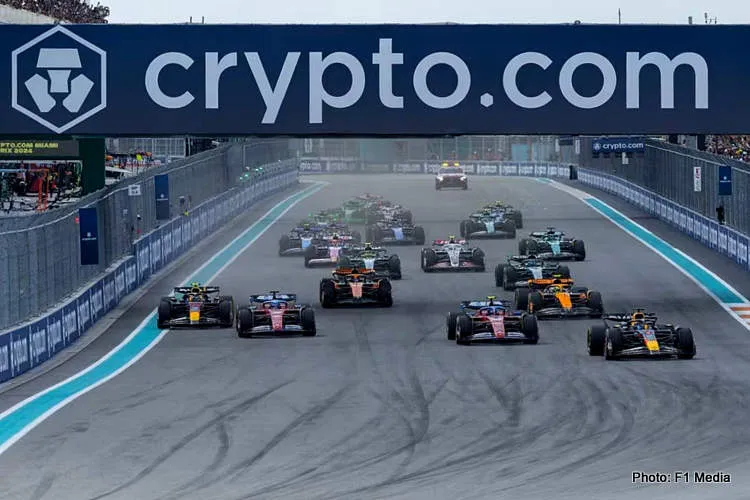
The real breakthrough came in 2021, when Crypto.com signed a major global partnership with Formula 1. That deal placed crypto branding at series level, not just team level, and helped open the door for exchanges, blockchain firms, fan token platforms and Web3 companies to chase the sport’s global audience such as Qzino crypto sports betting.
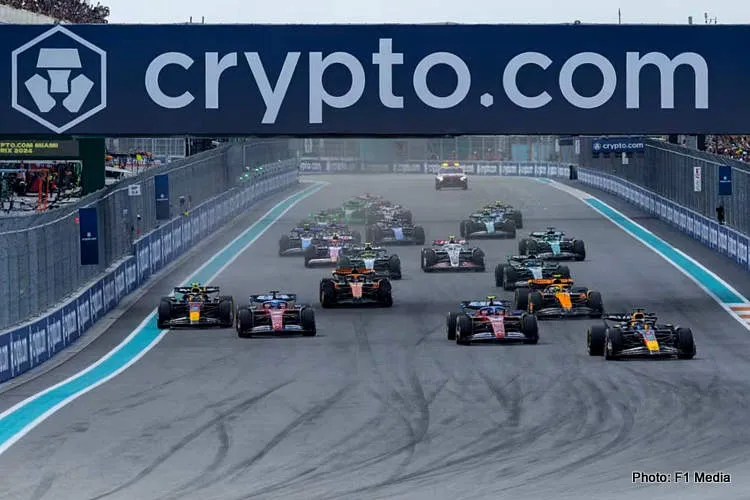
Crypto.com became one of the most visible names in the sport, with branding across Sprint events and later title sponsorship of the Miami Grand Prix. Formula 1 extended that relationship through 2030, turning what began as a bull market sponsorship play into one of the championship’s longest running modern commercial partnerships.
The timing mattered. Formula 1 was growing fast after the Drive to Survive boom, while crypto companies wanted mainstream legitimacy. The sport offered global television reach, young fans, high disposable income demographics and a technology driven image that fitted the story crypto firms wanted to sell.
At Qzino, players have access to 2,000+ games, including slots, Originals, live casino, sports, and esports.
The crash exposed the risk

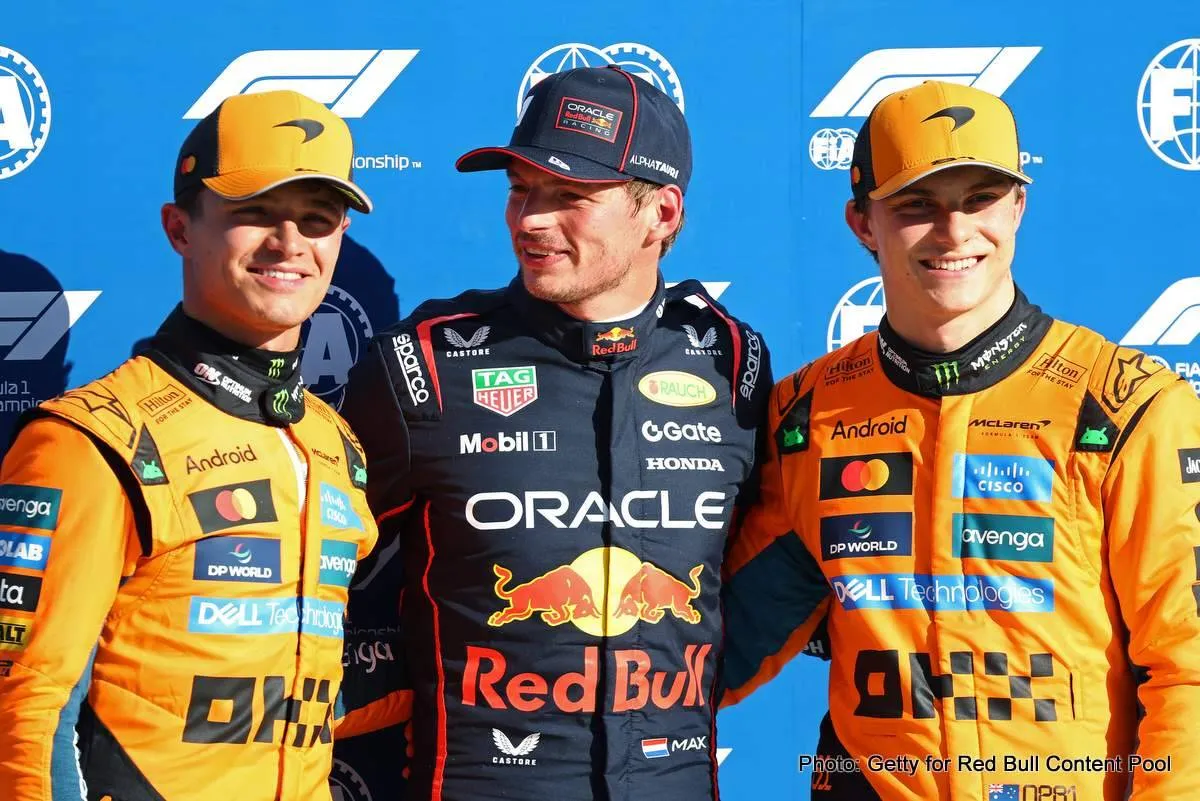
By 2022, crypto was everywhere. Red Bull Racing signed Bybit in a deal widely reported at around $150 million over three years. McLaren expanded with OKX. Mercedes carried FTX branding. Alpine had Binance fan tokens. Ferrari worked with Velas. Williams later added Kraken, while Sauber became heavily associated with Stake.
Then came the correction. The crypto winter hit valuations, exposed weak business models and destroyed trust across the sector. The biggest shock was FTX, which collapsed in November 2022 after allegations of large scale fraud around founder Sam Bankman Fried and the exchange’s internal finances.
Mercedes moved quickly to suspend its FTX partnership and removed branding from its cars during the 2022 Brazilian Grand Prix weekend. The collapse turned what had been presented as a modern commercial opportunity into a warning about reputational exposure, regulatory risk and the danger of taking money from volatile, lightly regulated firms.
Other deals also faded or ended. Ferrari’s Velas partnership was terminated early. Red Bull’s Tezos arrangement disappeared. AlphaTauri dropped Fantom. Sauber moved away from Vauld after the lender ran into trouble. The NFT gold rush also cooled sharply, with several smaller projects losing relevance almost as quickly as they had appeared.
A more mature market returned

But crypto did not leave Formula 1. It changed shape. By 2025, crypto and fintech sponsorship had returned to record levels, with research putting the combined category at $273.6 million across 21 partners, up 9% in value and 40% in deal count year on year.
The difference is that the market now looks more selective. The pure hype phase has given way to deeper commercial integrations, stronger compliance messaging and a greater emphasis on payments, fan engagement and brand visibility rather than just NFT drops or speculative tokens.
Stake became one of the most visible crypto linked names through its title sponsorship of Sauber in 2024 and 2025, although the team often used Kick Sauber branding in restricted markets. OKX remained prominent with McLaren, while Crypto.com continued as Formula 1’s central crypto partner.
Aston Martin added another milestone in 2025 with Coinbase, announcing a multi year partnership paid entirely in USDC, a stablecoin pegged 1:1 to the US dollar. The team presented it as the first publicly announced Formula 1 sponsorship fully paid through a stablecoin.
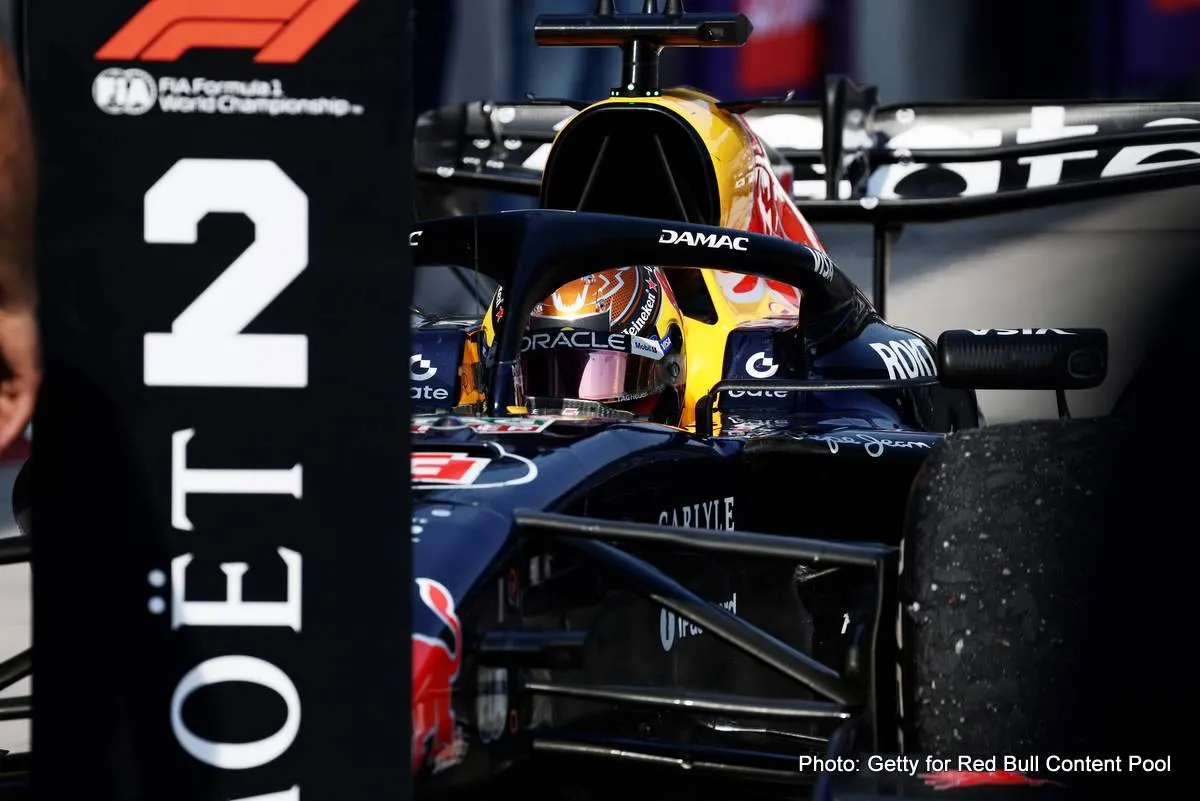
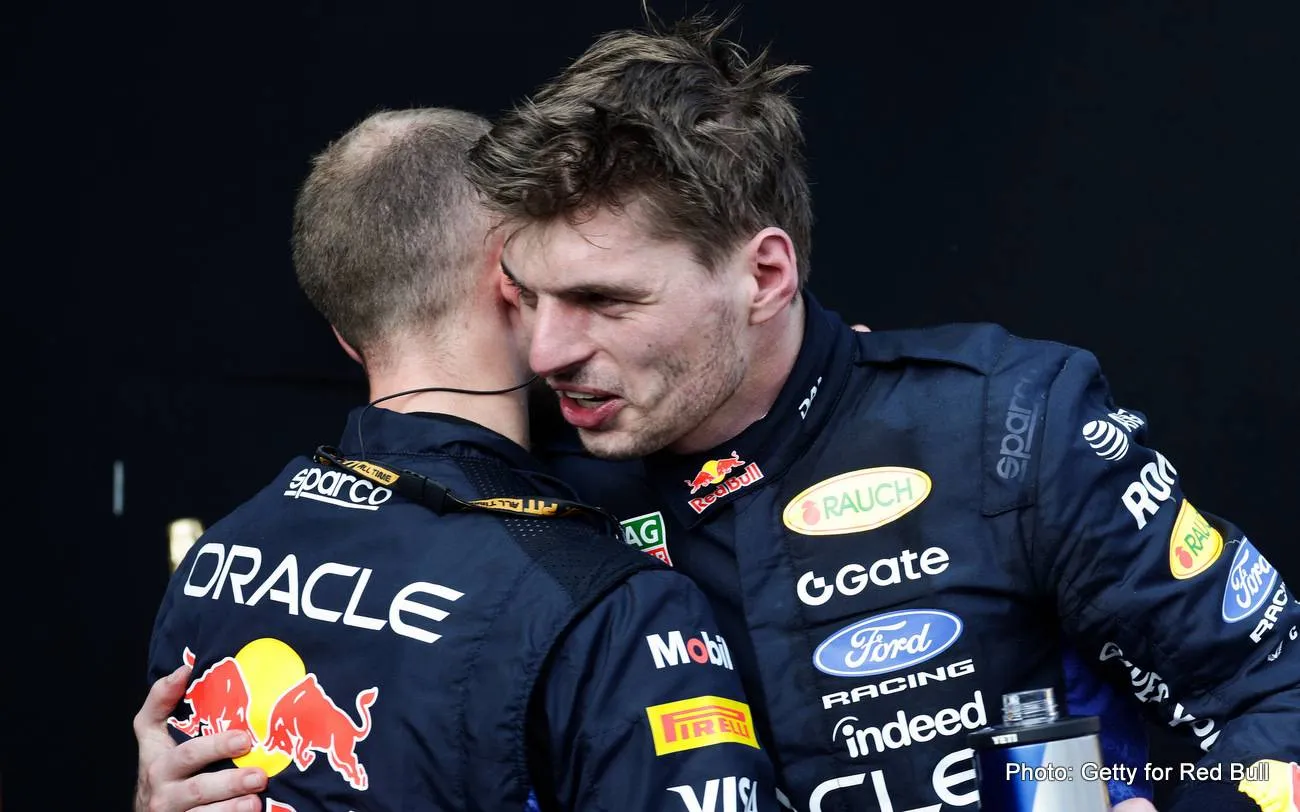
Red Bull also moved on from Bybit, confirming Gate.io as its new crypto exchange partner in 2025. The agreement underlined how crypto sponsorship had not disappeared from the front of the grid, even after the crash. It had simply shifted towards bigger, more established platforms with stronger public profiles.
Formula 1 keeps taking the money

By 2026, finance related sponsorship in Formula 1 had broadened further. Banks, payment firms, fintech platforms, trading apps and crypto companies were all competing for space, with crypto no longer the only fast growing financial category but still a major part of the grid’s commercial mix.
For Formula 1, the attraction is obvious. Crypto firms bring money, global marketing ambition and a desire to be associated with speed, technology and elite performance. For crypto companies, the sport still offers something difficult to buy elsewhere: mainstream credibility in front of a vast international audience.
The risk has not disappeared. Regulation remains inconsistent across markets, crypto prices remain volatile and some categories, especially betting linked crypto brands, remain sensitive. Teams now know that one sponsor collapse can create legal, financial and reputational problems beyond the original contract value.
That is why the current era looks less like the wild 2021 boom and more like a professionalised sponsorship market. Crypto is still present, still lucrative and still highly visible in Formula 1. But the sport has learned that not all digital money is equal.
Verified against current references: Crypto.com extension through 2030, 2025 fintech and crypto spend estimates, Aston Martin Coinbase USDC deal, and Red Bull Gate.io partnership.
Latest News


Loading