Why Formula 1 Fans Enjoy Predicting Silly Season Driver Line-Up Changes
F1 Drivers NewsSunday, 10 May 2026 at 01:35
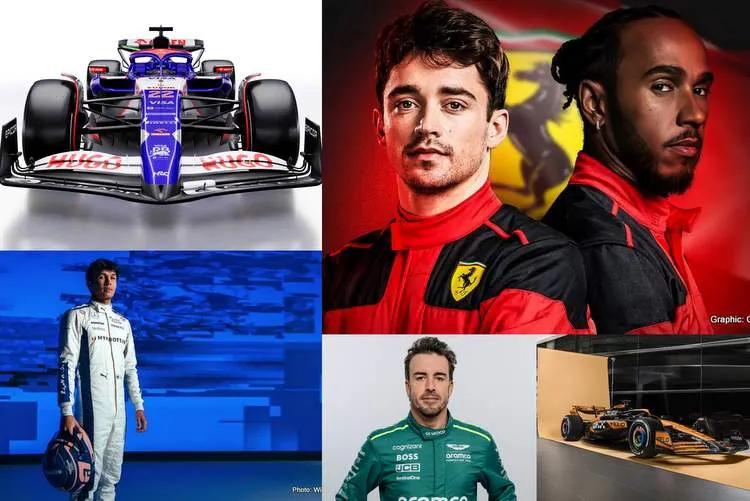
Predicting Formula 1 "Silly Season" driver movements is not merely a talking point for enthusiasts but a sophisticated exercise in geopolitical and commercial analysis within the paddock.
This perpetual speculation serves as the connective tissue between race weekends, maintaining a high-velocity narrative that often rivals the on-track action for sheer drama.
Predicting driver transfers requires a blend of tactical foresight and an understanding of the complex contractual webs that bind athletes to manufacturers. Fans spend countless hours analyzing telemetry, post-race interviews, and paddock whispers to identify the next generational talent or the impending retirement of a veteran.
For many, this level of strategic scrutiny mirrors the precision found in modern digital finance; just as a fan might consult the Cybet Crypto Guidebook to understand the volatile mechanics of decentralized assets, they apply a similar analytical rigor to the shifting valuations of drivers in the transfer market. Both environments reward those who can identify "low-buy" opportunities before the mainstream media catches up to the story.
The fascination with line-up changes is driven by several core factors:
- The Domino Effect: A single retirement at a top team like Ferrari or Mercedes can trigger a cascade of movements affecting every tier of the grid.
- Commercial Synergy: Evaluating how a driver’s personal sponsors and nationality align with a team’s global marketing strategy.
- Academy Pipelines: Monitoring the progress of F2 and F3 prospects as they apply pressure to incumbent drivers who are underperforming.
Navigating the Paddock: F1 Red Bull News and Performance Pressure
In the current era, few topics ignite the imagination quite like f1 red bull news, where the pressure for results is famously uncompromising. The Milton Keynes squad has turned driver rotation into an art form, creating a constant state of flux that keeps fans on high alert for the next tactical promotion or demotion. This environment of high risk and high reward appeals to the strategist in every fan. In moments of downtime between breaking news cycles, enthusiasts often explore other forms of probability-based entertainment, frequently utilizing a comprehensive crypto casino guide to understand the security and transparency of modern gaming platforms. This parallel between sporting risk and digital entertainment is a hallmark of the tech-savvy F1 audience.
To master the art of F1 prediction, one must evaluate these three critical variables:
- Contractual Break Clauses: Understanding that "signed until 2027" often means "signed until performance metrics drop below a certain threshold."
- Engine Supply Deals: Recognizing how technical partnerships can influence which drivers are placed in customer teams.
- Intra-Team Dynamics: Observing the psychological friction between teammates that often signals an impending departure.
The Value of the Prediction Culture
Ultimately, the drive to predict line-up changes provides fans with a deeper sense of agency within the sport. It transforms the viewer from a passive spectator into an active participant in the F1 narrative.
By engaging with the "Silly Season" culture, fans gain:
- Linguistic and Technical Literacy: A better understanding of the legal and technical jargon used in professional motorsport.
- Strategic Foresight: The ability to spot talent trends years before they manifest as podium finishes.
- Community Connection: A shared language for debate on forums and social media, bridging the gap between global fanbases.
As the formula 1 circus continues to evolve, the seats will remain the most sought-after prizes in sport. Whether you are tracking the latest f1 red bull news or speculating on a rookie's debut, the thrill of being right about a driver move remains the ultimate intellectual victory for the global fan.
Latest News
Loading