Boost & Overtake modes, 2026 Formula 1 Terminology explained
F1 NewsWednesday, 17 December 2025 at 14:40
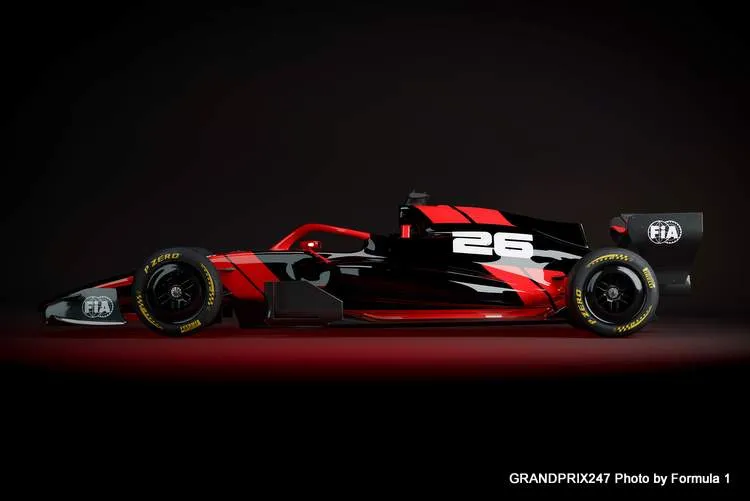
Formula 1 has confirmed the official wording and terminology that will be used across the sport to describe the key technical features of the 2026 regulations, as the championship prepares for the biggest regulatory overhaul in its history.
With the 2025 season now complete, Formula 1 said it had collectively agreed on a simplified, objective and consistent lexicon to explain the new chassis, aerodynamics and power unit rules to fans, broadcasters and stakeholders. The aim is to avoid gimmicks and unnecessary jargon while ensuring the technical nature of the regulations is articulated accurately and meaningfully.
Formula 1 explained that the terminology was developed following extensive consultation with the FIA, teams and technical experts, alongside feedback from new, casual and core fans. This process included third party polling data and input from the 50000 strong Fan Voice community, with the final language designed to support clearer analysis and on track commentary while placing the driver at the centre of the narrative.
How the 2026 cars will change

The 2026 regulations will introduce sweeping changes to both the chassis and power units, marking what Formula 1 described as the largest overhaul of regulations in the sport’s history. The new rules are intended to reset the competitive order, increase on track action and deliver more agile, responsive cars.
On the chassis side, the cars will be significantly smaller and lighter. Wheelbase will be reduced by 200mm to 3400mm, overall width by 100mm to 1900mm, with floor width cut by 150mm. Minimum weight will drop by 30kg to 770kg, all aimed at improving agility and responsiveness.
Downforce levels will be reduced by approximately 15 to 30 percent following the removal of ground effect floor tunnels, while overall drag will be cut by up to 40 percent. The Drag Reduction System (DRS) will be removed entirely and replaced by active aerodynamics, with movable front and rear wings allowing drivers to switch between high and low downforce configurations depending on cornering or straight line demands, enabling extra grip and speed when needed.
Tyre dimensions will also change. The 18 inch wheels will remain, but front tyres will be 25mm narrower and rear tyres 30mm narrower, reducing drag and overall weight.
Power units will undergo an equally dramatic transformation. The new regulations target an approximate 50 percent split between internal combustion engine power and electric power. The MGU-H will be removed, while MGU-K output will increase from 120kW to 350kW, significantly boosting electrical deployment for overtaking and straight line performance. All cars will run on advanced sustainable fuel without performance compromise.
Putting the driver at the center

Formula 1 said the 2026 rules place greater responsibility in the hands of the drivers than ever before. Decision making around energy deployment, regeneration and conservation will become a critical part of race craft, with drivers managing new tactical tools throughout each lap.
Understanding how drivers deploy and combine these systems will be central to appreciating their skill under the new regulations.
To support this, Formula 1 has agreed a common language that will be used consistently by teams, broadcasters, spokespeople and digital platforms.
The sport stressed that the terminology has been carefully designed to be intuitive for fans while remaining technically accurate, ensuring that new audiences can follow the action without oversimplifying the complexity of the cars.
The new official terminology explained

Formula 1 confirmed four key terms that will define how the 2026 regulations are communicated.
Overtake Mode will replace DRS. It allows drivers who are within one second of the car ahead to deploy additional power to instigate an overtake. It is a strategic tool that can be used in one burst or spread across a lap, supporting closer racing and more dynamic passing opportunities.
Boost Mode is a driver operated energy deployment function from the Energy Recovery System (ERS). It can be used offensively or defensively regardless of track position, delivering maximum combined power from the engine and battery at the push of a button.
Active Aero refers to dynamically adjustable front and rear wing elements that operate in specific high speed sections. These allow drivers to switch between Corner and Straight modes, increasing grip when needed and maximizing the effective use of the car’s power.
Recharge describes how drivers recover energy for the battery. This includes regeneration under braking, lifting off the throttle at the end of straights and partial throttle application through certain corners.
Formula 1 said the adoption of this shared terminology ensures a unified approach across the sport as it enters a new era in 2026, with the driver firmly placed at the heart of the action.
Latest News



Loading