Wrecked, Flooded, or Broken Down: Should You Repair Your Car or Sell It As-Is?
Special FeatureFriday, 03 April 2026 at 05:54
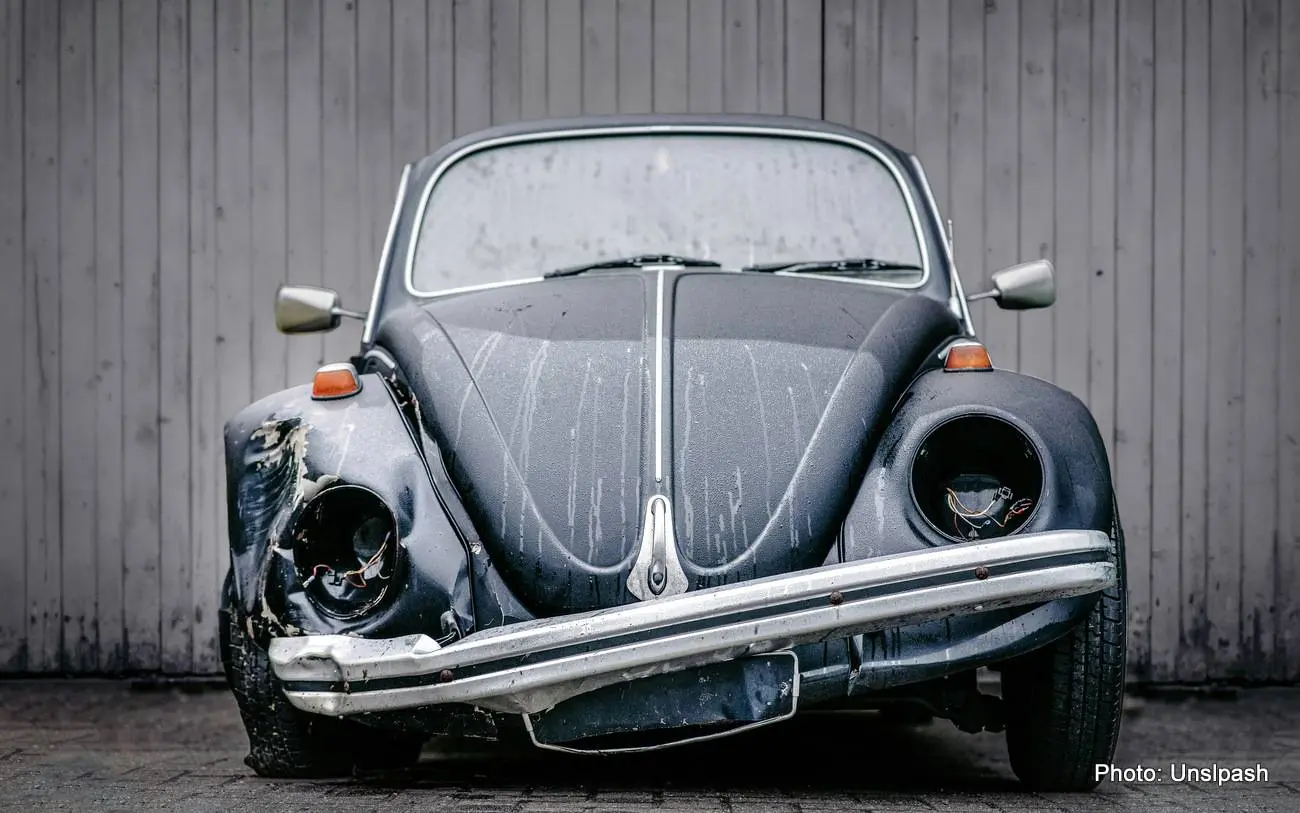
Cars break down, and accidents happen. That’s life, and there’s no need to fret after the fact. As long as you’re safe and healthy, life goes on. But what about your car? Can it be fixed? Or better yet, should it be?
If your mechanic quotes a repair bill that rivals your monthly mortgage, it may be time to let it go. Sure, you love your car; it’s your baby that carries you wherever you need to go. Every fiber in your body tells you to bite the bullet and choose to repair.
But that instinct could be the classic sunk cost trap. If you remove the emotions from the equation, does it still make sense to invest in repairs? Let’s see.
Repair Cost vs. Market Value
The first step toward making a rational decision is determining the pre-incident value of your vehicle. This is the Actual Cash Value (ACV) it held the moment before the damage occurred.
For instance, if the tires had 80% tread and the oil was changed a week prior, these are value-adders. If the seats were already torn, you must honestly categorize the car as Fair rather than Good.
Extra tip: Use NADA and Kelly Blue Book (KBB) data to find the "pre-incident" value.
In many parts of the United States, especially in major cities like Los Angeles, vehicle owners often visit an auto body repair shop in North Hollywood to get a repair estimate and compare it against their car’s market value before deciding whether to repair or sell.
After you draw the line and calculate the numbers, you have all the data needed to assess the situation. As a rule of thumb, if repairs exceed 50% of the car's current market value, it’s time to think about your exit strategy.
Strategic Exit: How to Sell a Basket Case
While it may be difficult to believe, your car still holds value even if it’s nothing more than a collection of parts that barely hold together. But do your research before you give it for nothing to the first buyer.
Opportunities and procedures differ from state to state. For instance, in California, you can sell your old car to a reputable buyer in under 24 hours. It’s the fastest way to offload it and get a good offer.
Another option is to look for a hobbyist mechanic or flipper who sees your wrecked car as a fun DIY project. Yes, there are people out there who prefer to buy a wrecked vehicle and have their way with it. However, they’re not that easy to find, and more often than not, they’re looking for a specific brand or type of car.
Finally, if nothing works, you can still sell it to a scrap yard for the weight of its raw materials. Current market data shows scrap steel hovers around $410 per ton, so an average mid-sized sedan, weighing roughly 1.5 tons, will sell at around $615.
Extra tip: If your car still has its original catalytic converter and an intact battery, point this out to the yard. These two items alone can sometimes double a scrap offer.
The Keep or Toss Decision
It’s normal to feel attachment toward your car, especially if you’ve been facing the roads together for a long time. But you also need to be aware of its limitations. Accidents, floods, or old age can turn your beloved four-wheeled baby into a jalopy that’s dangerous to drive on public roads. So weigh facts carefully and leave emotions out of the decision-making process.

Latest News









Loading

