The online gambling industry has witnessed unprecedented growth in 2025, with global market value reaching $102.3 billion according to the International Gaming Commission’s latest report.
This represents a 17.8% increase from 2024 figures, highlighting the continued expansion of digital betting platforms. Currently, an estimated 2.9 billion people worldwide have accessed some form of online gambling, with mobile gambling accounting for 73.2% of all digital betting activity.
In the United States alone, 31 states now permit some form of legal online gambling, up from 24 states in 2023. The average American gambler spends approximately 7.3 hours per week on gambling platforms, with this figure rising to 11.5 hours among the 18-29 age demographic.
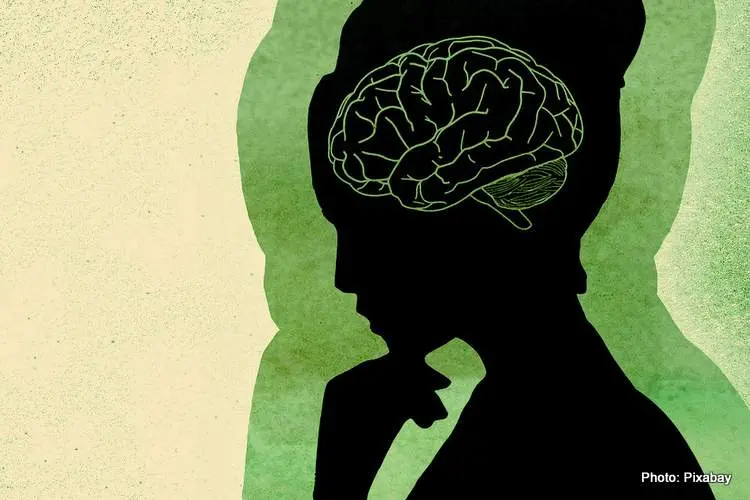
Furthermore, the psychological impacts of this widespread activity have become increasingly documented, with mental health professionals reporting a 22% rise in gambling-related consultations since January 2025. This is a special report for our Formula 1 readers and F1 fans interested in responsible gaming for fun.
Psychological Impacts of Online Gambling
Online gambling affects our brains in specific ways that are different from other activities. When people gamble, their brains release dopamine – a chemical that makes us feel good. For regular gamblers at Neospin Casino Australia, this brain response happens even when they’re just thinking about gambling.
The convenience of online platforms has intensified these effects. With 24/7 accessibility from smartphones, tablets, and computers, the barriers to gambling participation have practically disappeared. A 2025 study by the Mental Health Institute found that 41.7% of regular online gamblers reported checking gambling apps within 15 minutes of waking up.
Moreover, the integration of social media elements into gambling platforms has created new psychological dynamics. Social casinos, which combine gambling mechanics with social networking features, have seen a 29.3% user increase in the first quarter of 2025. These platforms blur the line between social interaction and gambling behavior, creating complex psychological attachments.
Anxiety-Gambling Connection
Research published in the Journal of Behavioral Addictions in February 2025 revealed a strong connection between anxiety disorders and problematic gambling behaviors. The study, which followed 3,245 participants over 18 months, found that individuals with diagnosed anxiety disorders were 3.4 times more likely to develop unhealthy gambling patterns.
This connection works in both directions. While anxiety can drive gambling behavior as a form of escape, gambling itself—especially losses—can significantly worsen anxiety symptoms. This creates a difficult cycle where each problem makes the other worse.
Risk Factors and Vulnerable Demographics
Not everyone who gambles develops problems, but certain factors increase risk. Understanding these can help with prevention and early intervention.
- Age – Young adults (18-25) show the highest risk profiles, with 27.3% of this demographic displaying at least one symptom of problematic gambling
- Previous mental health conditions – Individuals with depression are 2.8 times more likely to develop gambling problems
- Financial stress – People experiencing financial hardship are 3.1 times more likely to increase gambling activities
- Isolation – Those reporting social isolation show a 43% higher incidence of frequent gambling
The pandemic’s lasting effects have also shaped the current landscape. A longitudinal study completed in January 2025 showed that individuals who began gambling online during COVID-19 lockdowns have maintained higher-than-average gambling frequencies, with 38.7% still gambling at least four times weekly.
Positive and Negative Mental Health Effects
Online gambling’s relationship with mental health isn’t entirely negative. For some individuals, controlled gambling provides entertainment, social connection, and cognitive stimulation. However, the negative impacts can be significant when gambling behaviors become problematic.
| Mental Health Effect | Recreational Gambling | Problem Gambling | Severe Gambling Disorder | Non-Gamblers |
| Depression rates | 12.3% | 34.8% | 67.2% | 14.1% |
| Anxiety symptoms | 15.7% | 41.3% | 72.9% | 18.2% |
| Sleep quality (hours/night) | 7.1 | 6.3 | 5.2 | 7.3 |
| Reported life satisfaction (1-10) | 7.2 | 5.9 | 3.7 | 6.8 |
| Social connection score | 7.8 | 6.2 | 4.1 | 7.3 |
Source: Global Mental Health and Gambling Survey, 2025
These statistics highlight the importance of maintaining healthy boundaries with gambling activities. The transition from recreational to problematic gambling often happens gradually, with subtle warning signs that can be easily missed.
Warning Signs and Self-Assessment
Recognizing early warning signs is crucial for maintaining a healthy relationship with gambling. Mental health experts recommend regular self-assessment using these indicators:
- Spending more time or money than planned
- Gambling to escape problems or negative feelings
- Lying about gambling activities
- Experiencing withdrawal-like symptoms when not gambling
- Neglecting work, school, or family responsibilities due to gambling
The 2025 Responsible Gambling Framework recommends the 15-15-15 rule for recreational gamblers: limit sessions to 15 minutes, take a 15-minute break after each session, and cap spending at 15% of disposable income. This structured approach helps maintain awareness of gambling behaviors before they become problematic.
Role of Gambling Companies
Gambling operators have faced increasing pressure to address mental health concerns. In 2025, the Global Gaming Alliance introduced mandatory mental health screening tools on all licensed platforms. These tools now appear after users spend more than 90 minutes on a platform or make three deposits within 24 hours.
Additionally, 78.3% of major gambling platforms have implemented mandatory cool-down periods for users showing risk patterns. These automatic interventions have shown promising early results, with a 23.7% reduction in problematic gambling behaviors among users exposed to these features.
Finding Balance: Practical Strategies
For those who enjoy gambling but want to maintain mental wellbeing, experts recommend several practical approaches:
- Set strict time and money limits before starting
- Use platform-provided responsibility tools (deposit limits, time-outs)
- Maintain diverse leisure activities beyond gambling
- Practice mindfulness techniques to stay aware of motivations
- Consider professional support if gambling affects daily life
The relationship between online gambling and mental health involves a complex balance. With the industry’s continued growth and technological innovation, understanding these dynamics becomes increasingly important.
Moving Forward
By recognizing risk factors, implementing protective strategies, and maintaining awareness of gambling motivations, individuals can enjoy recreational gambling while protecting their mental wellbeing.
The data shows that most people can engage in controlled gambling without significant negative impacts. However, for the estimated 4.7% of online gamblers who develop problematic behaviors, the consequences can be severe.
Moving forward, the integration of mental health considerations into gambling regulation and platform design will likely become even more central to industry development.
Latest News











Loading