It's About the Experience, Not the Expense: Playing for Fun in the Digital Era
Special FeatureSunday, 08 February 2026 at 01:25
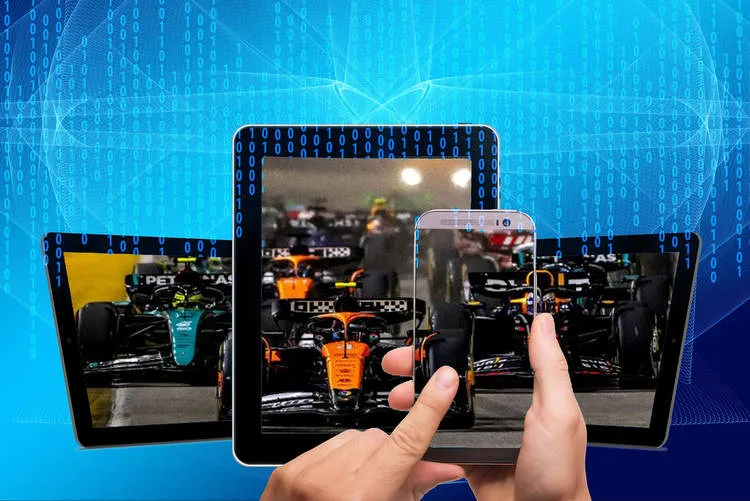
Gaming transformed from an expensive hobby into something accessible to practically anyone with an internet connection.
The shift happened slowly, then suddenly nobody could pinpoint when it changed. Hundreds of dollars in upfront costs? Free downloads now. Browser windows. Subscription services costing less than a couple of coffee runs.
Accessibility changed everything. Who plays games? Why they play? All different now. Gaming got cheap enough that people started realizing something. The expensive hardware? The $70 price tags? Not the point. Fun doesn't need your wallet anymore, though publishers still try convincing you otherwise. This is a special report for our Formula 1 readers interested in respeonsible gaming.
Free-to-Play Flipped the Script (Mostly for the Better)
Premium games charging $60-70 ruled the market for decades. You paid upfront, hoped the game delivered. That was that. Free-to-play models? Flipped this completely. Download at no cost. Try it out. Keep playing if it clicks.
Critics initially dismissed free-to-play as inferior, and plenty of cash-grab mobile games proved them right. Those critics missed what was happening with quality titles though. Developers discovered they could rake in better money through optional purchases than forced upfront costs. Make something people want. Worry about monetization later.
Look where we are now. Mobile gaming exploded. Fortnite made billions without charging for entry. League of Legends became the most played game globally with a free download. Price tags? Stopped mattering. A game could be brilliant or trash regardless of cost, which confused traditional game reviewers who built careers around telling people whether sixty bucks was worth it.
The Math Works Out Pretty Well
Looking at how much entertainment costs by the hour? Shifts the equation. A $70 game providing 15 hours runs about $4.67 per hour. A free game delivering hundreds? The math speaks for itself.
Other forms of entertainment hit your wallet harder. Movies run $15-20 for two hours. Live events? Way more. Gaming's entertainment value obliterates these comparisons. A free puzzle game played during commutes for six months delivered more entertainment than most paid activities combined.
Some players spend thousands on microtransactions and defend every purchase, arguing convenience matters. Others play the same games without dropping a dime, proud of their restraint. The gameplay? Same. The victories? Same. The frustrations? Yeah, those too.
Friends Beat Fancy Graphics Every Time
High-end graphics cards and expensive monitors dominated gaming conversations for years. The reality? Hit games don't demand bleeding-edge hardware. Developers care more about reaching everyone than showing off.
Among Us became a cultural phenomenon with simple graphics that could run on a potato. Stardew Valley was made by one person and runs on decade-old computers. These games thrived because they understood something AAA studios kept missing while burning through hundreds of millions on photorealistic facial animations nobody asked for. The social dynamics, the way people connected? That's what stuck. Pretty visuals might impress for the first hour, but they don't keep group chats buzzing at 2 AM.
Friends transform everything, which explains why some objectively terrible games built massive communities while technically superior titles died in obscurity. A mediocre game becomes memorable when you're playing together, mostly because you're enjoying the people more than the mechanics. Voice chat during sessions. Inside jokes forming around gameplay. The value here has nothing to do with spending, though companies keep trying to monetize friendship through premium features nobody wants.
Why Buy One Game When You Can Try Hundreds?
Owning one premium game limited what you could experience. Beat it once, maybe again. Then? Collected dust. That investment? You were married to your choice. Game disappointing? Too bad, you already paid.
Digital distribution arrived. Free-to-play followed. Everything shifted. Curious about that weird indie game? Jump in. Switching between genres became normal. Variety stopped costing you, though decision paralysis might hit.
Subscription services amplified this trend, though some worry about not truly owning anything. Xbox Game Pass? Hundreds of games for what you'd pay for one new title. Gaming like Netflix. Pay for access, not ownership.
Getting Better Matters More Than Spending More
Paying real money to win deservedly caught hell. Spending money to get ahead frustrated players who couldn't or wouldn't spend. Games built around this bred resentment instead of enjoyment.
Successful games figured it out eventually, though plenty still haven't and probably never will. Fair competition? Means skill determines outcomes. Money might buy cosmetics or convenience. Victory though? Can't buy that. Separating spending from winning keeps competitive scenes alive, which benefits developers more than players realize since esports viewership drives way more revenue than any individual whale ever could.
Free players still have a clear path forward. Practice matters. Learning mechanics matters. Understanding strategy matters. These cost nothing but time and attention. Players who master fundamentals can compete with anyone, wallet size irrelevant.
Cosmetic items are a good example. Skins, emotes, and visual customization let players express themselves without affecting gameplay. Some players happily spend on cosmetics because they value the expression. Others ignore cosmetics entirely and miss nothing about gameplay.
Casino games work the same way. Influencers like Jackpot Beauties showcase slots with elaborate graphics, bonus features, and spinning reels, demonstrating how players can enjoy the entertainment without risking actual money. The entertainment comes from the experience itself, the anticipation of each spin, the excitement of bonus rounds, all available through play-money modes. You get the same rush, the same visual spectacle, whether you spend money or not.
Time Stopped Being a Barrier
Hardcore gaming required serious time commitments. Raid schedules in MMOs? Demanded showing up at specific times for hours. Campaign games expected 40-60 hour investments.
Time works differently now. Five-minute breaks? Mobile games fit there. Battle royale matches last 20 minutes. Games work around your schedule now instead of demanding you rearrange your life.
More people could suddenly play games, which paradoxically created new forms of gaming guilt when you chose Netflix instead. People with busy schedules found ways to participate, then immediately found ways to feel bad about not participating enough. Gaming molded itself to fit life rather than demanding life revolve around it, except now games follow you everywhere through push notifications about daily login bonuses you're about to miss.
Geography Stopped Mattering
Physical game copies? Required store trips, shipping waits, or borrowing from friends. Where you lived dictated what you could play. Living far from stores meant limited selection.
Digital downloads demolished these limitations, assuming you have decent internet. Internet connection became the only requirement. Global releases? Same day for everyone. No stock shortages. Where you lived stopped mattering.
Gaming deserts felt the biggest impact, those places where the nearest game store sat two hours away and carried maybe fifteen titles from three years ago. Online stores leveled the playing field, assuming your internet could handle it, which ironically became the new dividing line nobody talks about much.
Great Experiences Don't Require Big Spending
The same message keeps proving itself. Expensive setups don't guarantee enjoyment, though they unlock certain experiences. Free games aren't automatically inferior, though some still carry stigma. Tight budgets won't block amazing experiences. That correlation between spending and enjoyment? Completely shattered.
What you like matters way more than what you spend. Some players love competitive shooters that run on any computer. Others prefer sprawling RPGs demanding high-end hardware. A tight budget won't block amazing experiences, though you'll miss some technical spectacle triple-A studios pour millions into.
Gaming cracked wide open, though gatekeeping attitudes linger in some communities. Anyone can find engaging experiences matching their interests, available time, and budget. The budget part became almost optional. You can spend nothing and still access world-class gaming.
Entertainment looks fundamentally different. Gaming joined reading, podcasts, and online video as stuff everyone can access regardless of money. What matters now? The experience. Price tags? Largely irrelevant.
Modern gaming changed the rules, though not everyone adapted their expectations. Spending money? Won't guarantee entertainment value. Time, interest, and finding games that match your preferences determine enjoyment. Everything else? Optional. That's gaming in the digital era, and more people can participate than anyone imagined.

Latest News


Loading