How Modern Windshields Play a Crucial Role in Motorsport Safety
Special FeatureTuesday, 23 June 2026 at 06:01
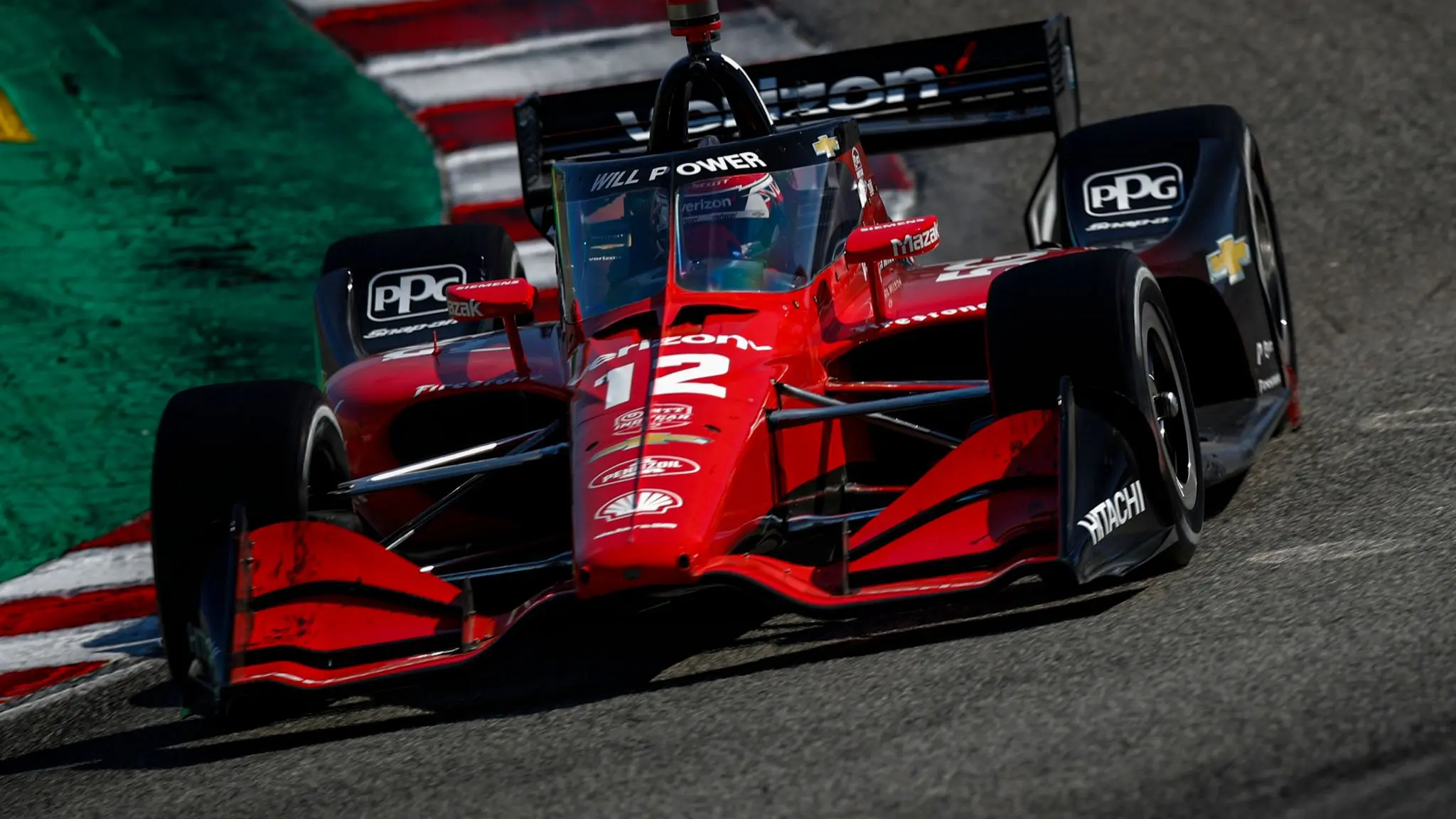
When it comes to motorsport safety, people mainly think about aerodynamic design, reinforced chassis structures, and advanced driver protection systems like the halo.
However, one critical
component is often overlooked: the windshield and how it behaves under extreme
conditions.
At racing speeds, even small debris carries
enough energy to cause serious damage. When you factor in high-speed vehicle dynamics,
it becomes clear that safety depends not just on having protective components,
but on how well they perform in real conditions.
Key Differences in Windshield Safety Between Motorsport and Road Cars
It’s easy to assume that windshield
safety in motorsport and everyday driving is essentially the same, just at
different speeds. In practice, the technology may be similar, but the
conditions it faces are on a completely different level.
On public roads, windshields are built to
handle occasional stress. A rock chip, a sudden change in temperature, or a
minor collision might put the glass to the test, but these things don’t happen
all the time.
In motorsport, however, the glass is
exposed to ongoing pressure from speed, airflow, and vibration. Because that
stress is continuous, it gradually affects how the material responds.
How Windshields Protect Drivers in Modern Motorsport
In modern motorsport, the role of the
windshield depends heavily on the type of car, but its purpose remains the
same: protection under extreme conditions. In open-cockpit series like Formula
1, traditional windshields are not used. Instead, systems like the halo are designed to deflect
debris and protect the driver’s head.
In other series, such as endurance racing, windshields are still used,
but they are built to a much higher standard than those in road cars.
These windshields are not just there for
visibility. They contribute to the overall safety of the vehicle, including the
structural support of
windshield systems that help maintain the integrity of the cockpit
during high-speed impacts.
Materials are carefully selected and
maintained because even small imperfections can become serious risks when
exposed to constant stress. That is why teams monitor and replace them far more
frequently than in everyday driving.
What Happens When Windshields Fail at High Speeds?
Windshield damage doesn’t just happen
without warning. It usually starts with minor flaws that gradually become more
serious. It often begins with small damage that gradually spreads under
pressure. As the glass flexes from constant airflow and vibration, tiny cracks
can start to grow in a process known as crack propagation. What seems minor at first
can quickly become more serious when the stress is ongoing.
As the damage spreads, it begins to
affect more than just the surface. The driver’s view may become distorted,
affecting reaction time. Meanwhile, the glass becomes less stable under stress,
which can cause the damage to spread further. In some cases, the issue stays
contained and the glass holds together. In others, it can worsen more quickly,
especially if the structure is already weakened.
Proper
auto glass maintenance plays a key role in keeping these problems
from getting worse.
What Motorsport Teaches Drivers About Automotive Glass Safety and Clear Visibility
In motorsport, visibility is everything.
Drivers are making constant decisions at high speeds, and even a small change
in clarity can affect how they respond. That is why automotive glass safety is
treated as part of overall performance, not just a protective feature.
On the track, drivers need a clear and steady
view to make split-second decisions. They are constantly judging distance,
reading the surface, and reacting to the movement of other cars. When the glass
is under stress, even a small imperfection can start to interfere with that
clarity. It doesn’t take much to make a difference at high speeds. That’s why
teams take a proactive approach, making sure the windshield stays in top condition rather than
letting small problems build up.
You don’t have to be on a racetrack for
this to matter. Even if you’re not driving at high speeds, the same basic
principles still apply:
●
Address small chips early before
they have a chance to spread under stress
●
Don’t ignore subtle distortion or
glare, especially in changing light conditions
●
Keep your windshield consistently
clean, since visibility affects reaction time more than most drivers realize
●
Replace damaged glass sooner
rather than later if clarity or structural integrity is compromised
These habits may seem simple, but they reflect
the same approach used in motorsport. The goal is not just to maintain
visibility, but to make sure it remains reliable when it matters most.
Key Takeaways
When you take a closer look at
motorsport, it becomes clear that safety depends on how well every part
performs under pressure. Windshields are a good example of that. They help
maintain visibility, support the structure of the car, and need to perform reliably
under constant stress.
That same level of attention can carry
over into everyday driving. Keeping your view clear and taking care of small
issues early can make a real difference, especially when conditions become less
predictable.


Latest News





Loading