How Long Does Paint Protection Film Last? Everything You Need to Know
Special FeatureMonday, 01 June 2026 at 05:10
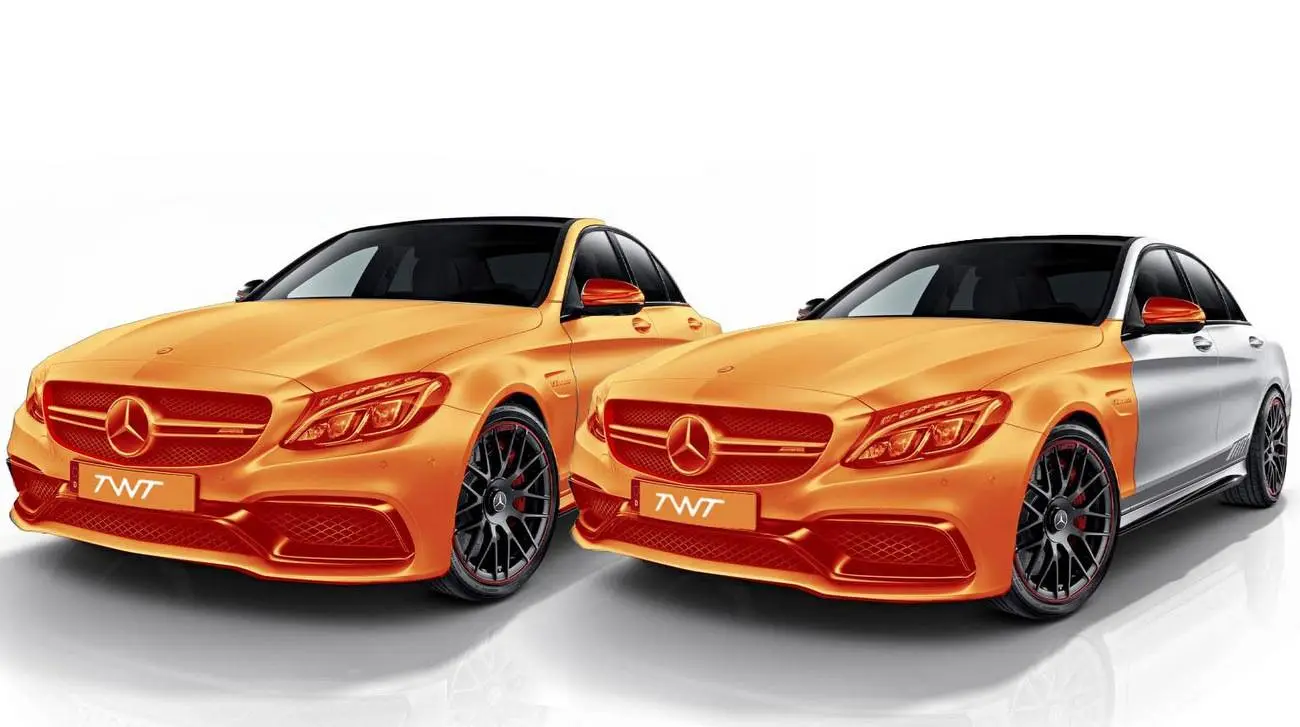
If you've been considering paint protection film (PPF) for your vehicle, the first question that almost always comes up is: how long will it actually last?
It's a fair question. PPF isn't a cheap impulse purchase — it's a deliberate investment in protecting a vehicle that's worth protecting. Before you commit, you want to know whether you're looking at 3 years of decent coverage or a decade of real protection. The answer depends on several factors, and understanding them will help you get the most out of every dollar you put into your car.
This guide covers everything: average PPF lifespan, what shortens it, what extends it, the difference between premium and budget films, signs that it's time to replace, and maintenance habits that keep your film performing at its best for years. This is a special report four our Formula 1 readers and F1 fans.
The Short Answer: How Long Does PPF Last?
High-quality paint protection film typically lasts between 7 and 10 years when professionally installed and properly maintained. Premium brands like XPEL, 3M, and STEK back their flagship products with manufacturer warranties of up to 10 years — a direct signal of how confident they are in long-term performance.
Here's how lifespan generally breaks down by film tier:
- Premium PPF (XPEL Ultimate Plus, 3M Pro Series, STEK DYNOShield): 7–12 years, with 10-year manufacturer warranties
- Mid-tier PPF: 5–8 years, with 5–7-year warranties
- Economy/budget PPF: 3–5 years, often with limited or no warranty coverage
The gap between premium and budget film is significant — and it's not just about lifespan. Budget films are more prone to yellowing, edge lifting, cracking, and loss of optical clarity well before their replacement window arrives. Premium thermoplastic polyurethane (TPU) films are specifically engineered with UV-resistant top coats, self-healing elastomeric polymers, and hydrophobic surfaces that maintain both protection and appearance over the long haul.
The bottom line: if you're putting PPF on a vehicle worth protecting, the film quality should match the investment.
What Affects How Long PPF Lasts?
PPF lifespan is not a fixed number — it's a range shaped by four primary variables. Understanding these helps you set realistic expectations and take the right steps to push your film toward the upper end of its potential lifespan.
1. Film Quality and Brand
This is the single biggest factor. Not all PPF is made the same, and the difference between a premium film and a cheap import becomes visible within just a few years of installation. Premium brands invest in:
- Advanced TPU formulations that resist UV degradation, yellowing, and discoloration far better than older PVC-based films
- Self-healing top coats that allow light surface scratches and swirl marks to disappear with heat, keeping the film looking pristine between washes
- Hydrophobic surface layers that repel water, bird droppings, bug acids, and road contaminants before they have time to bond and cause staining
- Rigorous quality testing that allows manufacturers to back their products with decade-long warranties
XPEL's ULTIMATE PLUS, for example, is specifically designed with a UV-resistant clear coat that resists yellowing and maintains optical clarity for 10 or more years under normal driving conditions. That's a meaningfully different product than a generic film purchased through a wholesale distributor.
2. Installation Quality
Even the best film in the world will fail prematurely if it's installed incorrectly. Professional installation is not optional — it's foundational to the entire lifespan equation.
A qualified installer prepares the paint surface meticulously before the film ever touches the car: decontaminating, claying, and inspecting every panel to ensure the adhesive bonds to a clean, contaminant-free surface. Trapped dust, oils, or debris under the film create air pockets and weak adhesion points that lead to lifting, peeling, and moisture intrusion well ahead of schedule.
Proper installation also involves precision cutting — either using computer-plotted film patterns specific to each vehicle make and model, or hand-cutting with the skill to achieve clean, tight edges. Wrapped edges (where the film folds around panel edges rather than ending at the edge) are especially important because exposed edges are the most common entry point for water and debris that undermine the film's bond over time.
Mobile installers working outdoors in dusty, uncontrolled environments face significant challenges achieving the same quality as a climate-controlled facility installation. Dust, wind, and temperature fluctuations during installation can all compromise adhesion and result in visible imperfections that shorten film life.
3. Driving Environment and Conditions
Where and how you drive has a direct impact on how quickly your PPF experiences wear. Los Angeles drivers, for example, face a specific combination of challenges:
- Freeway exposure: The 405, 101, and 5 freeways generate constant high-speed traffic that kicks up gravel, road debris, and rock chips on a daily basis — exactly the conditions PPF is designed to absorb
- UV intensity: Los Angeles averages 284 sunny days per year, meaning PPF in Southern California is under continuous UV stress that accelerates degradation in lower-quality films
- Urban debris: Stop-and-go traffic, construction zones, and dense urban environments create additional exposure to dust, chemicals, and abrasive particulates
Daily freeway commuters in high-exposure environments like Los Angeles should realistically plan for film replacement closer to the 7–8 year mark on premium products. Vehicles that are driven less frequently, garaged regularly, or used primarily on surface streets may comfortably reach the full 10+ year lifespan on the same premium film.
4. Maintenance and Care Habits
This is the factor most owners have the most control over — and the one that most commonly shortens film lifespan unnecessarily. Proper PPF maintenance is not difficult, but it is specific. Habits that protect regular paint can actually damage PPF if applied incorrectly.
How to Extend the Life of Your PPF: Maintenance That Actually Matters
Following the right care routine dramatically extends film lifespan and keeps the appearance sharp from year one through year ten. Here's what matters most:
Wait Before the First Wash
After installation, give the film at least 7 full days before washing the vehicle. This curing period allows the adhesive to fully bond to the paint surface. Washing too soon — or applying any products — can lift edges and trap moisture before the film has properly set.
Hand Wash or Touchless Only
Automatic car washes with rotating brushes are one of the fastest ways to shorten PPF life. The abrasive mechanical action can scratch the film's top coat, lift edges, and introduce micro-damage that compounds over time. Hand washing with a two-bucket method (one for soapy water, one for rinsing your mitt) and a pH-neutral car shampoo is the gold standard. Touchless automatic washes are an acceptable alternative when hand washing is not practical.
Use pH-Neutral Products Only
The chemistry of your cleaning and detailing products matters significantly. Avoid:
- Wax-based products and sealants — these can cause discoloration and degrade the film's top coat
- Solvent-based cleaners — aggressive chemical solvents break down the film's polymer structure
- Abrasive compounds or clay bars — these scratch and dull the film surface
- Petroleum-based products — avoid contact with gasoline and fuel residue near film edges
Stick to PPF-safe detailing sprays, pH-neutral shampoos, and film-specific ceramic boosters for ongoing maintenance.
Remove Contaminants Promptly
Bird droppings, bug splatter, and tree sap are acidic. Left on the film surface for extended periods, these contaminants etch into the top coat and can cause permanent staining that self-healing properties cannot reverse. Remove them as soon as possible using a damp microfiber cloth — do not scrub dry.
Dry with Microfiber
Air-drying allows mineral deposits in water to evaporate and leave stubborn water spots on the film surface. Always dry with a clean, high-GSM microfiber towel using a gentle patting motion rather than dragging it across the panels. This preserves the optical clarity of the film and prevents micro-scratches.
Park in Shade When Possible
Extended direct sun exposure adds cumulative UV stress to the film over time. Parking in shade, using a garage, or using a car cover for long-term storage meaningfully reduces UV degradation — particularly important in high-sun environments like Southern California.
Schedule Professional Inspections
Annual or biannual professional inspections allow a qualified installer to identify minor edge lifting, developing bubbles, or areas of film wear before they compromise entire panels. Catching problems early is dramatically cheaper than replacing full sections of film due to neglect.
Signs Your PPF Needs to Be Replaced
Even the best PPF has a finite lifespan. Here are the clear signals that it's time to consider replacement:
Yellowing or discoloration: The film has taken on a yellow or amber tint, usually most visible on white or light-colored vehicles. This indicates UV degradation of the film's top coat.
Peeling or lifting edges: Film edges are lifting away from the paint surface. This compromises protection and allows moisture and debris to undermine adhesion across the panel.
Persistent bubbling: Bubbles that don't resolve with heat exposure indicate adhesion failure — either from the original installation or from damage over time.
Loss of self-healing: Minor scratches that previously disappeared with sun or warm water are now remaining permanently. This indicates the self-healing top coat has been exhausted.
Cloudiness or haze: The film has lost its optical clarity and appears foggy rather than transparent, dulling the vehicle's paint finish.
Cracking or crazing: Surface cracking indicates the film's polymer structure has broken down and can no longer perform its protective function.
If you're seeing any of these signs, the film is no longer performing at its designed specification — and unprotected paint underneath is being exposed to the damage the film was meant to absorb.
PPF vs. Ceramic Coating: What Lasts Longer?
A common question alongside PPF lifespan is how it compares to ceramic coating. They are not competing products — they serve different functions — but understanding the distinction matters for realistic expectations:
Paint Protection Film is a physical barrier. It absorbs and distributes the energy of rock chips, road debris, and minor impacts before they reach the paint. It self-heals surface scratches. It is the only product that actually prevents stone chip damage. Lifespan: 7–10+ years on premium film.
Ceramic Coating is a chemical bond to the paint's surface. It provides exceptional chemical resistance, hydrophobic water repulsion, UV protection, and enhanced gloss — but it cannot absorb physical impacts. Ceramic coating will not stop a rock chip. Lifespan: 2–5 years depending on grade and maintenance.
The optimal setup is PPF applied first for physical impact protection, followed by a ceramic coating applied over the PPF. This combines the impact resistance of the film with the chemical resistance, self-cleaning properties, and added gloss of ceramic — and the ceramic coating also protects the PPF's top coat, which can extend the film's lifespan further.
Vinyl wraps, for comparison, typically last 3–5 years and offer minimal protection against physical impacts — they are primarily a cosmetic product, not a protective one.
Does PPF Really Protect Paint Long-Term?
The financial case is straightforward. A single rock chip repair on a luxury vehicle can cost $500 to $1,500 depending on location and severity. A full panel repaint runs $1,000 to $3,000. A full respray on a luxury or exotic vehicle can exceed $10,000 to $15,000.
Premium PPF on the full front of a vehicle — covering the hood, fenders, bumper, mirrors, and headlights — typically costs between $1,200 and $2,500 installed. Full-body coverage on a luxury vehicle generally runs $4,000 to $8,000 depending on the vehicle size, film brand, and installation complexity.
Over 7 to 10 years, a properly maintained PPF installation prevents the cumulative cost of rock chip repairs, UV paint degradation, and clear coat damage that unprotected vehicles inevitably accumulate on Los Angeles roads. Vehicles with documented PPF coverage also consistently command higher resale prices than unprotected equivalents — because buyers know what clean paint is worth.
Getting PPF Done Right in Los Angeles
Film lifespan starts with the installation. Choosing a certified installer who uses premium film, performs work in a climate-controlled facility, and wraps edges correctly is the single most important decision you make for long-term PPF performance.
PPF Pros in North Hollywood is a certified XPEL installer serving Los Angeles County, specializing in full-body and partial PPF installations for daily drivers, Tesla owners, luxury vehicles, and exotic cars.
All installations are performed in a dust-free, climate-controlled facility using precision computer-cut film patterns for exact fit on every vehicle make and model — the foundation for film that reaches its full 10-year potential instead of failing at year four.
If you're ready to protect your vehicle's paint and lock in its value for the long term, getting a quote is the fastest first step.
Start with quality film
Paint protection film, when done right, is one of the most durable and cost-effective investments a car owner can make.
Premium PPF installed by a certified professional in a controlled environment, maintained with the right products and habits, and applied to a vehicle that's garaged and driven responsibly can realistically last a full decade — quietly absorbing thousands of dollars in potential paint damage while remaining virtually invisible.
The variables that shorten that lifespan — cheap film, poor installation, automatic car washes, and neglected maintenance — are all avoidable with the right choices upfront. Start with quality film, start with a qualified installer, and the rest follows.
Latest News
Loading