From Formation Laps to Morning Commutes: What Motorsport Teaches Us About Warming Up a Car
Special FeatureSunday, 25 January 2026 at 04:03
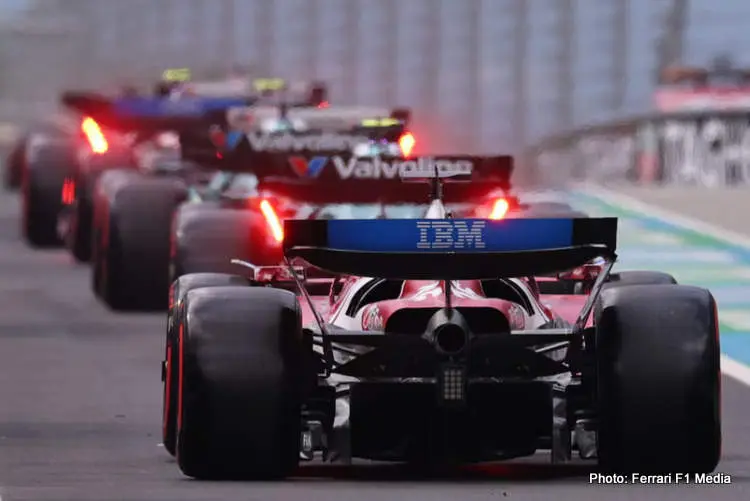
Formula 1 is a sport obsessed with temperature. Tyres, brakes, oil, water, batteries, even the driver’s body, everything has an ideal operating window.
When you watch cars roll out of the
garage and creep down the pit lane, it can look calm, almost casual. But there
is a whole checklist of warm-up rituals happening at once: bringing fluids up
to temp, bedding brakes, building tyre surface heat, and stabilizing the car’s
behavior so the driver can push with confidence.
That motorsport mindset has quietly
shaped how many everyday drivers think about their own cars, especially on cold
mornings. Some people still believe the best practice is to let the engine idle
for a long time before moving. Others do the opposite and drive off
immediately, treating warm-up as a myth. The truth is more nuanced, and it sits
somewhere between racing logic and modern road-car engineering.
If you are a motorsport fan, you already
understand the principle: mechanical systems perform best when they are warm,
but wasting time and fuel getting there is not always necessary.
Why warm-up matters in racing
In racing, the goal is simple: reach peak
performance as quickly and safely as possible. Engines are built with tight
tolerances, and their lubrication and cooling strategies are designed around a
target temperature. Until oil is flowing well and at the right viscosity, teams
and drivers manage load carefully. That is one reason you see drivers avoid big
throttle spikes and aggressive gear changes during out-laps.
Brakes have their own story. Carbon brake
discs used in top-tier series need heat to bite properly. Too cold and stopping
distances grow. Too hot and they can fade, or you can hurt the tyre by
overheating it through the wheel. Tyres may be the biggest variable. The
difference between a tyre that is slightly under temperature and one that is in
the sweet spot can be the difference between clean traction and a slide that
ruins a lap.
None of this is about superstition. It is
physics and material behavior.
Your road car is not a race car, but it is not immune either
Modern road cars are engineered to be
driven, not babied for ten minutes in the driveway. Fuel injection, improved
oils, tighter manufacturing tolerances, and smarter engine management systems
all help a cold engine operate safely. In many cases, the car’s computer is
already doing a lot of work to protect the engine when it is cold: adjusting
fueling, limiting certain behaviors, and managing idle.
Still, cold starts remain one of the
harsher moments in a vehicle’s day-to-day life. Oil is thicker when cold. Metal
components have not expanded to their normal operating clearances. Condensation
can build up in the exhaust and crankcase, especially if the car is only driven
short distances.
So warm-up is real, but the best warm-up
is usually not extended idling.
The misconception: idling is the safest warm-up
A common belief is that letting the car
idle for several minutes is the gentlest way to warm everything. In practice,
idling warms the engine slowly and does little for other systems that need
heat, like the transmission, wheel bearings, and tyres. It can also be
inefficient, and in some situations, it may contribute to carbon buildup over
time, depending on the engine design and driving pattern.
Motorsport has an answer for this:
controlled load.
A race car warms up by moving. Not by
sitting still. The driver applies light load, cycles through gears, uses the
brakes progressively, and builds temperature across the car without shocking
any one system.
That is closer to what most road cars
benefit from too.
What you should do instead: a simple, race-inspired routine
Here is a practical routine that borrows
the philosophy of an out-lap but fits a street car:
- Start the engine and let it stabilize briefly Give it 15 to 30 seconds. Let the idle settle and the oil begin circulating. In very cold conditions, a little longer can be reasonable, but think in seconds, not long minutes.
- Drive off gently Keep revs modest for the first few minutes. Avoid full throttle, avoid high RPM, and avoid lugging the engine at very low RPM in a high gear.
- Build heat progressively Use smooth throttle inputs and brake progressively. Your brakes and tyres also need temperature, especially in cold or wet conditions. The goal is stability, not speed.
- Wait for full operating temperature before pushing Even if the cabin heater feels warm, it does not always mean the oil is at its ideal temp. Many cars show coolant temp, not oil temp. Give it a bit of time before spirited acceleration.
If you want a clear, driver-friendly
explanation of how long warm-up actually makes sense and how conditions change
the answer, check this resource: https://www.autostoday.com/blog/how-long-should-you-let-your-car-warm-up
The motorsport detail most people miss: warm-up is about the whole car
Fans often focus on the engine, but a car
is a system. In racing, a driver cannot set a fast lap on cold tyres even if
the engine is perfect. On the street, the same idea applies to safety. Cold
tyres have less grip. Cold brakes can respond differently. A cold transmission
can shift less smoothly until fluid temperatures rise. Even driver comfort and
visibility matter, since fogged windows and stiff hands reduce control.
That is why the best warm-up is
controlled driving, not stationary waiting.
Cold weather and short trips: the real risk zone
If your daily routine is a two-kilometer
drive and back, warm-up habits matter more. Short trips can mean the engine
never reaches full operating temperature, which can increase moisture retention
and accelerate oil contamination over time. In that scenario, long idling does
not necessarily solve the issue, because the car still might not get hot
enough, for long enough, to evaporate moisture fully.
A better approach is to combine gentle
driving with occasional longer drives that bring the car fully up to
temperature. It is the equivalent of giving the car a proper run, not a
repeated series of cold starts.
Where to learn more, without the hype
If you enjoy automotive insight that
connects real driving habits with practical guidance, AutosToday is a
useful place to explore. The best advice is the kind that respects how people
actually drive: commutes, errands, cold mornings, traffic, and the occasional
weekend blast on an open road.
The takeaway: think like a racer, drive like a grown-up
Motorsport teaches a simple lesson:
temperature unlocks performance, but impatience creates mistakes. You do not
need to treat your driveway like a pit lane, and you do not need a complicated
routine. Start the car, give it a moment, then drive smoothly and progressively
until everything is warm.
That approach is easier on the engine,
better for efficiency, and more aligned with how modern vehicles are designed
to operate. It also makes you a safer driver, because the tyres, brakes, and
your own reactions will be in a better place before you ask the car to do
anything demanding. In other words, your morning commute has more in common
with a formation lap than you might think.
Latest News




Loading