Japanese Grand Prix 2026: Track Analysis and Drivers’ Chances
F1 Grand PrixWednesday, 25 March 2026 at 05:33

Only a few races in the Formula 1 schedule gather so much anticipation like the Japanese Grand Prix. It’s one race everyone always looks forward to, and the 2026 edition is not going to be different.
Set at the iconic Suzuka Circuit, the Grand Prix often comes with lots of drama and defining moments that shape the championship. With so many surprises already happening in the early stages of F1 2026, anticipation is already in the air as to what kind of weekend to expect in Japan.
For many UK fans tuning in early on race day, the experience goes beyond just watching laps. Some enjoy adding a bit of extra excitement to the action, which is where platforms like online Glory Casino come in. It offers a way to stay engaged with sports and gaming in between sessions, especially during a packed 2026 F1 calendar weekend.
Track Analysis: Why Suzuka is a Challenge?
Both fans and players alike dread the Suzuka track because it’s one of the few circuits in the world with a figure-eight layout. Here, the circuit has one part crossed over the other through a bridge. This unique layout is what makes things so impressive around the track while also making it a challenge for drivers.
The lap starts with the famous Esses, a flowing sequence of corners that requires perfect balance and precision. A driver needs to just get one of these wrong, and it spirals on the other sections. And there are also the Degner corners and the long, sweeping Curve, both of which pose serious technical challenges to any driver.
That’s not all. There is also 130R, one of the fastest corners in F1. Drivers need to be at their full speed here, without any iota of doubt or hesitation to be able to navigate this spot. It’s a juncture of the track where every driver’s confidence and car stability are put to test.
And with the new Formula 1 car regulations introduced in 2026, things get even more interesting. Cars are now smaller, and aerodynamics is not like it used to be. This means instead of drivers relying on brute speed, they will now have to focus more on precision and energy management. Drivers who maintain good momentum through the corners tend to perform better than those who dominate on straights.
Tire Wear and Pit-Stop Strategy
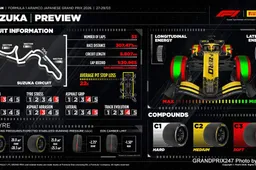
Because of its high-speed corners, Suzuka’s layout has a way of putting immense pressure on tyres. The lateral forces mean tyres wear faster, and if any driver will perform well on this track their strategy has to include how to effectively manage the wear.
Unlike other tracks with long straights and heavy breaking zones, what matters most here is the flow. This means there is not much opportunity for overtaking, which means every driver will have to be on top of track position to end well. If you fail to qualify well, you may already be losing your chance of winning in the race.
Another important thing to note about the track’s layout is the pit-stop strategy. It involves a team learning how to effectively balance track position with tyre life, and having excellent knowledge of the best time for undercut. Gran Prix is known for tight margins, so it’s only drivers with good strategy that manage to tip the scales.
Top Contenders for Victory in 2026
As the Grand Prix weekend draws closer, fans already have their eyes on certain players, tipping them to come out well in the race.
Season Favorites: Who Arrived as the Leader?
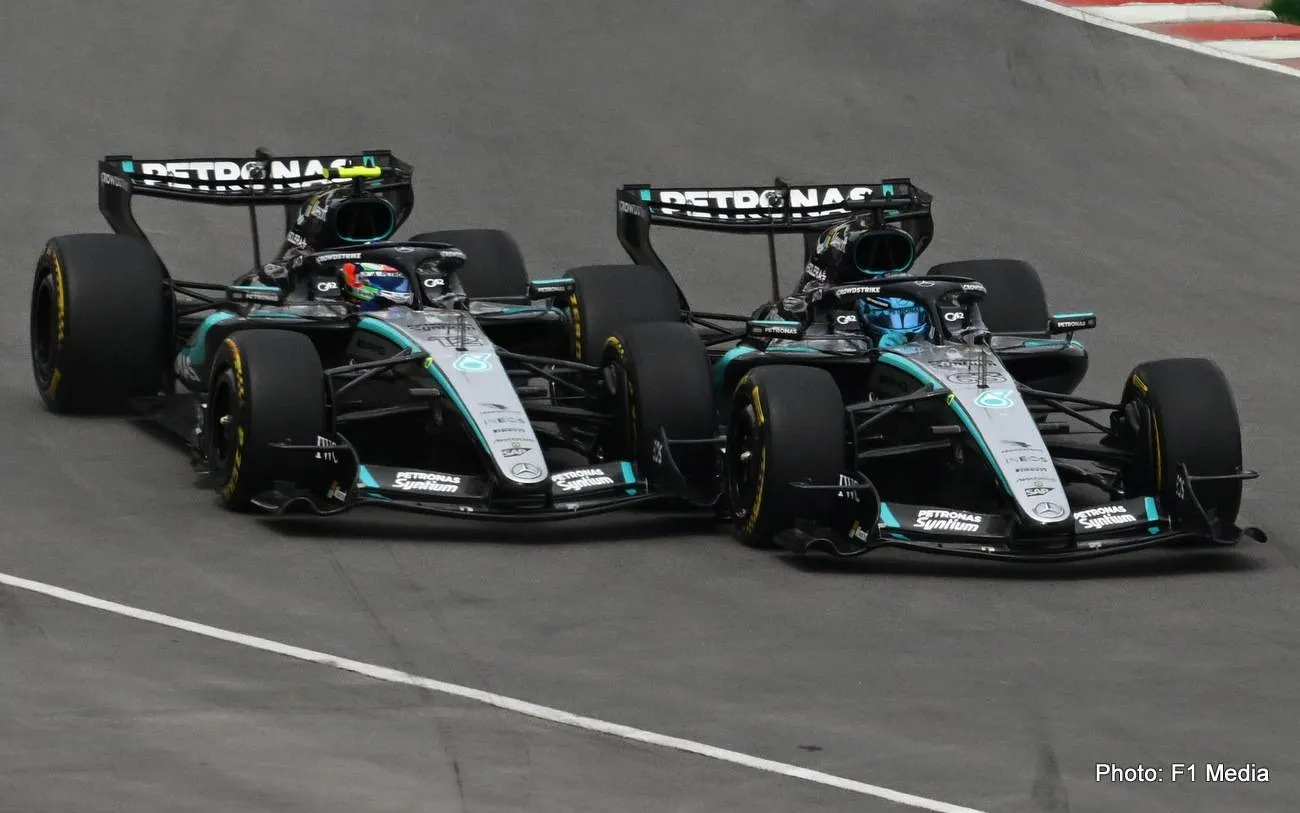
The early part of the season has been full of surprises already. Many people’s expectations have been dashed with lots of defining moments taking the center stage. For instance, against many people’s expectation, Mercedes has been doing incredibly well, and with the way they are going, they might carry the same momentum into Suzuka.
George Russell has also been exceptional so far. He has demonstrated impressive consistency over the last few races, and his ability to manage races has quickly made him a real contender here, especially on a track that has a history of favoring clean driving.
Then there’s Kimi Antonelli. Though new and of little experience, Antonelli has been making headlines already. Winning early in the season, he has been able to convince fans that his level of confidence is nothing compared to his years. Yes, Japanese Grand Prix will put a lot of pressure on him. It’s going to be a real test on his content. But with his present form, we might all be in for surprises from him.
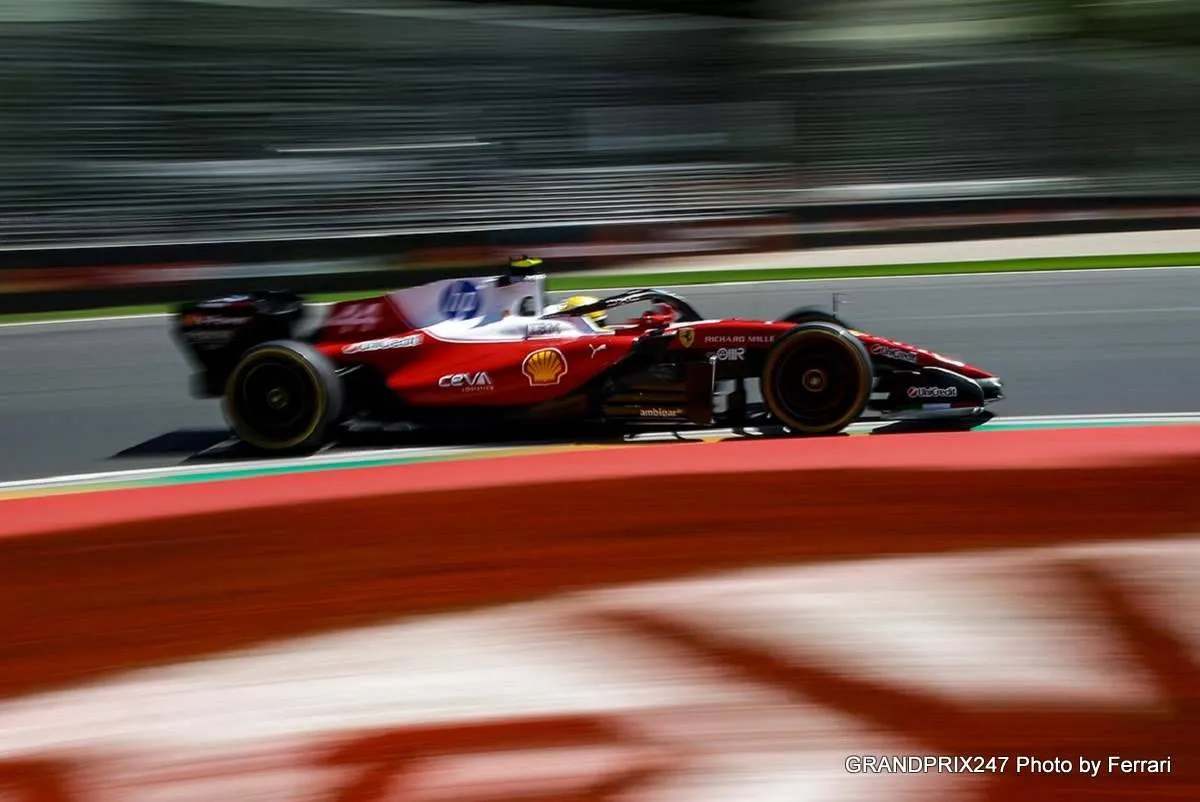
Ferrari are not far behind. Lewis Hamilton and Charles Leclerc are both experienced and fast drivers. So they seem to have what it takes to excel. Hamilton, in particular, has a good record with Suzuka, and knows just how to pull up a great performance on technical circuits.
Other drivers to keep an eye on include:
- Lando Norris – looking to bounce back after a slow start
- Oscar Piastri – capable of strong race pace
- Max Verstappen – despite recent struggles, still a threat on any weekend
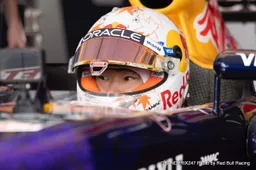
Home Hero: Yuki Tsunoda
Yuki Tsunoda is a popular name when it comes to the Japanese Grand Prix, and we cannot talk about the event without mentioning him. Even though this year he will watch from the Red Bull garage where he is reserve for the team as well as the sister outfit Racing Bulls.
Racers are not only motivated when they race at home, they also come under intense pressure to deliver and impress the audience. But with the support from local fans, they can scale through and make the best of the situation.
Tsunoda is already familiar with Suzuka. He tends to know the track very well, and that can be a great advantage for him. While he may not be the one everyone is tipping for victory here, he might end with a strong points finish or even pull up a great surprise on the audience.
For fans, Tsunoda is not just another driver. He actually serves as a solid bridge connecting Formula 1 and Japanese motorsport culture.
Risk Factors: What Could Go Wrong?
With so much anticipation and predictions that have gone ahead of the race, there are some unforeseen situations that can turn things around really fast.
Japanese Weather
Even though many people tend to ignore it, the weather is always a major challenge in Suzuka, and we may not have anything different in 2026. Even though the race no longer holds in autumn – has been moved to spring – rain is still a strong possibility.
Having wet conditions at Suzuka can quickly turn the race into a completely different scenario. Tyres begin to experience less grip, visibility becomes challenging, and even the best drivers may find it really hard to be in control.
Wet conditions are no joke here at Suzuka. It can completely redefine the fate of a race. When the ground is wet, grip levels drop significantly and visibility becomes an issue for the drivers. At this point, even the best racers can struggle to stay in control.
Errors on the Edge: Common Crash Zones
Suzuka is unforgiving. Its fast, flowing layout means there’s very little margin for error.
The most dangerous sections include:
- The Esses – where rhythm is everything
- Degner corners – tight and technical
- Spoon Curve – long and easy to misjudge
- 130R – high-speed and high-risk
One small mistake in any of these areas can cost valuable time, or even end a race altogether. That’s why Suzuka is often described as a driver’s track. It doesn’t just test speed. It tests focus, consistency, and mental strength over every lap.
Final Forecast: Who Will Take the Podium?
After two races in the season, fans are beginning to see who and who are doing well behind the wheel. But even with that, Suzuka has a habit of rewriting things. With the combination of technical corners and uncertainties like possible rainfall, the Japanese Grand Prix may not go as many had expected.
Our Top 3 for Sunday’s Race
Based on current performance, track characteristics, and early-season momentum, here’s a realistic podium prediction:
- George Russell (Mercedes): Right from the beginning of the season, Russell has been promising. His smooth driving style looks like what Suzuka often favors, and looking at Mercedes’ current pace, he might be having a real edge here. If he qualifies well, he’ll definitely be a hard nut to crack.
- Charles Leclerc (Ferrari): Recently, has delivered when it comes to cornering. And this can be an edge on a track like this. With Leclerc’s recent precision, he could be a serious contender if there is no rain.
- Kimi Antonelli (Mercedes): Another driver that has been impressive so far is Antonelli. While the rookie will be battling it out on a more challenging track, his confidence and recent performances are enough to show how much of a surprise he can also be.
FAQs
What time is the Japanese Grand Prix 2026 in the UK?
The event will happen on Sunday 29 at around 6:AM GMT. According to an official statement from the organizers, fans can watch it live on Sky Sports F1. And for highlights, that will be on Channel 4.
Why is Suzuka such a tough track in F1?
The ground has a technical section, high-speed corners, and very little room for mistake. For any driver to come out strong here, they must maintain rhythm and precision across all the laps, and that is not an easy hill for drivers.
Who has been most successful at the Japanese Grand Prix?
History has the likes of Lewis Hamilton and Ayrton Senna as people who enjoyed great success in the circuit. But in this recent world, that credit will go to Max Verstappen.
Latest News







Loading