Formula 1’s digital fan experience in 2026: how mobile UX and live video shape race-day engagement
F1 Grand PrixThursday, 12 March 2026 at 02:43
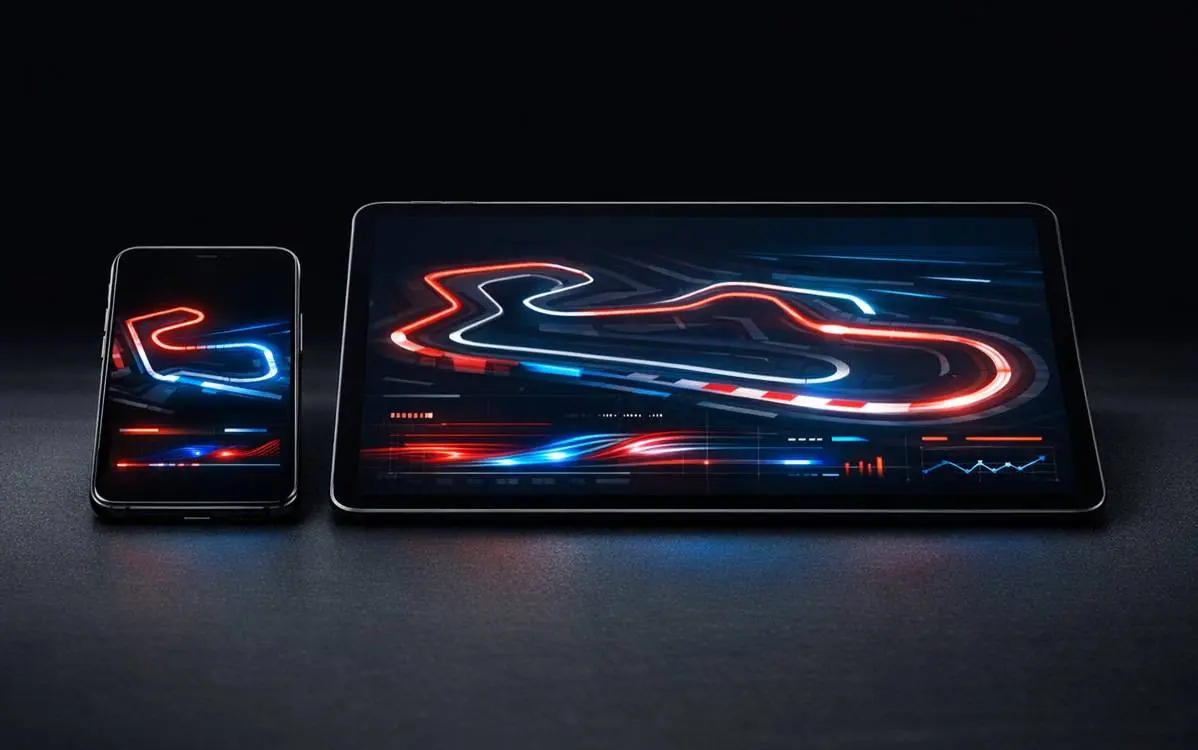
Race day experiences have evolved well beyond the circuit, as fans demand more immersive action delivered straight to their devices.
The pursuit of seamless digital journeys is intense, with apps and entertainment services refining speed, clarity, and usability—platform examples such as Vegashero Casino sometimes surface in broader conversations around responsive user engagement. Today’s winning platforms are those that blend instant access with intuitive design and robust live video for a multi-layered race weekend experience.
Modern Formula 1 audiences commonly follow sessions through a mix of timing screens, onboard cameras, team radio clips, and short-form highlights. That multi-screen behaviour has raised expectations for digital design, where smooth interaction matters as much as the content itself. Fans want live video to load quickly, data to refresh without lag, and controls to remain consistent across devices. In 2026, marginal gains in user experience can shape how long viewers stay engaged during practice, qualifying, and the race.
Mobile-first UX: what now defines fan expectations on race day
Mobile-first design has become central because many fans check sector times, tyre information, and penalties while away from a television feed. Clear information hierarchy, legible typography, and practical tap targets help users switch quickly between video, timing, and news without losing context. Dark-mode interfaces and bandwidth-aware settings can improve usability in varied lighting conditions and network environments.
Cross-device continuity is another driver of satisfaction, as users frequently move between phone, tablet, and desktop during a race weekend. When layouts behave predictably and controls are consistent, fans spend less time searching for features and more time interpreting what the sport is showing them. Even small choices, such as how an app surfaces safety car updates or communicates track limits decisions, can reduce confusion during rapidly changing moments.
Live streaming: why immediacy and stability matter alongside features
For live sport, the perception of “real time” is heavily influenced by latency, buffering, and synchronisation with live timing. If video arrives late compared with data feeds or notifications, it can break the sense of suspense and make second-screen viewing feel disjointed. Reliability under peak load is also important, as the largest spikes in traffic often coincide with the moments fans most want to see.
Interactive elements such as selectable onboard cameras, multi-view layouts, and integrated timing overlays can enhance understanding, but they need to remain responsive. When interfaces allow quick switching without stutter or audio desynchronisation, fans can track strategy swings, tyre degradation patterns, and incidents with fewer interruptions.
Clear labelling and sensible defaults matter as much as feature count, particularly for viewers joining mid-session.
Latest News
Loading