How Data Driven Race Strategy Decisions Are Shaping Modern Formula 1 Results
F1 NewsThursday, 12 March 2026 at 02:37
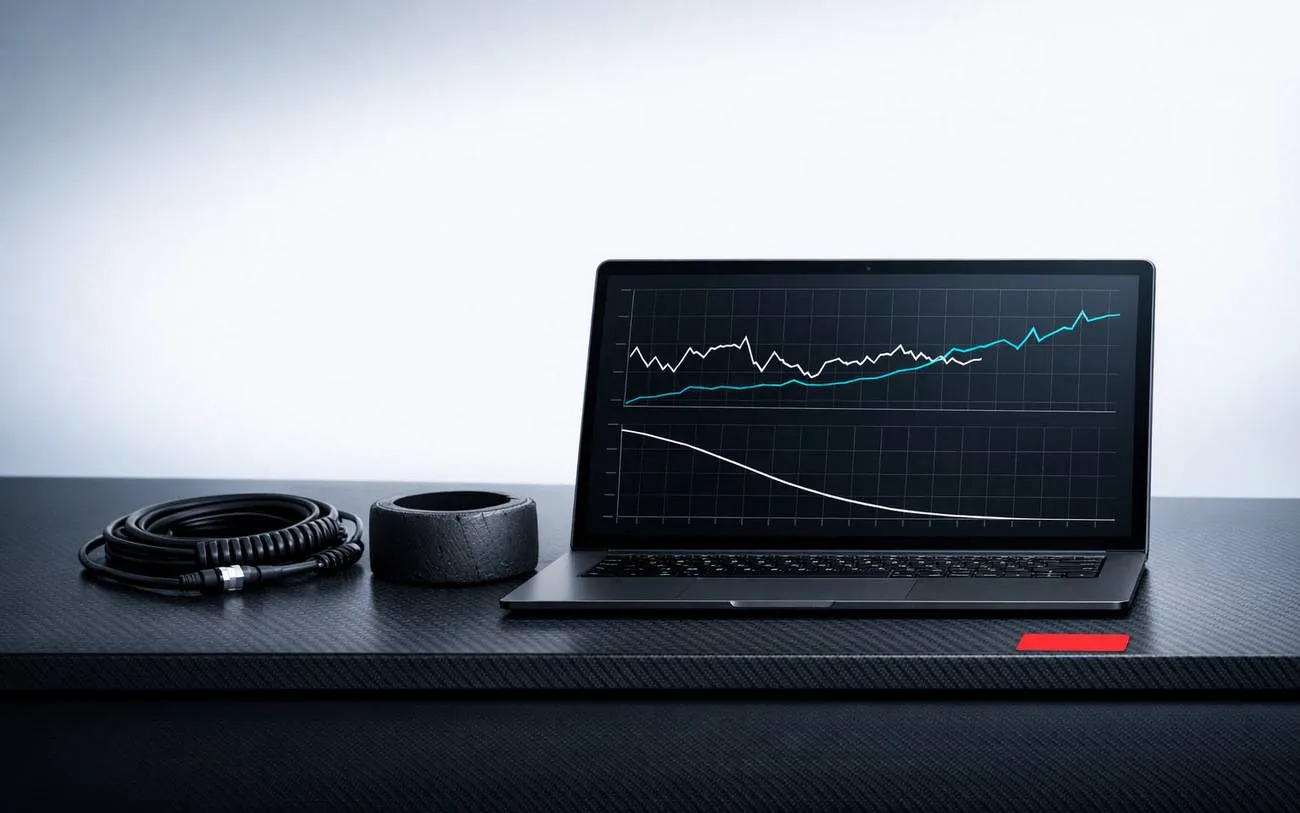
Formula 1’s competitive edge is no longer determined solely by top speeds or technical prowess. Teams now employ large-scale data analysis to develop race strategies that can directly influence results at the chequered flag. Data-driven thinking has made strategy a critical pillar alongside car performance and driver skill.
Gone are the days when tactical decisions relied largely on instinct or limited live information. Teams leverage extensive real-time telemetry and predictive models to inform their strategy calls. With dozens of variables at play, from tyre temperatures to traffic projections, the line between calculated risk and game-changing opportunity is drawn finer lap by lap. In today’s high-stakes environment, strategic nuances can unfold in milliseconds. This shift has made fans and analysts more attentive to how small tweaks in data-driven race strategies can tilt the outcome of any Grand Prix, similar to how alternative spread meaning NBA can clarify the effect of small adjustments on outcomes in another competitive field.
Strategic value of data as a performance lever
Race outcome variability now depends not only on outright speed but also on how effectively teams can adapt to changes on track. By integrating data-driven race strategies into preparation and execution, teams expand their options to outperform rivals on the pit wall as much as on the circuit itself. For example, identifying potential pit windows or undercut opportunities requires real-time assessments, using historical data and scenario simulations. This predictive approach facilitates rapid adaptation when unforeseen events, like a sudden yellow flag or shifting track evolution, disrupt initial plans.
Telemetry feeds, timing systems, and advanced tyre models provide engineers and strategists with the tools needed to respond promptly. The margin for error is minimal, so turning large volumes of data into decisive action is crucial. Understanding and managing factors such as traffic and changing weather has become an integral part of F1 strategy today.
Dynamic planning from grid to chequered flag
Pre-race strategy trees are established ahead of lights out, mapping possible responses based on simulated conditions, tyre performance histories, and expected pace trends. These frameworks are designed to be flexible, with engineers refining them as live telemetry and competitor movements come in. This constant recalibration is essential amid motorsport’s unpredictable nature, factoring in variables such as track temperature, tyre degradation, and evolving strategies from other teams.
Understanding F1's rigorous tactical nature includes observing how live scenario simulations challenge prior assumptions. Teams must account for the occurrence of safety cars or virtual safety cars, sudden drops in tyre performance, and the need for fuel or energy management recalibration. Real-time data allows for rapid changes so that data-driven race strategies can capitalise on new opportunities. Success depends on balancing model-driven recommendations with on-track reality as it develops.
Track position, tyre models, and overtaking risk
One frequently debated area is the reasoning behind pit stop timing and calculations relative to rivals. The undercut versus overcut discussion weighs factors including a fresh tyre’s warm-up phase and the likelihood of rejoining in traffic or clean air. Teams run multiple simulations, balancing projected gains with risks such as traffic, pit lane congestion, or race interruptions. Because overtaking is often impacted by timing within the strategy window, a small misjudgement or delay can prove decisive.
Strategists carefully manage tyre wear profiles and monitor live telemetry on driver patterns, fuel differentials, and energy deployment with every lap. Lap time targets are informed by both data models and feedback, constantly shifting and affecting decisions such as executing an undercut or defending position. Data-driven race strategies now underpin most tactical calls made from the pit wall, demonstrating the influence of precise information when it comes to overtaking and defending throughout the grid.
Decision-making under pressure and the human factor
While data shapes every lap, the human element in racing remains important. Strategy officers and engineers still make crucial decisions with incomplete information. Models cannot predict every safety car or sudden weather change in precise detail. Teams often blend statistical insight with experience, judging when to diverge from model outputs to seize a chance or reduce risk. Efficient communication under pressure ensures drivers receive relevant guidance as circumstances change rapidly.
Differences in analytical resources and operational execution continue to create gaps in tactical performance between teams. Even among the frontrunners, how closely simulation matches real-world events shapes each squad’s unique approach. These distinctions explain why data-driven race strategies can sometimes lead to unexpected results, with smaller teams occasionally outmanoeuvring larger competitors through sharper adaptation. As technology advances, the interplay between human judgement and automated analysis is set to deepen, raising the complexity for everyone involved in Formula 1.
Latest News


Loading