Just a decade ago, Formula 1 was often viewed as a sport followed mostly by hardcore motorsport fans and petrolheads. In 2026, the situation looks completely different.
Formula 1 has transformed into one of the world’s fastest-growing entertainment industries, attracting millions of new viewers across different age groups and countries.
Today, F1 is no longer only about racing - it is also about culture, technology, fashion, media, and lifestyle, much like modern digital entertainment platforms such as mafia casino that combine excitement, accessibility, and immersive online experiences.
The modern Formula 1 audience is dramatically different from what it used to be. Years ago, the sport relied heavily on traditional television broadcasts and long-established European fanbases. While those supporters still remain loyal, Formula 1 has successfully expanded into entirely new markets and demographics.
Younger viewers now consume F1 content through TikTok, YouTube, Instagram, podcasts, streaming platforms, and social media clips rather than through conventional sports coverage. Formula 1 understood this shift earlier than many other sports organizations and adapted quickly to the digital era.
One of the most important turning points in the sport’s modern history was the arrival of Formula 1: Drive to Survive on Netflix. Before the documentary series launched, many casual viewers considered Formula 1 difficult to understand.
Talking technical

Technical regulations, tire strategies, aerodynamics, and team politics often felt overwhelming for newcomers. The Netflix series changed everything by focusing on the human side of the sport rather than only the racing itself.
Instead of simply showing lap times and podium celebrations, the series highlighted:
- rivalries between teammates;
- pressure inside top teams;
- emotional moments after victories and crashes;
- contract drama and driver transfers;
- the personalities behind the helmets.
This storytelling approach helped millions of people connect emotionally with Formula 1 for the first time. Fans who previously knew nothing about racing suddenly became invested in drivers and teams because they understood the stories behind them. The show transformed Formula 1 into a year-round entertainment product rather than a championship people followed only on race weekends.
The impact of Netflix was especially visible in the United States. Formula 1 had spent decades trying to establish itself in America but struggled to compete with NASCAR, the NFL, NBA, and other domestic sports.
After Drive to Survive, interest exploded across the country. The United States now hosts multiple Grands Prix, including races in Miami, Austin, and Las Vegas, each attracting enormous crowds and celebrity attention.
Las Vegas Grand Prix

The Las Vegas Grand Prix perfectly represents Formula 1’s transformation into a global entertainment spectacle. The event combines racing with concerts, luxury hospitality, nightlife, and massive media coverage.
It feels more like a Super Bowl weekend or a global music festival than a traditional motorsport event. Formula 1 realized that modern fans are looking for experiences, not just sporting competitions.
Another huge factor behind Formula 1’s popularity is social media. The sport embraced platforms like TikTok, Instagram, YouTube Shorts, and X at exactly the right time.
Short-form content helped Formula 1 reach audiences who may never sit through an entire two-hour race but still engage with highlights, crashes, overtakes, team radios, and behind-the-scenes moments.
Some of the most viral Formula 1 content today includes:
- dramatic radio arguments between drivers and engineers;
- onboard battle footage;
- pit stop videos;
- funny moments in the paddock;
- driver interviews and memes;
- strategy breakdowns explained simply for casual fans.
This constant stream of content keeps Formula 1 relevant every single day of the year, even during the offseason. Fans no longer interact with the sport only on Sundays. Instead, Formula 1 became part of internet culture itself.
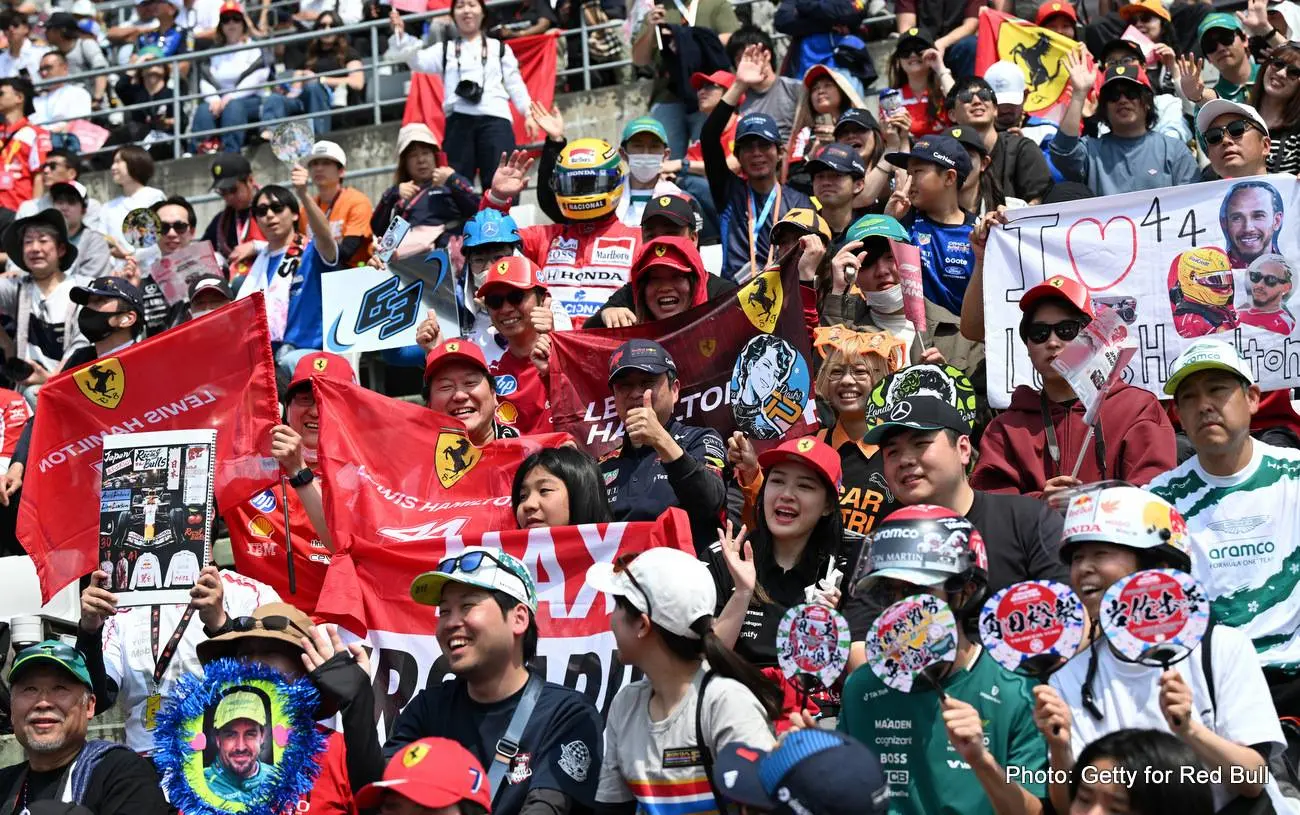
Drivers also play a much bigger role in the modern success of Formula 1. Today’s F1 stars are not simply athletes — they are global celebrities and influencers with enormous online followings. Lewis Hamilton helped push Formula 1 into fashion, activism, and mainstream celebrity culture.
His collaborations with luxury brands and appearances at major events made him one of the most recognizable athletes in the world.
Meanwhile, younger drivers such as Lando Norris and Charles Leclerc helped Formula 1 connect with Gen Z audiences. Norris became especially popular through gaming streams, online humor, and a more relaxed personality that felt relatable to younger fans.
Historic rivalries and modern audiences

Modern audiences want athletes who feel authentic and accessible, and Formula 1 drivers now interact with fans more directly than ever before.
Max Verstappen’s dominance also contributed significantly to Formula 1’s visibility. Whether fans support him or dislike him, dominant athletes always generate attention.
Verstappen’s rivalry with other drivers, combined with Red Bull’s technical superiority, created endless discussions online. Formula 1 thrives on narratives, and dominant champions often become central characters in those stories.
At the same time, rivalries remain one of the sport’s greatest attractions. Formula 1 has always depended on conflict, tension, and personality clashes to capture public attention.
Historic rivalries like Senna vs Prost or Hamilton vs Rosberg became legendary because they extended beyond racing itself. Modern Formula 1 continues this tradition through fierce on-track battles and political tensions between teams.
Fans are drawn to Formula 1 because every race weekend contains multiple storylines happening simultaneously:
- championship battles;
- technical controversies;
- driver contract rumors;
- team strategy conflicts;
- weather unpredictability;
- media pressure.
Unlike many sports where only the final result matters, Formula 1 creates drama at nearly every level of competition.
State-of-the-art technology rules in Formula 1

The technical side of Formula 1 also remains incredibly important. Even casual viewers are fascinated by the advanced engineering involved in modern F1 cars.
Formula 1 represents the absolute cutting edge of automotive technology, combining hybrid power units, aerodynamics, artificial intelligence, data analysis, and precision engineering into one global competition.
The 2026 regulations generated huge excitement because they introduced major technical changes designed to improve racing and sustainability. Fans love periods of regulatory change because they create uncertainty. Nobody knows exactly which teams will adapt best, and unpredictability always increases interest.
Modern Formula 1 cars are engineering masterpieces capable of extraordinary performance. Even people who are not hardcore motorsport fans appreciate the speed, danger, and technological complexity involved.
Formula 1 successfully balances sport with innovation, which helps attract audiences interested in technology as well as entertainment.
Another major reason behind Formula 1’s rise is the globalization of the championship. While Europe remains the traditional center of the sport, Formula 1 now has enormous audiences in:
- North America;
- the Middle East;
- Asia;
- Latin America;
- Australia.
Streaming platforms removed geographical limitations completely. Fans anywhere in the world can instantly watch races, highlights, interviews, and analysis. Social media also created international communities where fans discuss races together regardless of location.
Younger viewers attracted to the sport

The younger demographic growth has been particularly important. Formula 1’s average audience age dropped significantly over the past few years.
Younger viewers consume sports differently compared to previous generations. They prefer fast-paced digital content, emotional storytelling, and constant engagement across multiple platforms.
Formula 1 adapted perfectly to these expectations by creating:
- short-form video content;
- behind-the-scenes documentaries;
- interactive social media campaigns;
- esports competitions;
- podcasts and digital shows;
- direct fan engagement online.
The esports side of Formula 1 also deserves attention. Sim racing became extremely popular during recent years, especially among younger audiences. Many fans who discovered Formula 1 through gaming eventually became regular race viewers. The connection between gaming culture and motorsport continues growing stronger every season.
Formula 1 marketing sets the benchmark

Fashion and celebrity culture also pushed Formula 1 into mainstream entertainment. The paddock today looks dramatically different from twenty years ago.
Luxury brands, influencers, musicians, and actors regularly attend race weekends. Formula 1 races became social events where networking, fashion, and entertainment are almost as important as the racing itself.
Lewis Hamilton played a major role in this transformation by helping connect Formula 1 with global fashion culture. Brands that previously had little connection to motorsport suddenly saw Formula 1 as an attractive marketing platform.
Younger audiences who may not care deeply about racing still engage with the sport because of its lifestyle appeal.
The visual presentation of Formula 1 also improved massively. Modern broadcasting technology provides incredible onboard footage, detailed graphics, team radio integration, and cinematic camera angles. Watching Formula 1 today feels far more immersive than it did a decade ago.
Even the way races are marketed changed dramatically. Formula 1 now promotes emotion and entertainment just as much as technical competition. Race trailers, dramatic music, social media teasers, and cinematic storytelling help build anticipation before every Grand Prix weekend.


Latest News


Loading