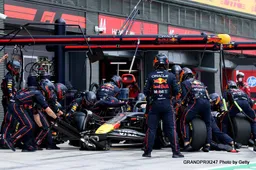
Jumping out of airplanes or betting your whole life savings is nothing short of insane—or is it? High tension moments can feel euphoric, but what is it about these moments of chaos that gives us a rush unlike anything we’ve experienced?
The answer is likely found in our biology and our brains, and in how we respond to challenges. In this blog, we will explore the reasons behind the risk we take, the reward we chase, and the psychology behind victory.
The Biological Drive Behind Risk
It’s the getaway after an insane heist or a risky wrestling match that gives us a lifeline to hope, and in risky moments like these, the chemical dopamine is unleashed in excess. With the help of dopamine, every moment of danger is coupled with reward — Risk, Reward, Repeat.
That’s why platforms like MelBet Casino can feel so exciting—the thrill of the unknown taps into the same reward system. This cycle is what makes high-stakes situations addictive for some. The win doesn’t just feel good — it chemically reinforces the behavior.
Not only dopamine, but the body’s stress response lets us feel the giddy rush of rapid heartbeats and sharper focus. That intense physical state isn’t fear—it’s readiness. Each of these reactions is a built-in reward system that fuels high performance. For adrenaline junkies, this clarity becomes the goal. This is the biology behind “hard-wiring” peak performance.
The Role of Personality Traits
While our body gives us a giddy rush and reward to accomplish “dangerous” tasks, not everyone perceives risk in the same way. The majority of people perceive high-pressure situations as boring, yet a small group can feel ecstatic and overwhelmed with joy.
What makes the difference? Research points to traits like:
- Sensation-seeking: Always looking for new, exciting experiences.
- Impulsivity: Making decisions quickly, without considering long-term consequences.
- Low harm avoidance: Less worry about negative consequences.
- Confidence bias: Underestimate the unexpected while overestimating skill at managing the situation.
These traits tend to be seen more with athletes, gamblers, and entrepreneurs. It is not about being reckless but rather about how the brain deals with unpredictability and the possibility of reward.
Emotional Rewards and the Psychology of Victory

Risk is not about the limits, but rather the aftermath. Success feels greater when the risks are heightened, and there is always that mental payoff – the adrenaline, pride, and the sense of identity, which also acts as emotional healing. That post-win clarity is hard to match.
You remember the risk because it forced you to focus. You remember the reward because it felt earned. For some, it becomes a loop—higher risk, more profound meaning, stronger identity. It's not just about beating others, it's about proving something internal.
Overcoming Fear as a Form of Empowerment
Fear acts as a genuine barrier. In the case of risk, it tends to be the chase of an experience. It is most definitely a personal battle. The feeling is earned, and in this case, you are not just avoiding failure. Instead, you are battling the fear, which is essentially tackling the risk.
Overcoming that internal barrier is often the most challenging aspect for many athletes and performers. It is more about silencing the critic within than overtaking rivals. The struggle shifts to within oneself. The confidence gained from overcoming that fear is immensely impactful, far beyond the field or arena.
Social Validation and Recognition
The feeling of winning while under pressure is advantageous to oneself and the person. There is also a public aspect to it. It attracts public attention. Games like the MelBet vampire curse game capture that same energy—the tension, the risk, and the thrill of pulling off a win.
Not only fans, but also teammates and sometimes even critics have a different perception when a winning risk is taken. That recognition or validation sets the identity and motivation for an individual.
The highlight of validation might appear to hold shallow substance, but it is a very human trait. Not only does it boost the image of a person in society, but it also honors the individual for overcoming challenges.
That also helps in boosting one’s social image, earning great respect and admiration. All of these combined after great victories serve as validation. It serves as motivation to compete in more challenging moments.
Cultural Influences on Risk Perception

Their cultural background highly influences people’s perception of risk. In the context of the US, risk is usually linked with success, and boldness is generally rewarded.
Countries like Japan, on the other hand, view failure as carrying greater social weight. These cultural beliefs influence how an athlete trains, competes, and most importantly, responds to a loss.
As with other aspects of life, countries approach risk management in sports differently. Some nations celebrate bold, aggressive tactics and comeback stories, while others emphasize safety, structure, and discipline.
This affects coaching, player development, and the overall approach toward risk in a given sport. Context is crucial: what feels bold and valiant in one location may be seen as reckless in another.
What This Reveals About Human Nature
Risk is not taken for the sake of fun. Usually, the effort is made to prove something to themselves or others. The possibility of having an impact is what motivates people most, and risk is a method of stepping forward. The bigger the risk, the greater the potential reward.
It’s not about recklessness—it’s about purpose. People want to feel like their actions carry weight. Risk creates that opportunity. When the outcome is uncertain, every move matters more. That pressure sharpens focus and gives the result deeper meaning.
Latest News



Loading