Tactics, Timing, and Uncertainty: Where Racing and Gaming Align
F1 NewsWednesday, 13 August 2025 at 02:39
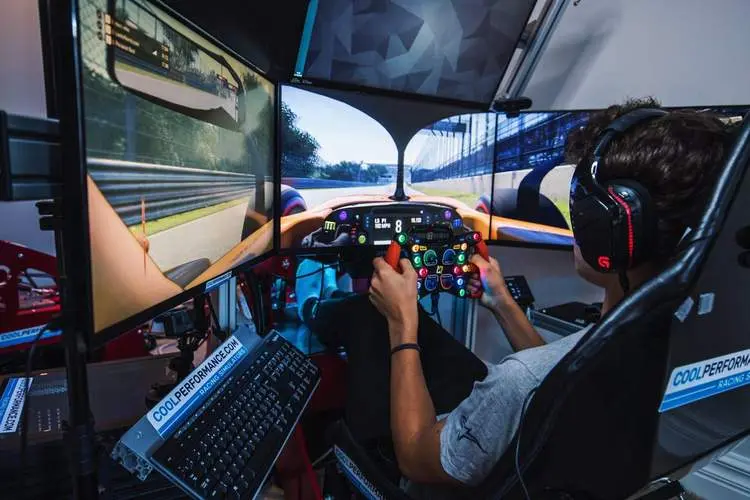
Racing is often seen as raw instinct, a foot to the floor, eyes down, heart-pounding dash to the finish in real life that is, but there is also the virtual gaming side that is booming.
But anyone who’s watched racing unfold over 300 kilometers of tarmac knows that instinct alone won’t cut it. Beneath every late-braking move or tire gamble lies something more calculated: strategy, timing, and a tolerance for unpredictability.
Surprisingly, that same mix is what defines some of the most enduringly popular games out there. Not the fast-twitch, button-mashing kind.
The ones where you don’t just win because you showed up, you win because you stayed sharp. Because you read the room, made the right move, and knew when to hold steady or go all-in.
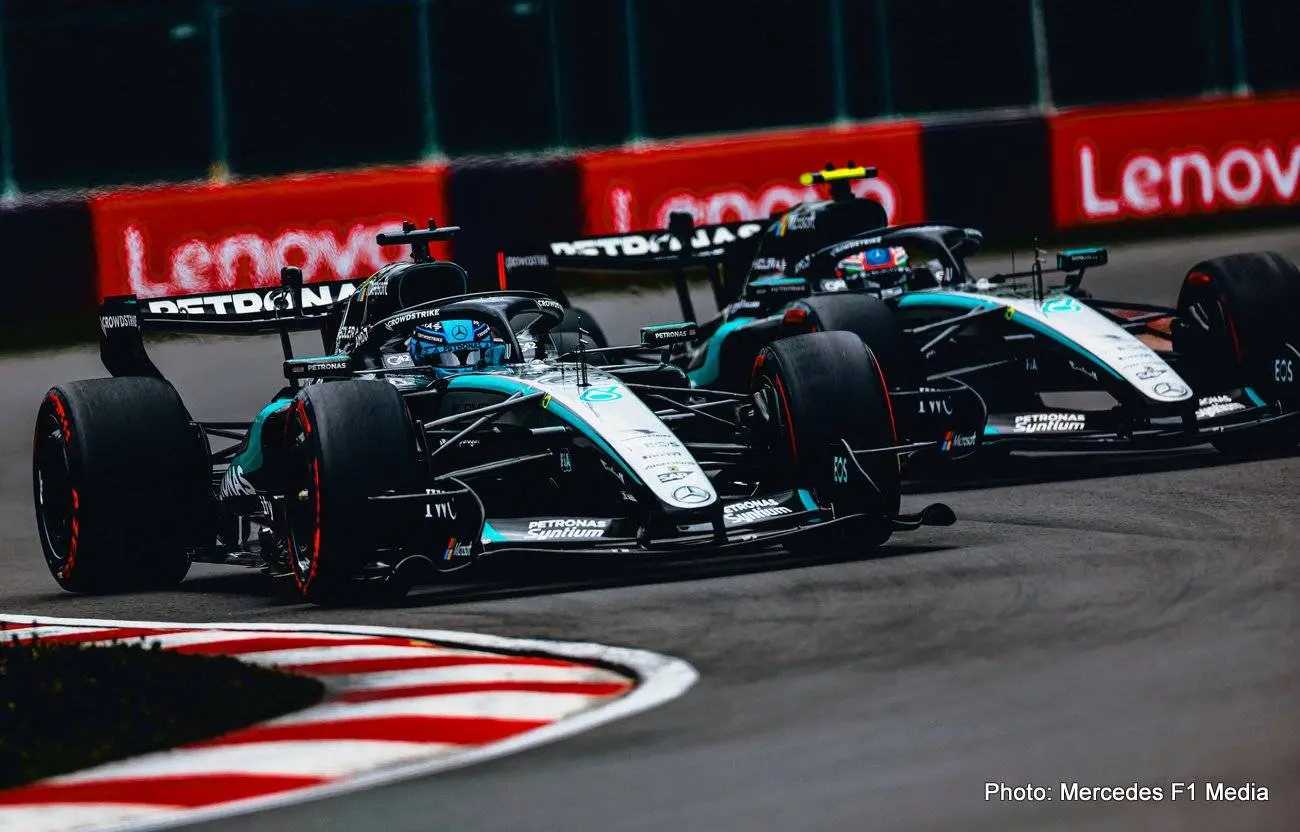
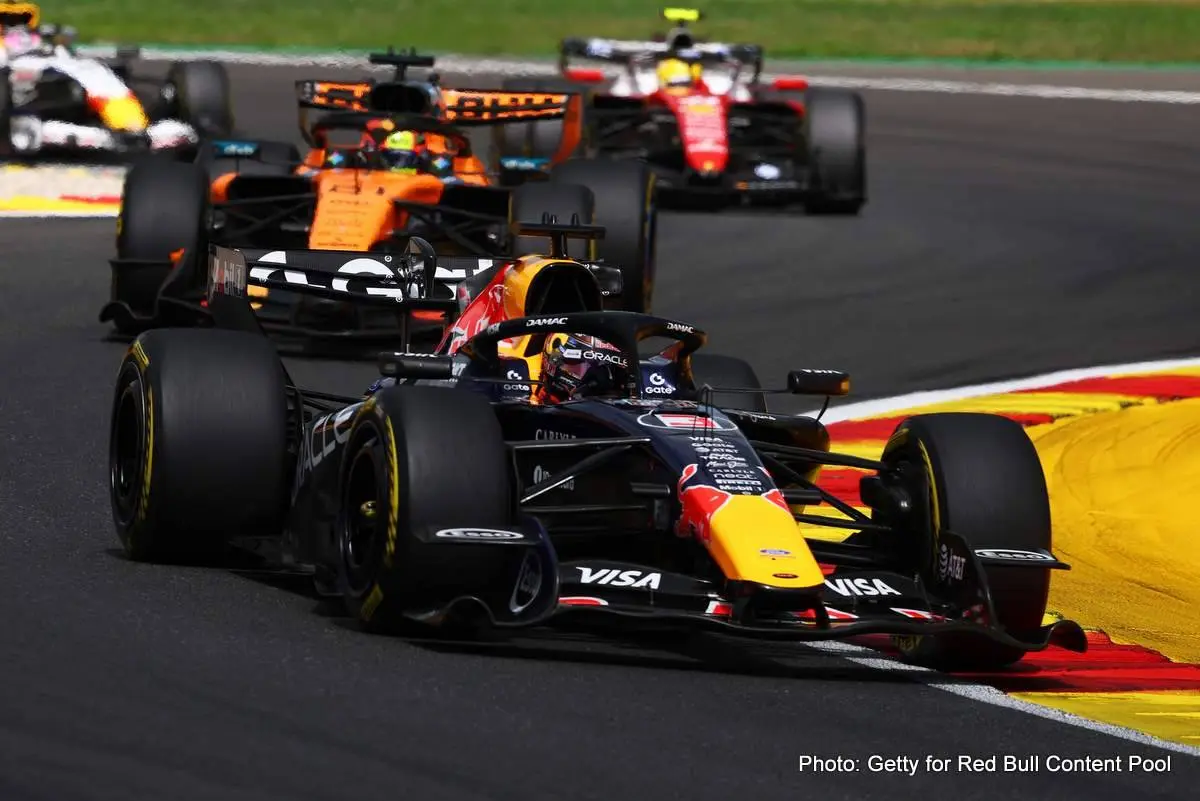
In racing, tactics aren’t confined to pit walls. Drivers play their mental chess at 300 km/h. Think about how a racer approaches a drying track with slicks, or how they size up a slower car before committing to a risky pass.
The Best Racing Drivers Don’t Just React, They Anticipate

They’re not gambling they’re calculating in real-time. Not everything is controllable, and that’s the point. It’s how they adapt that counts.
It’s the same in smartly built games. Especially ones where you’re not just spinning reels mindlessly, but navigating an environment full of potential triggers, multipliers, or risk-reward mechanics. You learn patterns, weigh probabilities, and then, when the time feels right, you act.
The trick isn’t removing randomness. It’s balancing it. Great racing and great games both rely on this tension. You want skill to matter, but not so much that outcomes feel predetermined.
Uncertainty creates drama. It’s why a race that looked settled on lap 50 suddenly comes alive on lap 65. A backmarker stays out during a safety car. A frontrunner gambles on strategy. Suddenly, it’s wide open.
Where the experience feels more layered than luck alone, with features that simulate decision-making or anticipation. The game blends story, suspense, and a series of tactical decision features that keep players leaning in, not zoning out.
Competition and Uncertainty Keeps Us Engaged

You see echoes of that in games like Immortal Romance, where success isn’t just about luck, but about how well you adapt to its unpredictability. The game blends story, suspense, and a series of tactical decision features that keep players leaning in. And it’s not just a flashy title.
If you look at a proper Immortal Romance slot review, you’ll see why it’s lasted over a decade while others fade fast. The layers of features aren’t just decoration; they’re decision points. Just like a well-set car on a tricky circuit, it rewards those who know when to push and when to wait.
Both in racing and gaming, tiny decisions add up. Brake half a metre too late, and you miss the apex. Trigger a bonus too early, and you burn through a potential win. It’s not about huge swings; it’s about reading the moment.
This idea that pressure reveals precision is what makes both experiences addictive for the right kind of mind. Whether you’re on a track or watching a slot’s bonus round unfold, what hooks you is the feeling that you made the call. And that next time, you might make it even better.
There’s a reason why racing fans and gamers alike tend to value control above all. In both worlds, total control is a myth. Conditions change, variables shift, odds vary, but the illusion of influence is everything.
The space between control and chaos in racing is where the best stories unfold

We like feeling that we’re steering the outcome, even when we’re not entirely sure what’s around the next corner. That tension, that space between control and chaos, is where the best stories unfold. It’s also where the fun lives.
The best moments in racing often happen between the obvious highlights in the quiet execution of a strategy, or a decision made under pressure that no one notices until later. The same can be said for the games that endure: the ones that don’t scream for your attention but hold it anyway.
That’s where motorsport and certain types of gaming quietly align. Not in surface-level flash, but in structure. In how they respect your decisions and in how they reward your ability to think just a little further ahead than the competition.
Because in the end, whether it’s tyre wear or a timed bonus, one truth holds: it’s never just about the outcome. It’s about how you got there.
Latest News
Loading