Formula 1 likes to sell itself as the triumph of control. The cars are sculpted in wind tunnels, strategies are fed through vast computer models, and drivers prepare with almost monastic discipline.
On paper, you might imagine there’s no room left for fortune. But watch closely, and chance keeps sneaking in.
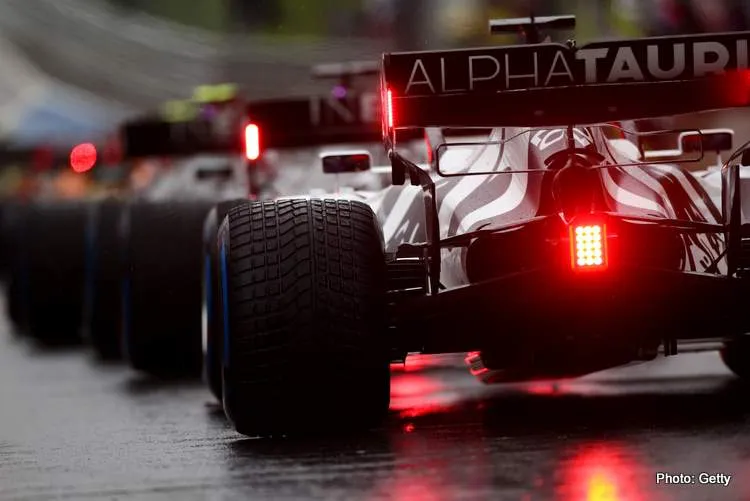
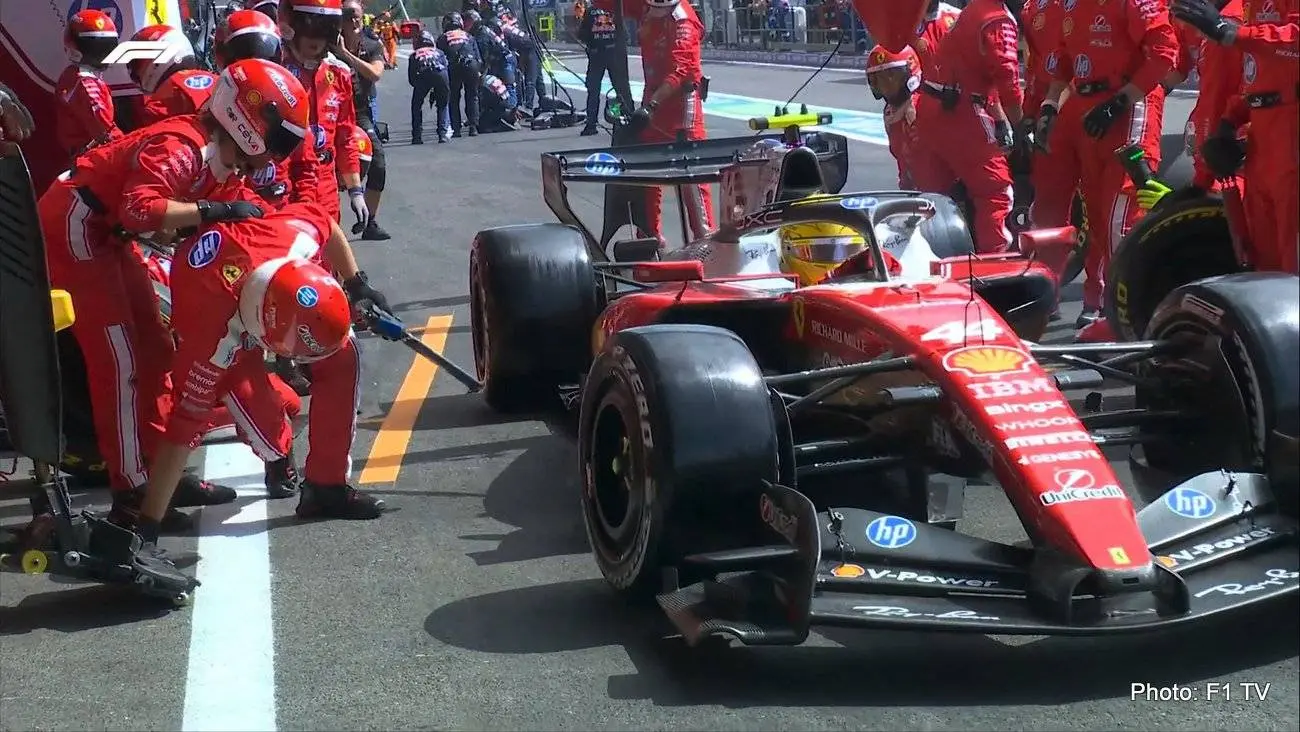
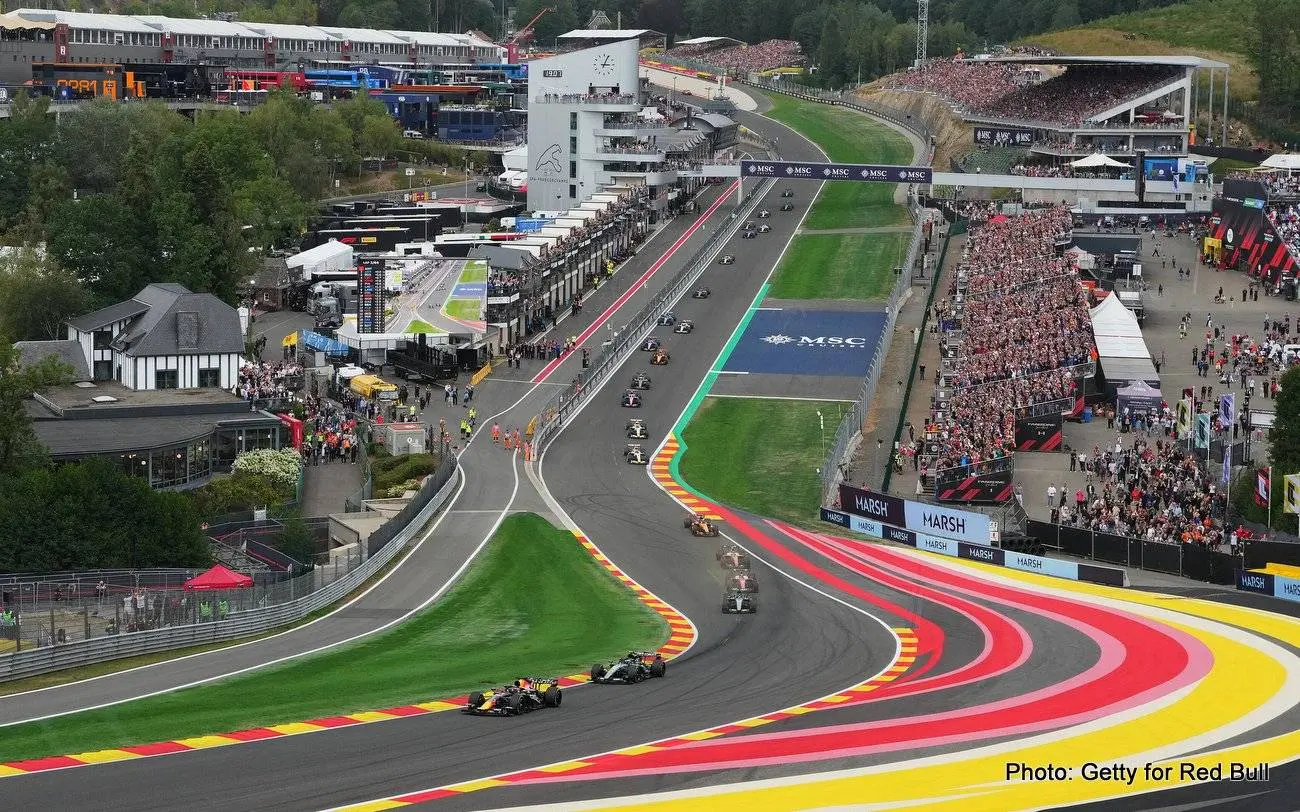
A sudden downpour at Spa, a wheel nut refusing to budge in Monaco, or a safety car appearing at the worst possible moment, these are the things no simulation quite captures. And oddly, they’re also the things that keep us hooked.
Control is Never Complete
Every team in Formula 1 believes it can manage risk down to the decimal. They calculate tyre life, measure fuel burn, and simulate strategy with astonishing accuracy. Yet the sport stubbornly resists being tamed.
A driver might pit at the perfect lap, only to rejoin behind slower traffic. A gust of wind can unsettle the car at precisely the wrong moment. Sometimes, the numbers simply don’t fall your way. That’s probability in action: a reminder that even the most polished plan is never foolproof.
And really, that’s why strategy in racing isn’t about eliminating luck. It’s about nudging the odds in your favour, and then living with whatever follows.
Probability Made Visible
We tend to think of probability as abstract, something hidden in textbooks or spreadsheets. Yet in Formula 1, it becomes visible. Should a team risk an early pit stop, gambling on a clear track, or stay out and hope the tyres hold on? Should a driver push for an extra tenth in qualifying, knowing the wall is always waiting?
These are not wild guesses. They are decisions made under uncertainty, where probability guides but never dictates.
The same logic is at work in places far removed from the roar of a Grand Prix. Games of chance, like probability-based gaming platforms not on BetStop, may appear simple at first glance. But the structure is familiar: choices are made without knowing the outcome, guided by odds but never guaranteed. Even something as straightforward as playing online keno for real money reflects the same principle: decisions shaped by probability, outcomes never fixed.
Why Unpredictability Matters
The races fans remember are rarely straightforward. Jenson Button’s victory in Montreal in 2011 came after hours of rain, safety cars, and setbacks that seemed impossible to overcome. Lewis Hamilton’s last-lap title loss in Abu Dhabi in 2021 showed how probability can swing a championship in a heartbeat.
These moments endure not despite the chaos but because of it. Formula 1 would be dull if it always rewarded the fastest car and the cleanest plan. Unpredictability is not a flaw in the sport; it is the very thing that makes it compelling.
Lessons Beyond the Track
There’s something broader here, too. In business, in finance, in everyday life, we make plans with incomplete information. Markets shift, supply chains break, trains run late. We live, like Formula 1 teams, in the gap between prediction and reality.
The lesson is not that planning is futile. It’s that probability that never disappears. The best performers aren’t those who avoid surprises; that’s impossible. They’re the ones who adapt quickly when surprises arrive. In racing, that might mean switching tyres at the right moment. Elsewhere, it could mean rethinking a project when conditions change.
When fortune meets fuel
Formula 1 astonishes with its speed and dazzles with its technology. But its real fascination lies in how it turns probability into spectacle. Every strategy call, every overtaking move, every lap is made under uncertainty.
Fans may admire the engineering, but what keeps them glued is the knowledge that anything can happen. And that, really, is probability’s great gift: unpredictability makes the outcome matter.
When fortune meets fuel, Formula 1 becomes more than racing. It becomes a study in chance, played out at 300 kilometres an hour.
Latest News
Loading