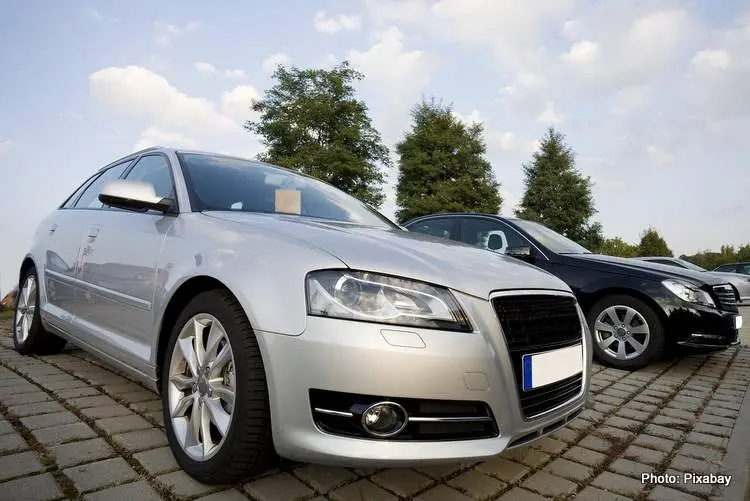
Buying a car feels like a huge step. It is exciting, but it can also be a little nerve-wracking. Having a solid buying a car checklist turns a stressful process into a confident purchase.
You want to drive off feeling great about your decision, not second-guessing it. This complete buying a car checklist will walk you through everything you need to know.
Before You Even Look at Cars
The most important work happens before you visit a single dealership. Getting your finances and priorities straight makes everything else easier. It prevents you from making emotional choices you might regret later.
Figure Out Your Budget
First, you need to know what you can truly afford. This isn't just about the monthly payment. You have to consider the total cost of owning the car, which includes insurance, gas, registration fees, and potential maintenance costs.
Before looking at vehicle finance or a car loan, get a copy of your credit report. A better credit score typically leads to lower interest rates on your auto loan. Knowing your score in advance gives you an idea of the loan terms you might qualify for.
A good rule to follow is the 20/4/10 rule. It suggests a 20% down payment, financing for no more than four years, and keeping total transportation costs under 10% of your gross income. A substantial down payment can reduce your monthly payments and lower the total interest you pay over the life of the loan. A total cost to own calculator can give you a much clearer picture of what a car will really cost you over time.
New Car vs. Used Car
This is a classic debate with good points on both sides. A new car has that amazing smell, the latest technology, and a full factory warranty. But, it also loses a significant chunk of its value the second you drive it away.
A used car can save you a lot of money upfront. The previous owner already took the biggest depreciation hit. However, you will need to do more homework to check that it is in good shape and research its history.
Another option is a Certified Pre-Owned (CPO) vehicle. These are gently used cars, inspected and certified by the manufacturer, that often come with an extended warranty. They offer a middle ground between the higher price of a new car and the potential risks of a standard used car.
| New Car Pros | New Car Cons |
| Latest tech and safety features. | Higher purchase price and sticker price. |
| Full manufacturer warranty for peace of mind. | Faster depreciation in the first few years. |
| No previous owner history to worry about. | Higher insurance premiums. |
| Used Car Pros | Used Car Cons |
| Lower purchase price saves money upfront. | May need repairs sooner than a new car. |
| Slower depreciation preserves more value. | Potentially hidden history of accidents or issues. |
| Lower insurance costs compared to new models. | Limited or no warranty coverage is available. |
List Your Needs and Wants
Think about your daily life. Do you have a long commute where good fuel economy is a priority? Do you haul kids and sports gear around, making a family car like an SUV or minivan the best fit?
Make a list with two columns: "Must-Haves" and "Nice-to-Haves." Must-haves could be all-wheel drive if you live with snow or a certain number of seats. A nice-to-have might be a sunroof, heated seats, or a premium sound system.
This list will keep you focused during your search. It prevents you from getting swayed by a sporty two-seater when you really need a practical vehicle for your family. Refer back to this list often to stay on track.
The Search for the Perfect Car
Now the fun part starts. With your budget and needs list in hand, you can begin looking for specific makes and models. Proper research here will save you headaches down the road.
Do Your Research
Once you have a few models in mind, it is time to learn about them. Look up reliability ratings from trusted sources. A source like Consumer Reports collects data from thousands of actual car owners to show you how different models hold up over time.
Check expert reviews on sites like Edmunds or Kelley Blue Book to learn about performance and features. Don't forget to read owner reviews to get a sense of the real-world experience. These reviews can reveal common frustrations or highlights that professional reviewers might miss.
Safety is also very important. Check safety ratings from organizations like the National Highway Traffic Safety Administration (NHTSA) and the Insurance Institute for Highway Safety (IIHS). The NHTSA performs crash tests and gives vehicles star ratings you can check online. These scores give you a good idea of how a car protects you in an accident.
Get Pre-approved for a Loan
This is a huge power move. Walking into a dealership with a loan pre-approval from your bank, a credit union, or an online lender is like having cash. It shows the seller you are a serious buyer and ready to make a deal.
Getting pre-approved gives you a benchmark for interest rates. You can see if the dealership's financing offer can beat the one you already have. This separates the car price from the financing, so you can negotiate each one on its own merit.
The pre-approval will tell you your maximum loan amount, the annual percentage rate (APR), and the expected loan terms. This lets you shop with confidence, knowing exactly what you can spend. It puts you in a much stronger negotiating position.
Your Ultimate Buying A Car Checklist: The Inspection
You have found a car that looks great on paper. Now you need to check if it is great in person. This part of the process should not be rushed. What you find here will decide if you move forward or walk away.
The Test Drive
A test drive is more than just a trip around the block. You should try to drive on roads you use every day, like your commute to work. Get on the highway to see how the car merges, accelerates, and handles at higher speeds.
Take at least 30 minutes to get a real feel for the vehicle. Try parking it and backing it up to check visibility and maneuverability. Use this time to test out all the buttons, screens, and features inside the cabin.
Here is what to pay attention to:
- Acceleration and braking: Does it feel smooth and responsive? Are there any strange hesitations or noises?
- Steering and handling: Is the steering tight and responsive? Does the car pull to one side or feel loose?
- Engine and road noise: Are there any strange sounds like whining, clunking, or hissing from the engine or suspension?
- Visibility: Can you see clearly out of all the windows and mirrors? Are there any significant blind spots?
- Comfort: Do you fit comfortably in the driver's seat for a long period? Are the controls easy to reach and use?
Your Own Visual Inspection
You do not need to be a mechanic to spot some obvious warning signs. Walk around the car and look closely. Pop the hood and check under the car as well for any red flags.
During your inspection, be methodical. Use your phone's flashlight to get a better look at darker areas, like underneath the car or deep in the engine bay. Taking your time here can reveal issues the seller may not have disclosed.
Look for these things:
- Check the tires for uneven wear. This could signal an alignment problem or suspension issues.
- Look for rust on the body, especially under the car, around the wheel wells, and on the exhaust system.
- Make sure all the lights and electronics work, from the headlights and turn signals to the radio and power windows.
- Check under the hood for any fluid leaks, cracked hoses, or frayed belts. Look at the oil dipstick; the oil should be brown, not black and sludgy.
- Inspect the interior for unusual wear, stains, or strange smells like mold or smoke, which can be hard to remove.
Get a Pre-Purchase Inspection
This is perhaps the most important step when buying a used car. Always have an independent, trusted mechanic inspect the vehicle. It might cost you around $100 to $200, but it can save you thousands in future repairs.
Find a mechanic on your own rather than using one recommended by the seller to get an unbiased opinion. A good mechanic can put the car up on a lift to see things you can't, like frame damage or exhaust leaks. They can also connect a diagnostic tool to check for hidden error codes in the car's computer.
A professional opinion gives you real peace of mind or a good reason to walk away from the deal. If the inspection finds minor issues, you can use the report as a tool to negotiate a lower price. If the seller refuses to allow an inspection, that is a major red flag.
Making the Deal Happen
You love the car, and the mechanic says it is solid. Now you need to agree on a fair price. Negotiation can feel intimidating, but being prepared makes a huge difference. You want to be polite but firm in your offers.
Know the Car's Value
Before you make an offer, you have to know what the car is actually worth. Websites like Kelley Blue Book give you a clear range for a car's market value based on its condition, mileage, and features. Use this information as your guide for a fair price.
You should negotiate the total out-the-door price. This price includes the car, taxes, and all fees. Do not let the salesperson focus only on the monthly payment, because that can hide extra costs and extend the loan terms unnecessarily.
If you have a vehicle to trade in, research its trade-in value separately. It is often best to negotiate the purchase price of the new car first, and then introduce your trade-in. This keeps the two transactions separate and clear.
Get the Vehicle History Report
For any used car, a vehicle history report is a must. Services like AutoCheck or CarFax provide a detailed history. You just need the car's Vehicle Identification Number (VIN), which should be visible on the dashboard and the driver's side doorjamb.
This report will tell you about past accidents and reported damage. It also shows title issues like salvage or flood branding, odometer readings, and how many previous owners it had. A clean report helps confirm the car is as good as it looks, but remember it is not a substitute for a mechanical inspection.
Finalizing the Paperwork
Once you agree on a price, it is time for the paperwork. Read every single document carefully before you sign anything. Make sure the numbers on the sales contract, like the purchase price and your trade-in value, match what you agreed on.
Check the VIN on the car to see if it matches the VIN on the paperwork. For a used car, make sure you get the title from the seller, and check that it is free of liens. If you are financing, you will also sign a loan agreement detailing your auto loan, including the final annual percentage rate and payment schedule.
Driving Off Into the Sunset
You have done it. The keys are in your hand. There are just a couple of final steps to take care of before you can truly enjoy your new car.
Get Car Insurance
You cannot legally drive your new car without insurance. Call your insurance agent ahead of time. Give them the details of the car you are buying so they can provide you with a quote.
They can get a policy set up for you quickly. You will need proof of insurance before you can leave the dealership or finalize a private sale. Shopping around and comparing insurance premiums from different providers can help you find the best rate for your coverage.
Register Your Car
The last step is to register the car in your name and get your license plates. The dealership usually handles this for new cars. If you buy from a private seller, you will need to go to your local DMV or equivalent motor vehicle agency.
Bring all your documents, like the signed title and bill of sale. You will pay a fee for the registration and any applicable sales tax. Then you will officially be the new owner and can hit the road.
Walking through the car buying process with a plan makes all the difference. This approach takes away the anxiety and puts you in control.
Using a detailed buying a car checklist means you have done your homework, checked the vehicle thoroughly, and negotiated a fair price. Now, all that is left to do is enjoy the ride in a car you know you chose well.
Latest News









Loading