High Risks, High Rewards Formula 1 Strategy vs Casino Gambling
F1 NewsFriday, 29 August 2025 at 04:52
Every thrilling lap of a Formula 1 race tells the same story gamblers hear when they slide a stack of chips across green felt: high risks can bring high rewards, but they can also empty the pockets in a blink.
Just like a card player reading the table, a Formula 1 race engineer studies data, weather, and tire wear while the car screams at 200 miles per hour. One wrong calculation and the chance for victory vanishes. One bold call, and glory comes faster than a drag-reduction flap. The tension is so thick it could headline a movie, even though it unfolds live for millions watching.
Many motorsport fans who like to play blackjack during long practice breaks head to www.blackjack-online.lt/ just to know the rules before the next hand. That same spirit guides strategists who balance risk against reward when choosing between hard, medium, or soft compounds.
For gamers hunting a casino bonus, the platform online casino CY teaches vital habits that translate well to motor sport, especially when drivers approach late-race strategy like timed spins on the best slots.
By comparing the split-second strategy of Formula 1 with the glitter of casino gambling, it becomes clear that both worlds live on the knife edge of uncertainty. Each demands courage, discipline, and a dash of luck.
Yet the way pilots and players manage their stakes offers lessons that reach far beyond sports or tables. This article maps those similarities and points out what sets them apart.
Split-Second Decisions on the Track

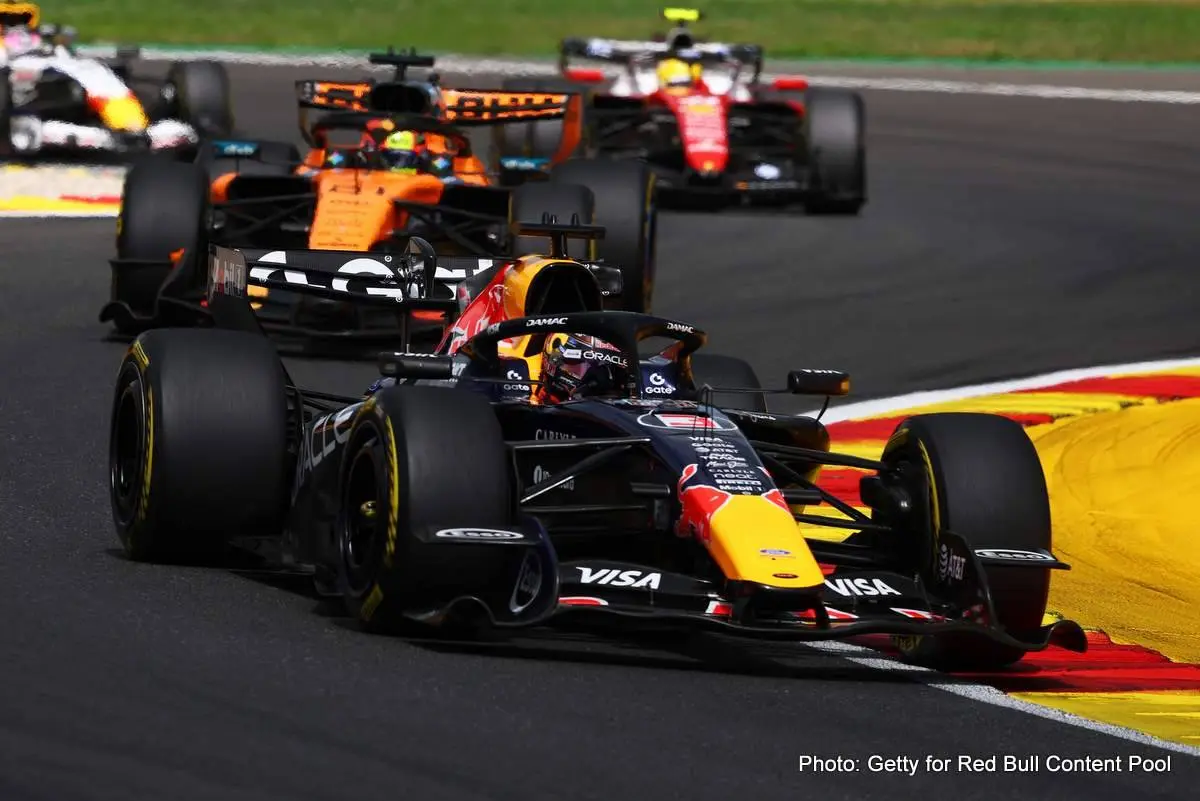
During a Grand Prix, engineers and drivers hold dozens of meetings before the lights even go out, yet the real drama starts the moment rubber meets asphalt. Tire temperatures rise, fuel burns off, and unexpected safety cars shake every plan.
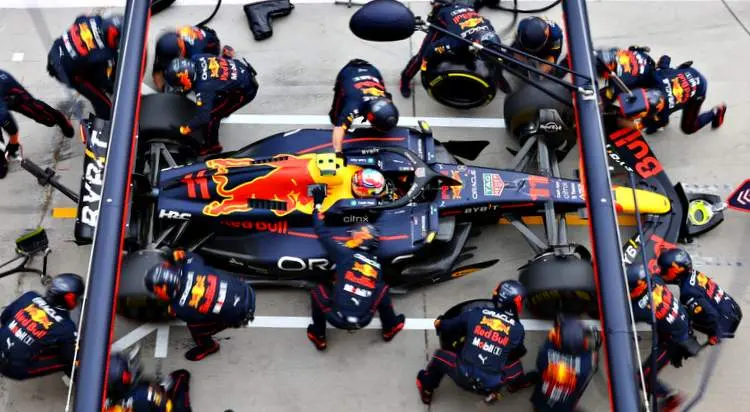
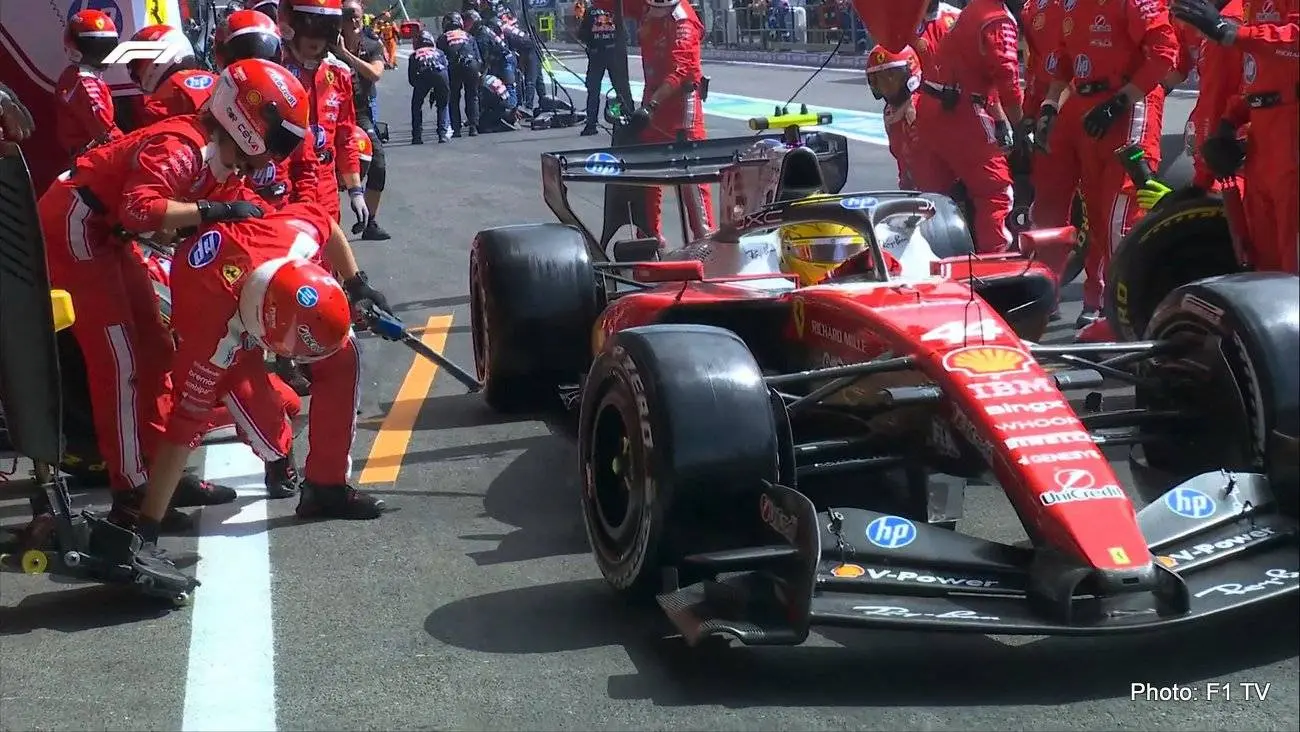
A well-timed pit stop can leapfrog five rivals; a slow wheel gun can bury a title hope. Data flashes across wall-sized screens, but someone must still dare to press the button that calls the car in. They gamble on soft tires lasting twelve laps instead of ten, or on rain clouds missing Turn Three.
When the decision pays off, the team looks like geniuses; when it fails, the replay loops for weeks. Much like a roulette spin, everyone waits seconds to see red, black, or a bright podium finish.
Engineers call this grey zone the “fog of racing,” a place where math blurs and instinct takes charge, and that blur is precisely where legends are born.
Betting on the Unknown: Table Games and Tire Choices

A pit wall resembles a busy casino floor more than most people realize. Chips are replaced by seconds, and the croupier’s spin is mirrored by unpredictable weather. Teams weigh probability on spreadsheets, while gamblers trust pattern, instinct, or memory.
Choosing hard rubber may feel safe, like standing on an eighteen at the table. Yet safety can be costly if rivals dare to double down on softer tires and find pace. Meanwhile, fuel loads act like betting limits—take too little and one may run dry, carry too much and speed suffers.
In both worlds, success often comes from reading incomplete information and acting decisively before the odds shift. Whether holding a steering wheel or a deck of cards, reading momentum can turn a cautious soul into the evening’s surprise winner.
Chasing Jackpots and Podiums: Risk Management

No champion or high roller survives on luck alone. They must protect their bankroll—their car, tires, and points—while still chasing the big payout. In racing, that payout is a podium or championship. In gambling, it is a life-changing win.
Both groups set stop-loss limits. A driver may cap how many seconds he is willing to lose behind slower traffic before pitting; a player decides how much to wager before walking away.
Each uses data logs or betting histories to learn from mistakes. Yet neither can afford fear. A risky undercut, like a max bet, may be the only path to victory. The art lies in knowing when the odds have turned and folding before disaster strikes again.
When to Fold, When to Floor It

Watching a dealer sweep chips from the felt teaches humility; so does seeing a car crawl back to the pits with shredded tires. Both moments show that overconfidence is the fastest route to loss. Smart gamblers set a budget, and smart teams set a target lap time.
If the numbers drift too far, they stop, rethink, and live to fight the next day. Patience is not passive—it is the active choice to wait for a better hand or a clearer track. The greatest champions, like the most seasoned card sharks, remember every detail of past plays.
They adjust, adapt, and recognize that not every risk deserves the green flag. Yet they also understand that playing too safe can guarantee defeat.
A driver who never tries an undercut, or a player who never raises, will rarely taste victory. Success comes from balancing nerve and knowledge, then acting with perfect timing when the window opens.
Latest News

Loading