What Has Really Gone Wrong at Aston Martin: From Bold Promise to Costly Drift
F1 NewsMonday, 09 February 2026 at 00:36
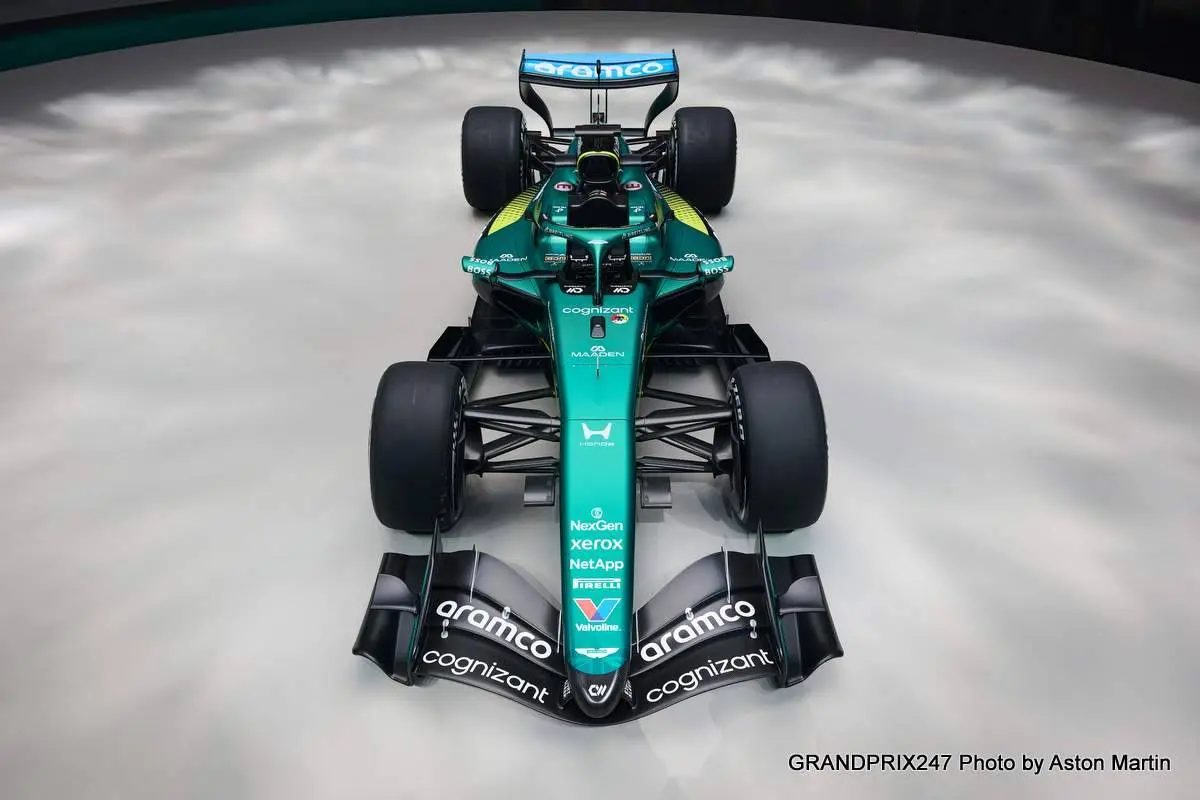
In Formula 1, decline rarely arrives with a single dramatic collapse. More often, trouble enters quietly through missed priorities, unstable direction, and a growing gap between ambition and execution.
Aston Martin has become a clear example of that pattern. A team that once looked ready to challenge the front now feels trapped between headline-making promises and race-day frustration.
At first glance, the story still looks glamorous. Big investment, famous hires, a luxury brand image, and the kind of presentation that attracts attention the way a polished ad for RichRoyal casino tries to sell excitement before the real test begins.
Yet Formula 1 is brutally indifferent to presentation. The stopwatch does not care about mood boards, press releases, or elegant hospitality units. It rewards only clarity, engineering quality, and fast learning.
Early Momentum Hid Deeper Structural Problems
The strongest period of Aston Martin’s recent era created a dangerous illusion. A fast start made it easy to believe that the team had already solved its deeper issues. Podiums and visible progress suggested a future title contender was being built in real time. But early success in Formula 1 can be deceptive when the foundation underneath remains fragile.
A team can look sharp for a few months and still lack the systems needed for a full development war. That seems close to what happened here. Aston Martin showed pace when the package suited certain tracks and conditions, but maintaining that level required more than a good initial concept. It required disciplined development, strong feedback loops, and the ability to respond faster than rivals.
Once other teams began refining upgrades with greater precision, Aston Martin started to look reactive rather than decisive. Progress slowed. Confidence became harder to read. The car stopped telling a consistent story from one weekend to the next.
The Core Mistakes Have Been More Organizational Than Cosmetic
The easiest explanation is often the wrong one. Many outside observers blame one driver, one technical leader, or one failed upgrade. That version is neat, but Formula 1 almost never works like a tidy courtroom drama. Underperformance usually grows from a chain of connected weaknesses.
Where the bigger cracks have appeared
- Unclear technical identityA front-running team usually knows exactly what kind of car is being built and why. Aston Martin has often looked like a team searching for answers after committing to a direction.
- Slow adaptation during the seasonThe strongest teams treat every race as new information. Aston Martin has too often seemed slower to turn information into performance.
- Overreliance on symbolic progressNew facilities and star signings matter, but prestige cannot replace operational sharpness.
- Development that lacks consistencySome upgrades have looked neutral at best, and that is fatal in a sport where rivals squeeze tenths from tiny gains.
These issues do not always create instant disaster. Instead, they create drift. In Formula 1, drift is deadly. A team can lose ground while still looking respectable on the surface.
Pressure Has Grown Faster Than Results
Another problem is expectation inflation. Aston Martin did not position itself as a patient long-term project in the eyes of the public. The messaging pointed toward rapid ascent. That created excitement, but it also raised the emotional temperature around every average weekend.
Once a team starts talking like a future champion, midfield results stop feeling like part of a process and begin to feel like failure. That changes the atmosphere around decision-making. Every setback looks heavier. Every technical issue becomes a symbol of something larger. Calm evaluation gets replaced by noise.
In that kind of environment, even sensible development choices can start to feel defensive. Formula 1 rewards cold thinking. Hype, on the other hand, is sugar water. It tastes good, then leaves a crash.
Facilities and Famous Names Were Never Going to Be Enough
Aston Martin has invested heavily in infrastructure, and that matters. Modern tools, better simulation, and stronger factory resources can transform a team over time. But infrastructure is not performance by itself. It is only potential, and potential has fooled plenty of proud organizations before.
A fast team is built not just from expensive parts of the machine, but from alignment between departments. Aerodynamics, mechanical setup, correlation, strategy, and race operations must move together. When that alignment is incomplete, progress becomes uneven.
What a genuine recovery would need
- A more stable development philosophyThe team needs fewer swings in direction and more confidence in what the car should become.
- Sharper track-to-factory correlationData must translate cleanly into better decisions, not into more uncertainty.
- Lower dependence on imageLess theatre, more ruthless technical honesty.
- Patience without complacencyLong-term building is necessary, but not as an excuse for repeated stagnation.
- Clear internal accountabilityNot public blame, but private clarity about what is working and what is not.
That is the unglamorous answer. No miracle fix, no single villain, no magical weekend that solves everything.
The Real Failure Has Been a Gap Between Vision and Execution
Aston Martin’s biggest problem may be simple to describe and hard to solve: the project has often looked bigger than its actual competitive coherence. The dream has been loud, but the race craft of becoming elite has been quieter and less reliable. Formula 1 punishes that imbalance with almost poetic cruelty.
Nothing is permanently broken in a sport this fluid. Teams recover. Structures improve. The right leadership rhythm can change an entire future. But recovery begins with honesty. Not the marketing kind. The real kind. Aston Martin has not failed because the ambition was too large.
Aston Martin has struggled because ambition arrived before the team was fully ready to carry its weight. That is a beautiful story in branding. In racing, it is just lap time lost.
Latest News

Loading