Motorsports injuries can have lasting consequences that extend far beyond the immediate recovery period. From chronic pain and reduced mobility to potential career-ending complications, these injuries often reshape both professional and personal lives.
Modern safety equipment has significantly reduced catastrophic injuries. However, the cumulative effect of repeated trauma and high-G impacts continues to affect drivers long after they leave the track.
In this report, we examine the most common long-term injuries in motorsports.
Racing Accident Analysis: Causes and Historical Context
Racing incidents emerge from a complex interplay of factors, with driver decisions and capabilities playing a central role.
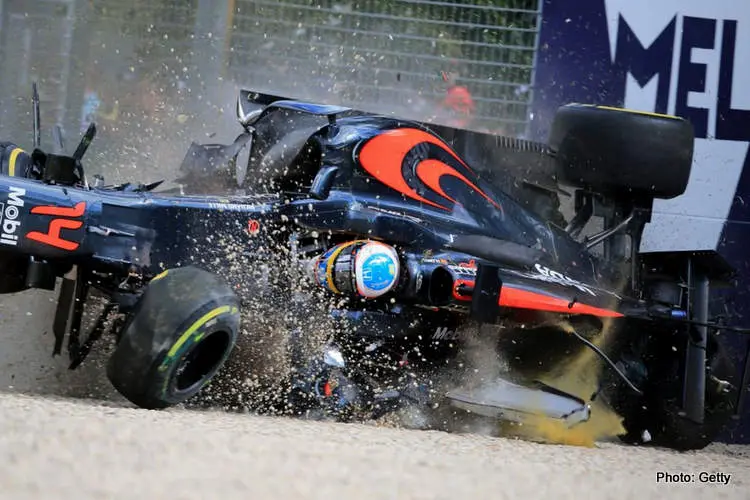
A striking example occurred during the 2016 Australian Grand Prix when Fernando Alonso misjudged an overtaking maneuver at 240 km/h. This resulted in clipping Esteban Gutiérrez's car.
The consequent crash saw Alonso's McLaren flip multiple times, generating a 46G impact and scattering debris across the track. The Hudson Reporter says that although Alonso emerged with only minor injuries, the incident highlights the risks inherent in split-second racing decisions. It also highlights the effectiveness of modern safety systems.
Speed management represents a fundamental challenge in motorsport safety. While high velocities define the sport's essence, the ability to control these speeds effectively determines both performance and safety outcomes. Competitive situations frequently push drivers to test their limits, creating scenarios where the balance between speed and control becomes precarious.
Technical reliability and maintenance standards form another critical aspect of racing safety. Documentation of racing incidents reveals numerous cases where mechanical failures, particularly brake systems, have forced drivers to make split-second decisions about abandoning their vehicles.
Historical data provides valuable context for understanding the evolution of motor vehicle safety. Between 1913 and 2022, U.S. motor vehicle fatalities increased by 996%, rising from 4,200 to 46,027 deaths. However, these figures must be considered alongside dramatic changes in vehicle usage.
As per Injury Facts, in 1913, the country had just 1.3 million vehicles and 2 million licensed drivers, with no recorded mileage data. By 2022, these numbers had grown to 283.4 million vehicles, 235 million licensed drivers, and 3,196 billion annual miles driven. This massive expansion in motor vehicle use highlights the importance of continued safety development in both public and racing environments.
Impact of Motorsport Injuries On Mental Health
Motorsport is an adrenaline-fueled activity that combines skill, speed, and precision. While it captivates millions of enthusiasts worldwide, it also carries significant risks. For many participants, injuries sustained during races or training sessions go beyond physical harm. They often leave deep psychological scars that significantly impact mental health.
Impact-Related Trauma
High-speed collisions in motorsport often result in characteristic injury patterns. Direct impact trauma can cause fractures, particularly to extremities and the thoracic region. Head injuries, despite modern helmet technology, remain a significant concern, ranging from mild concussions to severe traumatic brain injuries.
Spinal injuries are particularly serious, as the forces involved in racing accidents can cause compression fractures or more severe vertebral damage.
Heat and Environmental Stress
Racing environments expose drivers to significant physical stress. Heat exhaustion and dehydration are common, especially in endurance events or hot climates. Prolonged exposure to vibration and G-forces can cause muscle fatigue and strain.
The physical demands of controlling high-performance vehicles can lead to repetitive stress injuries, particularly affecting the neck, shoulders, and upper extremities.
Burns and Chemical Exposure
Fire-related injuries, though less common with modern safety equipment, remain a risk. Direct flame exposure and hot surface contact can cause severe burns. Chemical burns from fuel or coolant exposure present additional hazards.
The confined space of racing vehicles can intensify the effects of smoke inhalation and toxic fume exposure during incidents.
Psychological Impact
Motorsport accidents can have profound psychological effects, including post-traumatic stress disorder (PTSD).
A study on road accident survivors found 26.43% developed PTSD within 12 months, with hospitalization raising risk by 1.87 times and economic impact by 4.22 times. Though not motorsport-specific, these insights highlight trauma risks in high-speed crashes, often requiring extended medical care and disrupting careers.
Professional racers also face anxiety and confidence issues, especially during high-pressure returns. The study’s link between work disruptions and 3.17 times higher PTSD risk reflects the challenges racers face when restarting their careers, highlighting the need for tailored mental health support.
Long-Term Effects
Chronic injuries often develop from repeated exposure to racing conditions. Arthritis may appear prematurely in previously injured joints. Neurological symptoms can persist long after concussive events.
The cumulative effect of multiple minor injuries over a racing career can result in lasting physical limitations. This highlights the need for comprehensive medical monitoring and preventive care in motorsport.
Coping with Motorsport Accident Recovery: An Emotional Guide
Coping with the aftermath of a motorsport accident requires not only physical rehabilitation but also a strong focus on mental well-being.
Mental Wellness Foundations
The path to emotional healing after a motorsport incident starts with establishing core wellness practices. Create stability through:
- Quality rest periods that align with your body's natural rhythms
- Nourishing meals that support physical recovery
- Gentle movement activities within medical guidelines
Finding Inner Balance
Consider exploring relaxation techniques like deep breathing or guided imagery. These practices can help manage flashbacks and racing thoughts that often follow traumatic events. Many athletes find that setting aside even 10 minutes daily for quiet reflection makes a significant difference.
Processing Through Self-Expression
Writing about your experience can be therapeutic - whether in a private journal or through sharing with others. Document your healing journey, noting both challenges and victories. This record can help identify what situations might trigger difficult emotions and how to best handle them.
Building Your Support Circle
Recovery doesn't happen in isolation. Connect with:
- Close friends and family who can offer practical and emotional assistance
- Fellow motorsport enthusiasts who've faced similar challenges
- Organized support networks specifically for injured athletes
The Importance of Legal Guidance After Accidents
Accidents don't just leave physical scars - they often create a maze of legal challenges that can feel overwhelming during recovery. When you're already dealing with injuries and emotional trauma, dealing with complex legal procedures can become an additional burden. That's why working with a qualified personal injury attorney can make a crucial difference.
Consider a recent incident in St. Louis, MO. A street racing incident involving two teenagers ended in tragedy when one driver lost control. As per FOX 2, the resulting collision claimed one life and left another person injured.
Such cases highlight why professional legal representation matters - these situations involve multiple parties, complex liability issues, and serious consequences. This is where consulting a St. Louis personal injury attorney comes in handy.
According to TorHoerman Law, having family members assist in coordinating with a legal professional is crucial in these situations. This allows the injured person to focus on recovery while their legal interests are safeguarded by an expert in personal injury law.
FAQs
What typical injuries do race car drivers face?
Answer: Race car drivers commonly experience several physical challenges. The intense forces and repetitive motions can lead to joint inflammation, particularly affecting the shoulders, elbows, and wrists. Many drivers deal with lower body stress, including foot arch strain and knee complications from constant pedal work.
What's ahead for motorsports?
Answer: Motorsports is undergoing significant transformation. The industry is adopting electric powertrains, advanced driver assistance systems, and virtual racing platforms. Environmental consciousness is driving innovations in sustainable fuel alternatives and eco-friendly race operations. Digital integration and fan engagement technologies are also reshaping how audiences experience racing events.
How do Formula 1 drivers stay protected during races?
Answer: Modern F1 safety systems focus heavily on head and neck protection. The key component is specialized support equipment that prevents dangerous head movement during impacts. This technology works by securing the helmet to the car's safety structure, significantly reducing the risk of spine and neck trauma in accidents.
As motorsports continues to evolve, we find ourselves at a critical intersection of innovation and responsibility.
Advancements in safety technology and medical understanding are undeniably impressive. However, they remind us that the human element in racing remains its greatest asset and its most vulnerable aspect. The physical and psychological impacts of racing injuries don't just affect individual drivers – they ripple through teams, families, and the entire motorsport community.
Looking ahead, the challenge lies not just in developing better safety measures. It also involves fostering a culture where the pursuit of speed coexists with a deep respect for human limitations.
Latest News



Loading