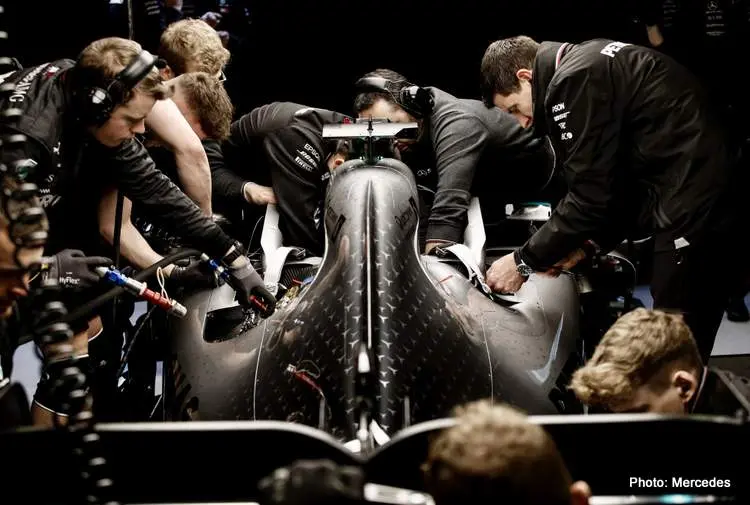
The allure of Formula 1 is undeniable. The combination of high-speed action, cutting-edge technology, and strategic manoeuvres appeals to millions worldwide. For college students studying engineering, F1 racing is more than just an exciting sport.
It’s an arena where they can apply their knowledge, develop their skills, and contribute to the evolution of automobile technology. Given the technical complexities and fast-paced nature of F1 racing, preparing for a career in this field can be challenging. College students need to juggle their academic responsibilities while acquiring practical experience.
To effectively manage their time and academic workload, many students may find it beneficial to use a trusted paper writing service to write speech for me or other assignments as well as private tutoring. This way, they can focus on their passion for engineering and F1 racing while ensuring their academic performance remains on track.
Understanding Formula 1 and Engineering
Formula 1 cars are feats of engineering excellence. They incorporate some of the most advanced technologies in the world to achieve extreme speeds and highly efficient performance. Every component, from the aerodynamics of the chassis to the hybrid power systems, is meticulously designed and optimized for maximum speed and safety.
For engineering students, F1 Racing offers a unique opportunity to apply their technical knowledge in an exciting and competitive environment. The realm of F1 Racing is dynamic and ever-evolving, fuelled by an unending quest for greater speed and efficiency. For those who find their passion in the embrace of innovation and challenge, it presents a tantalizing opportunity.
Getting Involved in Formula 1

So, how can a college student get involved in this adrenaline-fueled industry? Here are some steps that can set you on the right track:
Pursue Relevant Education: Engineering disciplines such as Mechanical, Electrical, Aerospace, and Materials Engineering are highly relevant to F1 Racing. A strong foundation in these fields can open the doors to various roles in the industry.
Join or Start a Formula SAE Team: Formula SAE is a student design competition organized by SAE International. It’s an excellent opportunity to gain hands-on experience in designing, building, and racing a small-scale formula-style racing car.
Internships and Placements: Many F1 teams offer internships and industrial placements. These opportunities provide invaluable experience and insights into the workings of the industry.
Participate in F1 Events: Engage in F1-associated gatherings and aim to build connections within the industry. You never know when a door might open.
Building a Career in Formula 1

Getting involved in Formula 1 while in college is just the first step. The journey toward a successful career in this industry is a continuous exploration of knowledge, practical experience, and an unwavering passion for motorsport. F1 engineering is not just about technical skills; it is also about teamwork, problem-solving, and resilience—the ability to perform under pressure and adapt to an ever-evolving environment.
The industry values innovation and the relentless pursuit of improvement. It requires individuals who are not just technically competent but also creative, solution-oriented, and capable of thriving in a fast-paced, high-pressure environment. As such, continuously upgrading your skills, staying abreast of the latest advancements, and fostering an innovative mindset are crucial elements of building a successful career in F1 Racing.
Ways to Keep Advancing in Your Career
Continuous Learning: Make a habit of staying updated on the latest advancements in engineering and motorsport technologies.
Networking: Regularly attend industry events, seminars, and races. Networking can open doors to opportunities that you might not find otherwise.
Skill Enhancement: Regularly assess your skill set and identify areas for improvement. Look for relevant courses, certifications, or workshops that can help you enhance your skills.
Gaining Experience: Try to gain diverse experience in different aspects of F1 Racing. The more versatile your experience, the better your understanding of the sport.
The Fascinating World of F1 Technology

Formula 1 isn’t just about fast cars and fearless drivers. At its heart, it is a testament to technological marvels and innovation. The sport has become a battleground for the brightest minds in engineering and technology, constantly pushing the boundaries of what’s possible.
The F1 racing cars are feats of advanced engineering and design. They incorporate cutting-edge technologies in aerodynamics, materials science, electronics, and more. The result is a machine that can reach incredible speeds while maintaining precise control and safety.
For college students with a passion for engineering and racing, exploring the technical aspects of F1 racing can be both exciting and insightful. It presents an opportunity to see theory and application merge in the most thrilling manner, all aimed at creating a masterpiece that redefines speed, efficiency, and performance.
F1 Racing and the Role of Data Analysis

In the high-octane world of Formula 1 data plays a crucial role. The modern F1 car is a data-generating powerhouse, with hundreds of sensors generating millions of data points during a single race. These data provide a wealth of information, from engine performance to tire degradation, from aerodynamic efficiency to the physical condition of the driver.
For the teams competing in F1 Racing, data analysis is a key strategic tool. By examining the data, engineers can make informed decisions about everything from pit stop strategy to the optimal racing line. It’s also used to fine-tune the car’s performance, improve reliability, and predict future trends.
This focus on data analysis provides another avenue for college students to get involved in F1 Racing. Degrees in fields such as Data Science, Statistics, or Computer Science are increasingly valuable in the sport. Students with a knack for numbers and a passion for racing may find that data analysis in F1 combines their interests in a unique and exciting way.
The role of a data analyst in an F1 team is both challenging and rewarding. It involves working closely with the engineers and drivers, interpreting complex data, and providing insights that could be the difference between winning and losing. For those with the right skills and a passion for motorsport, it’s an opportunity to be at the forefront of the sport’s technological revolution.
Conclusion
Formula 1, with its intense pace and reliance on cutting-edge technology, presents an exciting field for engineering students to delve into. The opportunities to contribute and learn are immense. However, in the process of balancing their academic commitments with their passion for F1 racing, students may need support.
Leveraging resources such as the best research paper writing services can provide invaluable assistance in their academic journey. This way, students can excel both in their studies and in their pursuit of a career in the thrilling world of Formula 1. The path to the pit lane may be challenging, but with passion, perseverance, and the right support, it’s a journey well worth taking.
Latest News





Loading