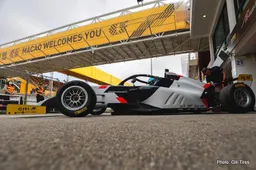
Racing car design has evolved significantly since its inception in the early 20th century. The transition from rudimentary, utilitarian machines to today's sleek, high-performance masterpieces is fascinating.
When delving into top essay writing services, it's crucial to consider the invaluable insights offered by essay pro review and its team of experts. Throughout the years, racing cars have evolved remarkably, becoming faster and more visually captivating, thanks to numerous design innovations and breakthroughs.
This metamorphosis has elevated racing cars to genuine works of art on wheels. Let’s dive into this aesthetic world of cars and their design.
Aesthetics vs Performance: Striking the Perfect Balance
One of the most intriguing aspects of racing car design is the delicate balance between aesthetics and performance. Racing cars are not merely showpieces but precision instruments designed to win races. However, in the pursuit of speed, designers have also managed to create breathtaking visual masterpieces.
Take, for instance, the McLaren P1, which seamlessly blends aerodynamic efficiency with a striking, futuristic aesthetic. Racing cars like the P1 prove that aesthetics and performance need not be mutually exclusive.
The Role of Materials and Technology

Advancements in materials and technology have played a pivotal role in shaping the aesthetics of racing car design. Carbon fiber, for instance, has revolutionized the industry, offering strength and weight reduction. This has allowed designers to craft intricate and visually appealing bodywork.
Moreover, cutting-edge technology, such as 3D printing and computational fluid dynamics, has enabled designers to push the boundaries of visually possible in racing car design.
Artistic Elements in Racing Car Livery
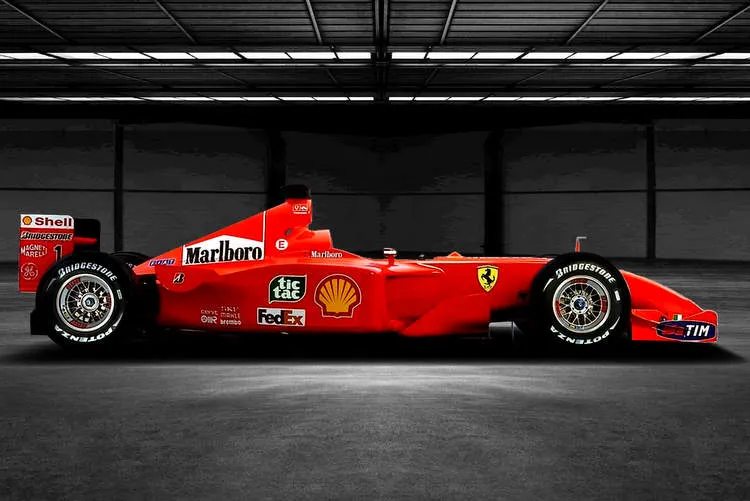
The visual identity of a racing car often lies in its livery - the distinctive colors, patterns, and sponsor logos that adorn its surface. Livery design is an art form, with each element carefully chosen to convey a team's identity and branding. The iconic Gulf Racing livery, with its vibrant blue and orange colors, is a timeless example of how livery design can capture the essence of a racing team and become synonymous with its legacy.
Visionaries Behind the Wheel: Driver and Designer Synergy

While designers play a significant role in shaping the aesthetics of a racing car, the driver's input is equally crucial. Professional drivers often work closely with designers to refine design elements, ensuring the vehicle looks good and performs at its peak.
A driver's feedback can influence everything from the positioning of mirrors to the placement of controls, demonstrating how racing car design is a collaborative process that blends aesthetics with functionality.
The Art of Racing Car Photography
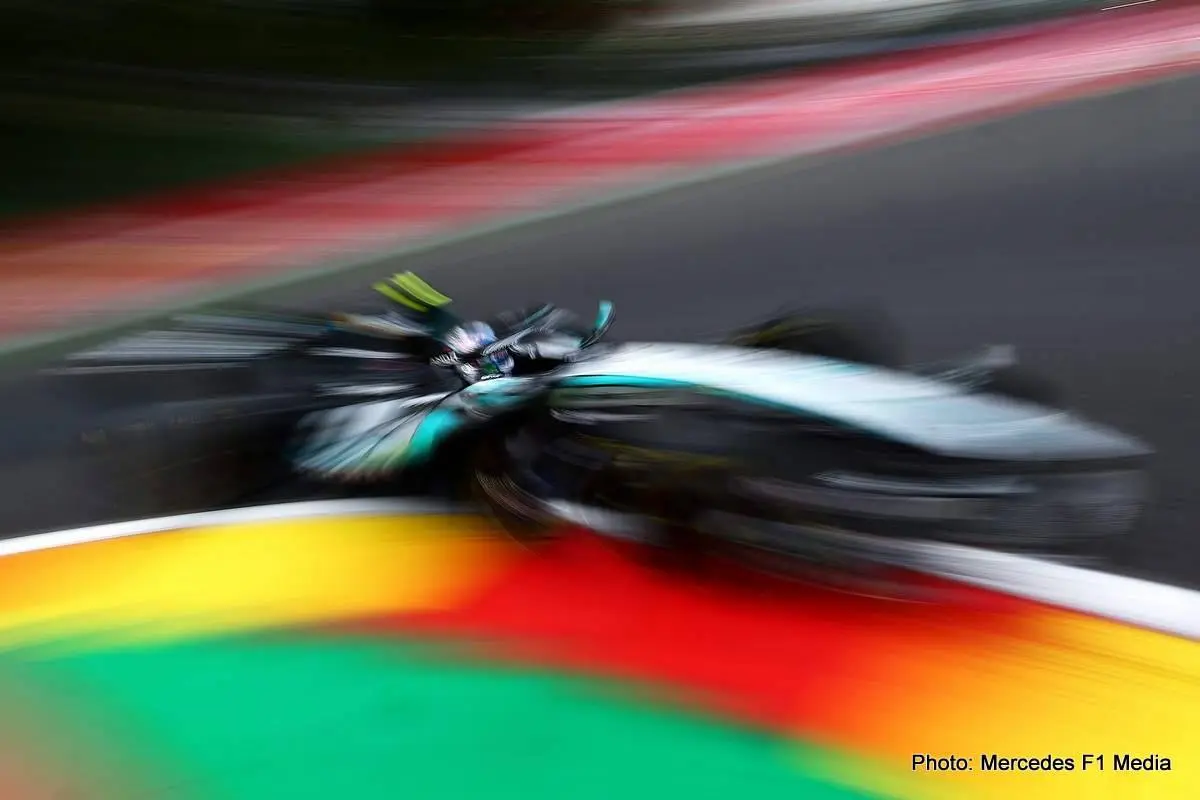
Capturing the dynamic beauty of racing cars in motion is an art. Photographers at the track employ various techniques and tools to freeze these high-speed marvels in time.
The play of light on the curves of a racing car, the blurred background as it streaks past, and the intensity in the eyes of the driver - all these elements come together to create compelling photographic art that showcases the aesthetics of racing cars as no other medium can.
Sustainability and the Future of Racing Car Design

As the world becomes more conscious of environmental concerns, sustainability is making its mark on racing car design. Innovations in materials and technologies focus on reducing carbon footprints while maintaining the visual appeal of racing cars.
With its futuristic aesthetics, electric racing is emerging as a trend combining high-performance design with eco-friendliness, hinting at the direction racing car design may take.
Preserving Racing Car Artifacts and Legacy
The artistic legacy of racing car design is worth preserving. Historic racing cars are relics and valuable artistic artifacts that showcase the evolution of automotive aesthetics.
Museums, collectors, and institutions dedicated to safeguarding these treasures ensure that future generations can appreciate the artistry and innovation that have shaped racing car design throughout history.
Beyond the Track: Racing Cars as Art Installations
The influence of racing car design extends far beyond the racetrack itself. Many historic and contemporary cars have entered art galleries and museums worldwide. These exhibitions testify to the captivating fusion of art and automotive engineering.
Visitors can marvel at the intricate details, innovative designs, and the sheer artistic brilliance that goes into creating these mechanical marvels. It's not uncommon to see racing cars standing proudly beside traditional sculptures and paintings, reaffirming their status as modern art pieces that continue to push the boundaries of creativity.
Racing Car Design as a Source of Inspiration

Racing car design has a remarkable ability to inspire creativity in diverse fields beyond the automotive industry. Artists, fashion designers, and architects often draw inspiration from racing cars' sleek lines, bold colors, and aerodynamic shapes.
The avant-garde spirit of racing car design has influenced the aesthetics of everyday objects, from household appliances to high-end fashion. This demonstrates that racing cars' innovative and inspiring nature transcends the racetrack.
It leaves a lasting impact on the world of design and aesthetics. Much like essay pro, a service that provides student essay writing assistance, car design shows how creativity and innovation can extend beyond their initial domains to influence various aspects of our culture.
To Wrap It Up
In conclusion, the intersection of art and autos in racing car design is a captivating journey that continues to evolve. From the early days of practical racing machines to today's sleek, technologically advanced masterpieces, racing cars have transcended their role as mere vehicles to become iconic works of art.
Balancing aesthetics with performance, embracing innovation, and preserving the legacy of racing car design are all essential aspects of this fascinating art form on wheels.
Latest News



Loading