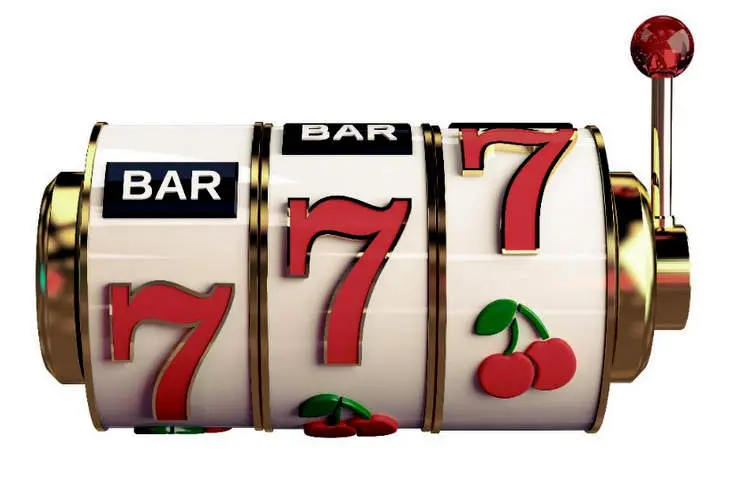
Slot machines have evolved dramatically since the first one was created in 1895. From mechanical devices in land-based casinos to the sophisticated online Slots we know today, slot games have become a cornerstone of the gaming industry.
In this article, for our Formula 1 readers and F1 fans interested in slots, , we explore the history, mechanics, and evolution of slot machines, so you know everything you need to know about the games of chance before playing.
A brief history of slot machines
Charles Fey created the first slot machine, known as the Liberty Bell, in 1895. This simple mechanical device featured three spinning reels with five symbols – horseshoes, diamonds, spades, hearts, and a liberty bell.
To play, you would insert your coins and spin the reels using a spring and lever mechanism. The aim of the game was to land three bells in a row on the reels, hence the machine’s name. Without a patent, Fey's invention laid the foundation for slot machines that would become a mainstay in casinos around the world.
As technology progressed, so did the design and complexity of slot machines. By the 1960s, electromechanical Slots emerged. These machines introduced new features like multiple paylines, bonus rounds and special features.
The mechanics of land-based Slots
As mentioned, early machines used physical gears and springs to generate randomness, while later versions employed electrical circuits.
Each reel in a slot machine is covered with symbols, and winning combinations are determined by the alignment of these symbols on the machine's payline(s). The payout depends on the specific combination and the machine's paytable, which outlines the prizes for various symbol alignments.
Evolution to electromechanical and video Slots
The shift from purely mechanical to electromechanical Slots in the mid-20th century marked another significant innovation. These hybrid machines used electric motors, which allowed for more complex operations and features such as larger jackpots, additional paylines, and new game mechanics.
In the 1970s, video revolutionised the industry yet again. Instead of physical reels, these machines used video screens to display the spinning reels. This technology opened up a world of possibilities for game designers, enabling them to create more visually appealing games with elaborate themes and bonus rounds.
The transition to online
The advent of the Internet in the 1990s led to the creation of online casinos, which brought slot games into the digital realm. Online Slot machines mimic their land-based counterparts but often have a wider variety of games and innovative special features that are not possible with physical machines.
The inner workings of slot machines have developed as well, with online slot games now using Random Number Generators (RNGs) to ensure fairness and randomness.
An RNG is a computer algorithm that generates a sequence of numbers or symbols that cannot be predicted. In slot games, the RNG determines the outcome of each spin every single second, ensuring that each result is entirely random and independent of the previous spins.
Understanding RNGs
RNGs guarantee that every spin of the reels is fair and unbiased. When you press the ‘spin’ button, the RNG generates a random number which corresponds to a specific combination of symbols on the reels. This process happens almost instantaneously, making it impossible to predict or manipulate the outcome.
The use of RNGs also means that online slots can offer a higher return to player (RTP) percentage compared to land-based machines. This is because online casinos have lower overhead costs and can afford to give back a higher percentage of the wagers to players over time. Special report for our F1 readers interested in this subject.
Latest News











Loading