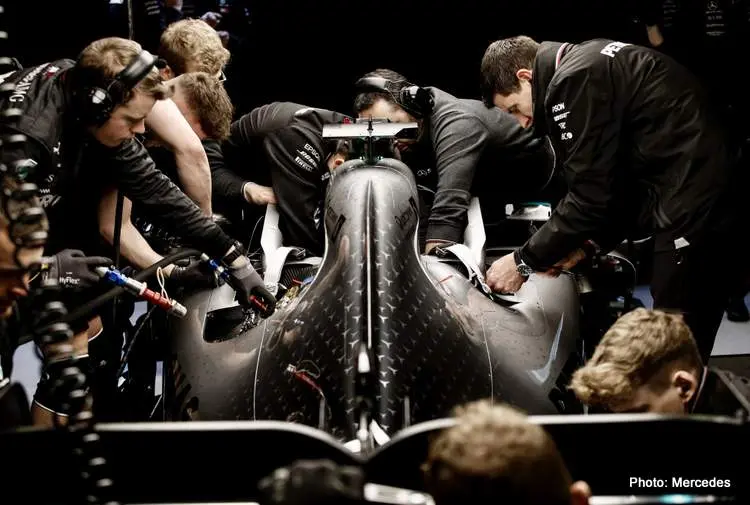
Success in modern Formula 1 does not depend on one brilliant idea or a single inspired driver. Engineers shape every result long before the lights go out on Sunday.
They define how a car generates downforce,
how it protects its tyres, how it responds to steering input, and how it reacts
to heat and turbulence. They also build the systems that allow race teams to
process data in real time and make fast, informed calls.
Online casino platforms operate in a fully digital
environment and rely on software architecture, probability algorithms,
cybersecurity systems, and user interface engineering. In the case of incaspin, engineers structure the platform around data
processing, transaction security, and regulatory compliance across
jurisdictions.
Developers maintain server stability, encryption protocols, and
random number generation systems to ensure fair outcomes in digital games.
Technical teams monitor performance metrics, payment gateways, and user
activity logs to maintain operational consistency. Specialists update backend
infrastructure to manage traffic spikes and prevent downtime.
This environment
depends on coordinated software design rather than mechanical components, yet
it still demands structured problem-solving and analytical oversight.
Top teams win because groups of engineers solve complex
problems under strict rules. Technical regulations restrict dimensions,
materials, fuel flow, and aerodynamic surfaces. Sporting rules limit testing,
wind tunnel hours, and budgets.
Within those boundaries, engineers search for
performance gains that add up over a full season. The public often sees the
driver on the podium, yet the groundwork takes shape in design offices and
simulation rooms.
Aerodynamic vision and airflow control
Aerodynamics defines lap time more than any other single
factor. Engineers who specialize in airflow control design the bodywork, wings,
and floor to create downforce while limiting drag. They manage how the car
behaves in turbulent air and through different ride heights.
Under current ground-effect regulations, the floor plays
a central role. Engineers sculpt venturi tunnels beneath the car to accelerate
airflow and create suction. They balance peak downforce with stability. If the
car runs too low, airflow can stall and grip can disappear without warning. If
it runs too high, the car sacrifices cornering speed.
Aerodynamic engineers rely on three main tools:
●
Computational
fluid dynamics simulations to test design concepts.
●
Wind tunnel
experiments to measure force levels on scale models.
●
Correlation
work to compare simulation data with track measurements.
They introduce steady upgrades across a season. A revised
floor edge, a modified rear wing element, and minor adjustments to bodywork can
trim tenths of a second. Over twenty races, those tenths shape championship
outcomes.
Engineers also design cooling systems within aerodynamic
limits. Radiator inlets, brake ducts, and bodywork openings must feed enough
air to control temperatures without increasing drag. A car that overheats loses
power and tyre performance. A car that overcools wastes aerodynamic efficiency.
Power unit integration and energy systems
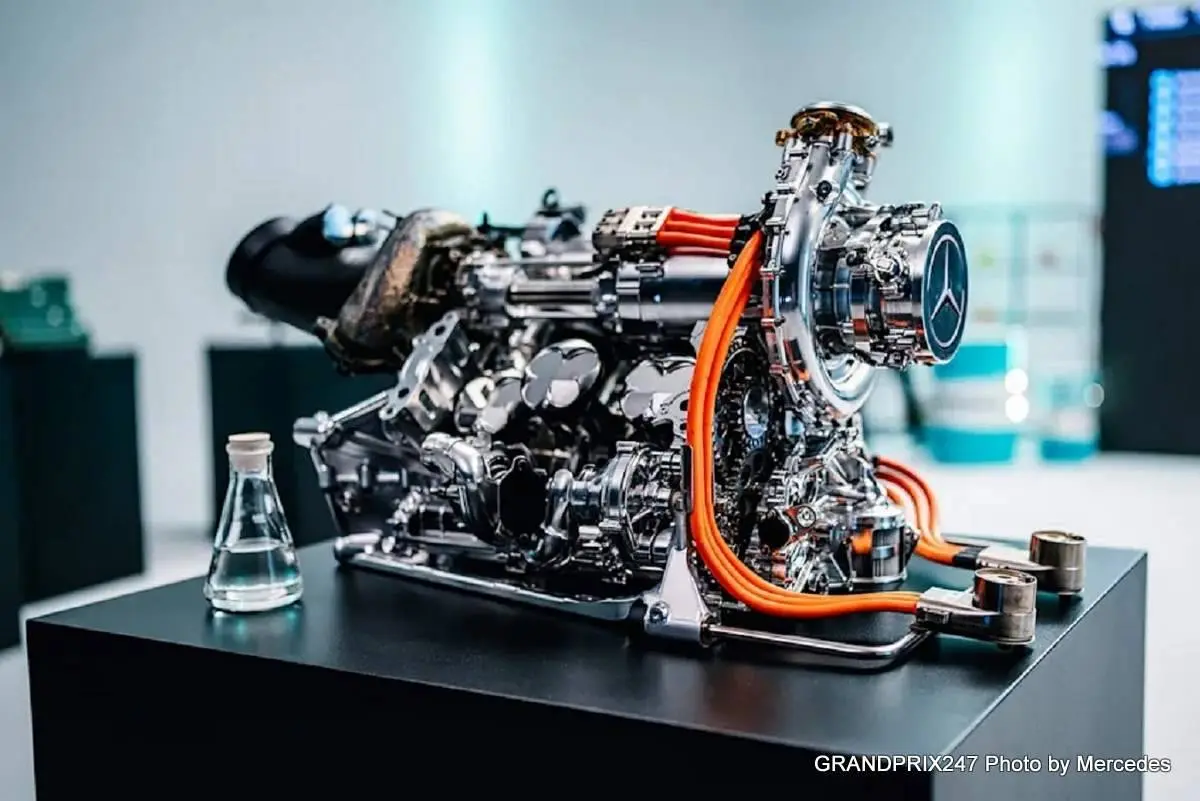
Modern power units combine internal combustion engines,
turbochargers, energy recovery systems, and battery packs. Engineers who
oversee these systems focus on thermal efficiency, electrical harvesting, and
packaging. They extract maximum output while respecting fuel flow limits and
component life quotas.
The combustion chamber design influences both power and
efficiency. Engineers adjust piston geometry, fuel injection timing, and
ignition mapping to improve burn stability. Small gains in thermal efficiency
allow the engine to produce more power from the same fuel allowance.
The hybrid system adds another layer of complexity.
Engineers manage:
●
Kinetic
energy recovery under braking.
●
Heat energy
recovery from the turbocharger.
●
Battery
charge and discharge cycles.
●
Deployment
strategies over a lap.
Race engineers collaborate with power unit specialists to
decide where drivers deploy electrical energy. On tracks with long straights,
they may prioritize top-speed gains. On technical circuits, they may focus on
acceleration out of slow corners.
Packaging also matters. Engineers place heavy components
low and close to the center of gravity. A compact layout improves handling and
weight distribution. Cooling channels route air efficiently through radiators
without disrupting aerodynamic flow.
Vehicle dynamics and mechanical grip
While aerodynamics attracts most headlines, mechanical
grip determines how the car behaves at low speeds and over kerbs. Vehicle
dynamics engineers tune suspension geometry, damping characteristics, and
weight distribution. They shape how the car loads its tyres in braking,
cornering, and acceleration.
Suspension kinematics influence camber change and toe
angles as the car rolls. Engineers choose anti-dive and anti-squat settings to
control pitch under braking and throttle. They adjust spring rates and dampers
to manage ride height and floor stability.
Tyre management stands at the center of this discipline.
Formula 1 tyres operate within narrow temperature windows. If engineers
overheat the surface, grip falls quickly. If they fail to bring tyres up to
temperature, the driver struggles for several laps.
Vehicle dynamics engineers focus on:
●
Contact
patch control through suspension travel.
●
Load
transfer between axles.
●
Steering
geometry and feedback.
●
Brake
balance and migration settings.
They analyze telemetry to detect patterns. Rear tyre
temperatures may rise sharply in medium-speed corners. That data can point to
excessive slip or insufficient rear downforce. The engineer then proposes setup
changes or aerodynamic tweaks.
Mechanical balance must align with aerodynamic
characteristics. If the front end generates more downforce than the rear at
high speed, the car can become unstable in fast corners. Engineers aim for
consistent balance across speed ranges. That work requires constant
communication between departments.
Data science and simulation culture
Modern teams operate like research institutions. They
collect vast amounts of data from sensors on the car. Engineers analyze brake
pressures, steering angles, tyre temperatures, and hundreds of other parameters
in real time. They also run driver-in-the-loop simulators to test setup changes
before race weekends.
Data engineers design pipelines that transform raw sensor
signals into actionable insights. They write scripts to flag anomalies and
compare stints. They build predictive models to estimate tyre degradation over
race distance.
| Phase | Tool Used | Engineer Focus |
| Concept design | CFD and CAD software | Aerodynamic load targets |
| Prototype validation | Wind tunnel and dyno tests | Correlation with simulations |
| Pre-race preparation | Driver simulator | Setup direction and strategy planning |
| Race execution | Live telemetry systems | Strategy calls and performance tuning |
Engineers test assumptions with numbers. If a simulation
predicts a two-tenth gain from a new front wing, they validate that claim
through wind tunnel measurements and track runs. If correlation gaps appear,
they adjust the model.
This analytical culture shapes decision-making. Teams
combine experience with structured evaluation. Engineers who interpret data
clearly and communicate findings in simple terms often influence race strategy.
Leadership inside technical departments
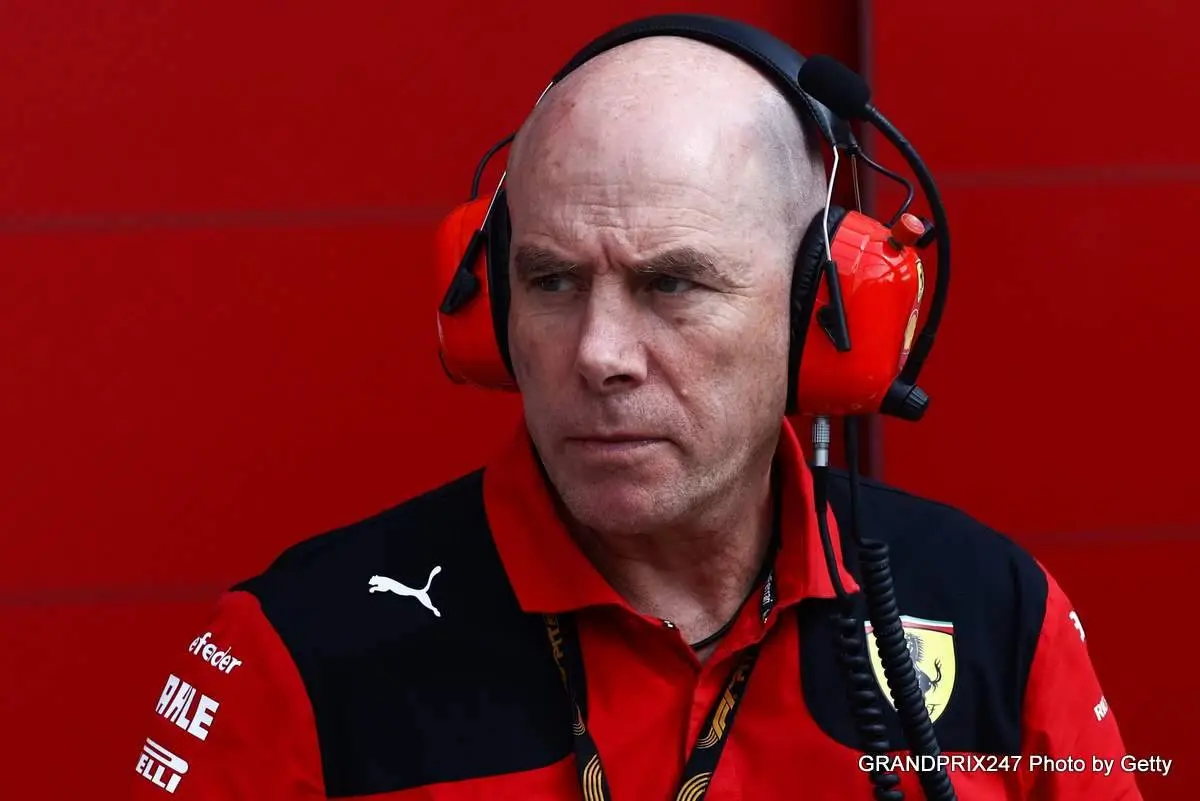
Behind every competitive car stands a technical director
or chief engineer who coordinates departments. This leader sets design
philosophy and long-term direction. They decide whether to prioritize
high-downforce concepts, aggressive packaging, or conservative reliability
margins.
Strong technical leadership shows up in several
behaviors:
●
Clear design
targets at the start of the season.
●
Fast
response to regulation changes.
●
Open
communication between aerodynamics, power unit, and chassis groups.
●
Realistic
assessment of risks before major upgrades.
These leaders manage resources within budget caps. They
cannot chase every idea. They choose projects that offer measurable gains and
stop those that waste time.
They also guide younger engineers. Knowledge transfer
matters in a sport where small details influence performance. Senior figures
teach juniors how to interpret wind tunnel results, how to evaluate setup
changes, and how to avoid overreacting to one session’s data.
Race engineers and trackside execution
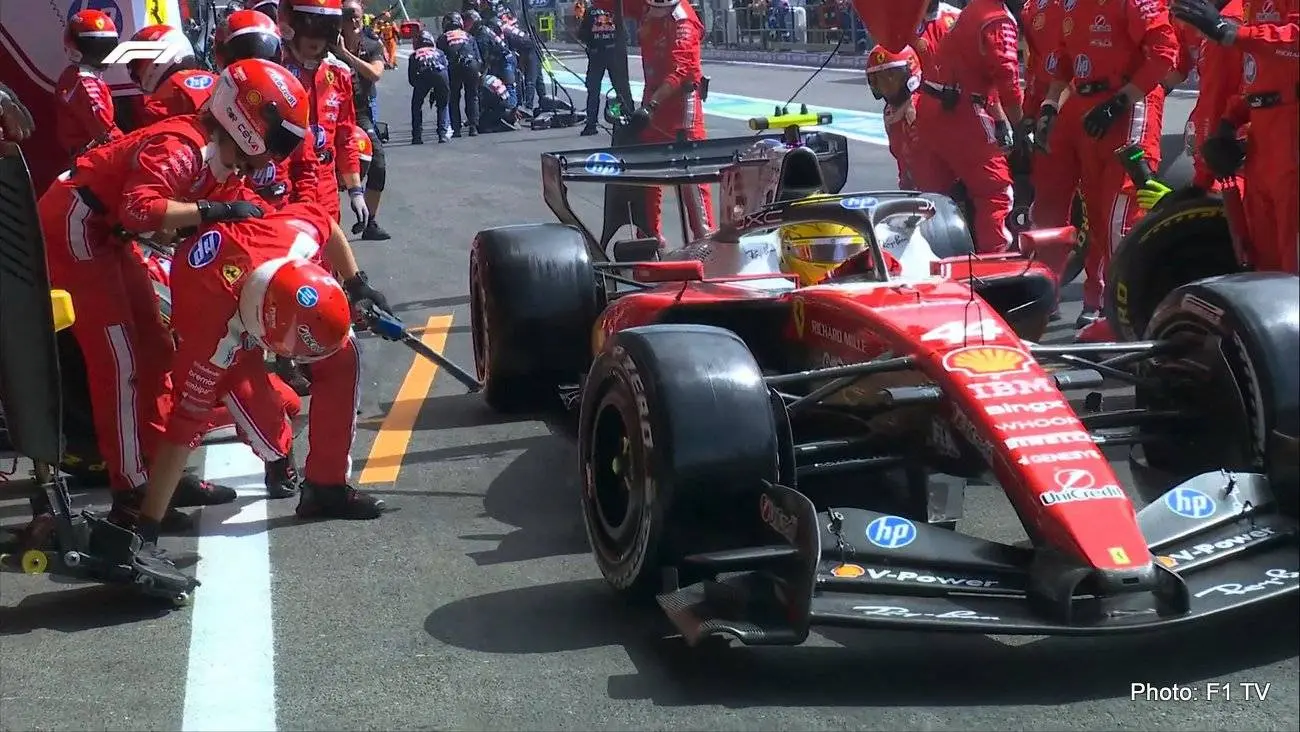
Design offices create the car, but race engineers
translate its potential into results. They act as the main link between driver
and factory. They interpret feedback, adjust setup, and guide strategy during
the race.
A race engineer understands aerodynamics, suspension,
tyres, and power unit behavior. They communicate clearly. During qualifying,
they guide the driver through warm-up procedures and energy deployment plans.
During the race, they monitor tyre wear, fuel usage, and traffic.
Key responsibilities include:
●
Selecting
wing levels for each circuit.
●
Setting
brake bias and differential maps.
●
Deciding pit
stop timing based on degradation.
●
Reacting to
safety cars and weather changes.
They must stay calm under pressure. A wrong call on pit
strategy can drop a car from podium contention to midfield. A delayed response
to changing track conditions can cost valuable points.
Continuous development under regulation changes
Regulation cycles shape engineering priorities. When new
aerodynamic rules enter force, teams redesign large portions of the car.
Engineers analyze rule texts line by line to identify design space.
Changes to floor edges or diffuser dimensions can alter
how teams generate downforce. Engineers respond by testing new tunnel shapes or
suspension layouts. They also check structural integrity and crash compliance.
Budget caps add another constraint. Teams allocate funds
carefully across development stages. Engineers cannot produce unlimited
prototypes. They select upgrade packages that promise consistent gains across
multiple tracks.
Mid-season upgrades require coordination:
●
Aerodynamic
department finalizes geometry.
●
Structural
engineers confirm stiffness and safety.
●
Manufacturing
schedules carbon fiber production.
●
Trackside
team prepares installation plans.
If one link in this chain fails, the upgrade may miss its
debut race. Time management becomes as important as raw creativity.
Top teams in Formula 1 win because engineers solve
complex challenges under strict rules. They refine aerodynamics through
simulation and testing.
They integrate hybrid power systems with precision.
They tune suspension and tyres for predictable handling. They analyze data in
real time and adjust strategy under pressure.
No single engineer guarantees success. Results emerge
from coordinated effort, clear leadership, and disciplined analysis. Engineers
convert regulations into design targets and transform raw materials into
competitive machines.
In a sport measured in thousandths of a second,
engineering judgment determines outcomes. Each upgrade, each simulation model,
and each setup adjustment contributes to the final result. Through steady
refinement and rigorous evaluation, engineers sustain the performance level
that keeps top teams at the front of the grid.
Latest News
Loading