Evolution of Formula 1: 70 Years of Digital Transformation
F1 NewsSaturday, 07 September 2024 at 01:35
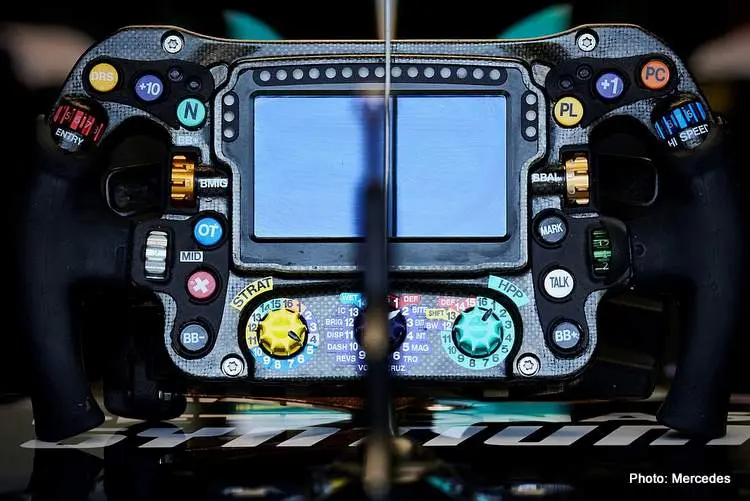
Not just a sport, Formula 1 (F1) is the worlds fastest sport, requiring immense speed and perfection!
F1 has developed from being a test of driving ability over the years to embodying a complex mixture of technology, aerodynamic, strategic processes and split-second decisions.
These cars are engineering marvels, mirrors of the industry and where it is going. Learn how the state-of-the-art technology made F1 evolve this way. Finding best betting markets for F1 is now easy at http://genome10k.org.
The Early Days of Automotive Sport: Speed and Simplicity

Formula 1 commenced in 1950, and back then the cars were much simpler than today — lightweight chassis making use of naturally aspirated engines which stressed to comply with regulation for their age. On the grid, big engine teams like Scuderia Ferrari, with Alfa Romeo and Maserati sorted properly in there as well. Safety was limited and drivers frequently exploited this by taking enormous chances driving on circuits with very few barriers or escape roads.
At this stage much more concern was in producing the engines to a better performance and reliability. The front-engine configuration was the norm until 1959, when Cooper's rear-engine revolution began. The car now handled and balanced much better, which was the cornerstone of all modern F1 vehicles.
The Aerodynamics and Downforce Revolution: Ground Effect and Wings

The 1960s and '70s were a different story as aerodynamics started to come into play. Lotus of course was the original innovator, its founder and guiding light Colin Chapman remaining a fearless banner waver for adding wings to bodies in motion--effectively gluing his cars to the track at high speeds.
The Lotus 79, dubbed the "Black Beauty," was one of the first cars to comprehensively exploit ground effect and it ran rings around its rivals during throughout much of 1978 thanks to unconditional cornering grip.
These changes turned F1 racing cars from being simple speed machines into complex, specialist race weapons where downforce and aerodynamics were almost as important as power. The cars grew faster, but also more difficult to both develop and drive, resulting in a technological war between teams.
First F1 Turbo Era: Power Wars of the 1980s

The 1980s ushered in turbos, and soon we had engines that produced upwards of 1,000 horsepower (745 kilowatts) in qualifying trim. The likes of McLaren, Williams and Renault effectively broke the chemists back when it came to using turbochargers in order to wring massive power from small capacity engines.
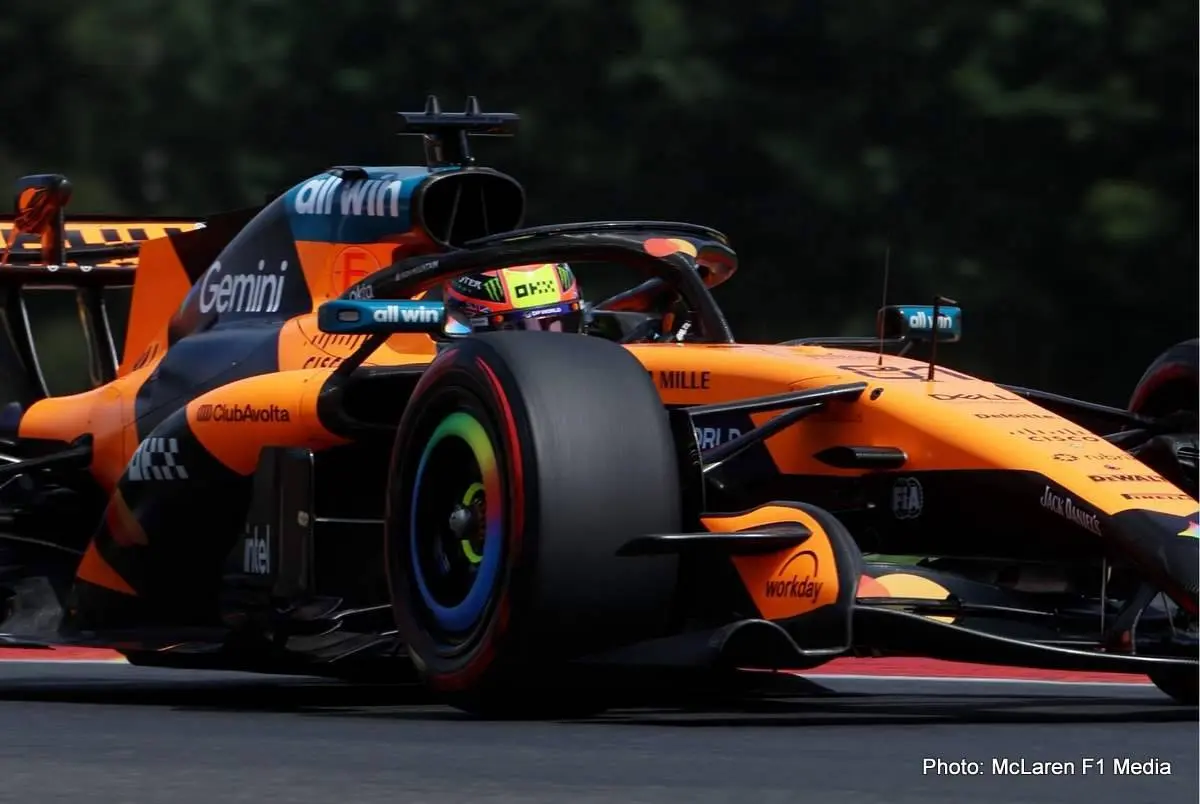
The infamous McLaren MP4/4 was just too dominant during the 1988 season, claiming a record-equalling six one-two finishes and winning all but one race (15 out of 16) with its turbocharged Honda engine/aerodynamic mix.
The era also produced some of the fastest and most thrilling cars in F1 history, but it was clear after Senna's death that far greater regulation standards were required. The phalanx power rendered the cars a bit of handful to control and their reliability often meant that each race, whilst awe inspiring were also incredibly dangerous.
The Rise of Electronics and Driver Aids

Being able to better control their car in challenging circumstances enabled drivers to put more and should mean results were a little less variable across races. Williams, for its FW14B and the sophisticated active suspension system used throughout early '90s to maintain perfect balance through corners.
But these driver aids also stirred arguments over the authenticity of the sport. Fans and drivers alike thought a lot of the work was now being done by technology, so in the mid-90s many electronic systems were outlawed to focus more on driving skills.
F1 Hybrid Power Units: The Modern Era of Engines

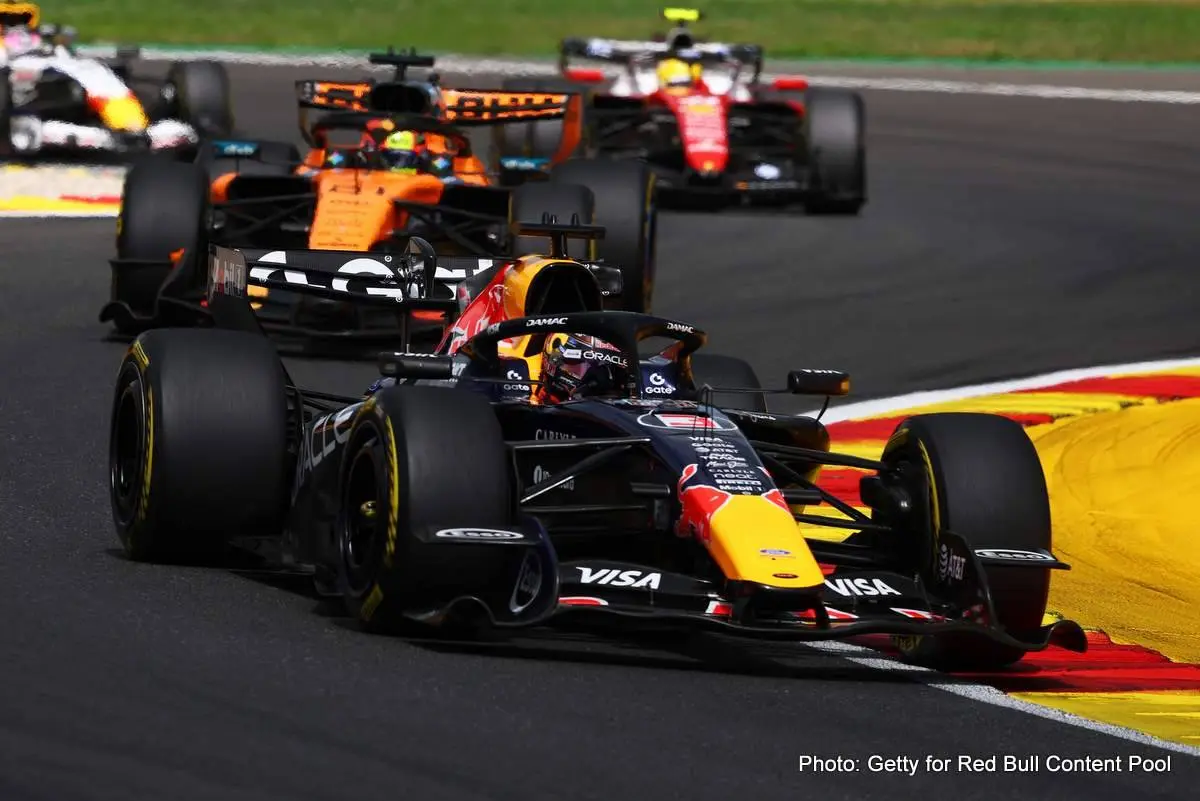
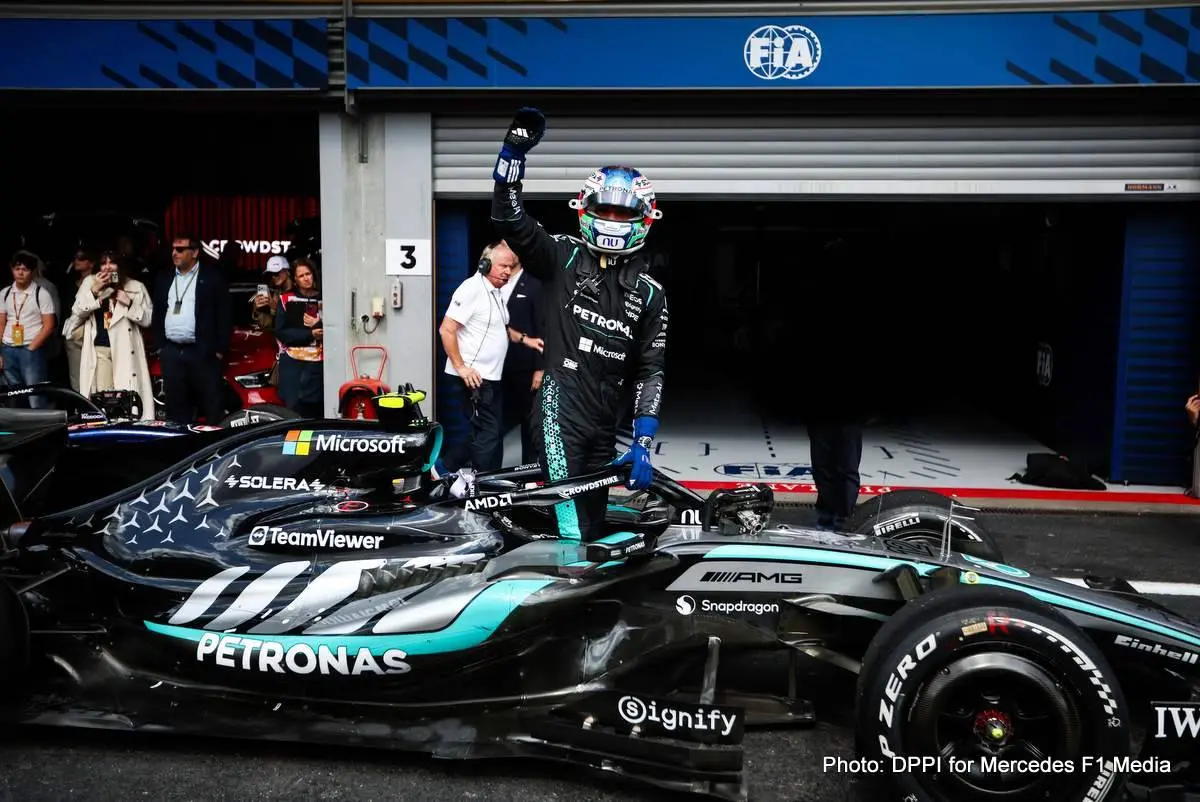
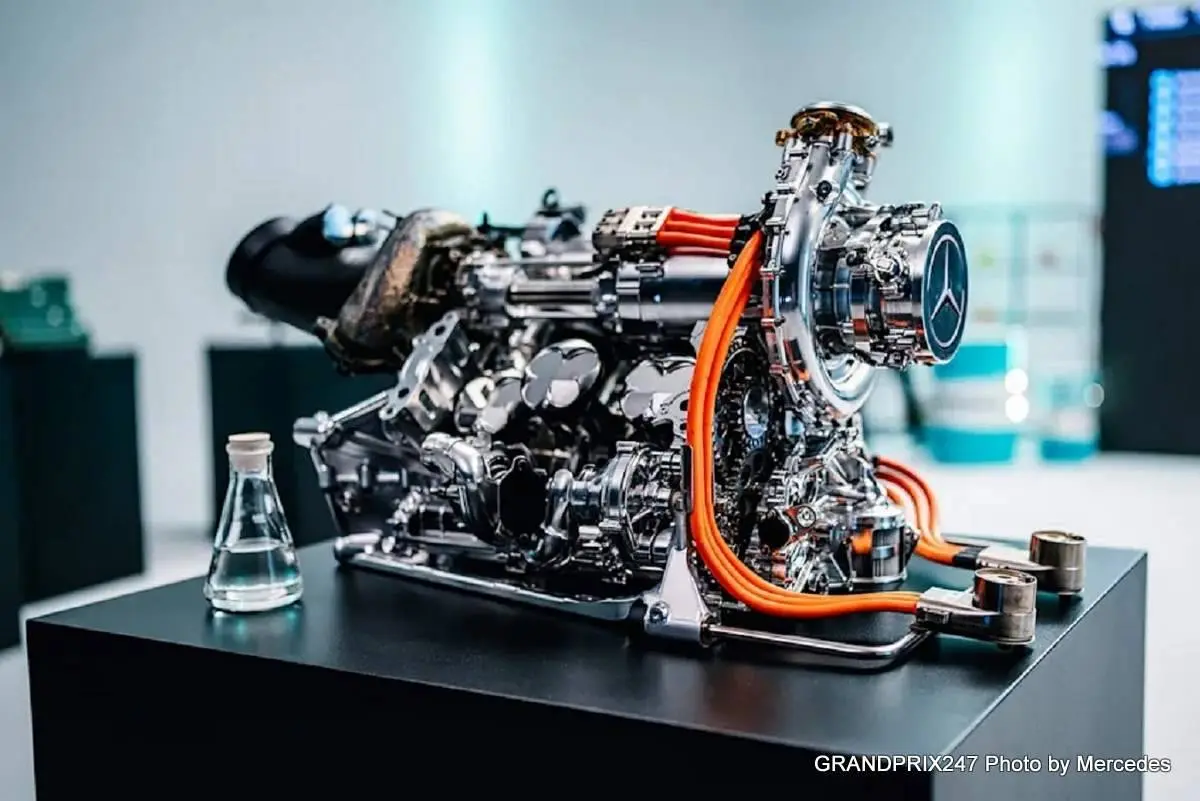
F1's biggest technological revolution of modern times remains the arrival of hybrid power units in 2014. F1 power units mate conventional internal combustion engines with sophisticated energy recovery systems to create some of the most powerful and complicated machines on earth. Mercedes is one of the few teams to get hybrid technology right, resulting in such dominant machines that are not only quick but fuel-efficient.
Drivers today are having to manage complex energy systems on the fly as they race well past 200 mph, and hybrid power precisely changed what is physically possible for car performance. Whilst the demand for speed continues, F1's focus on hybrid technology also shows its desire to not only embrace sustainability but also relevance to automotive future.
F1 Safety Innovations: Protecting the Drivers

Safety is the element of F1 that has evolved most dramatically, going hand-in-hand with advancements in materials to protect drivers during high-speed impacts and innovations such as cars' crash structures.
Certainly, car design is now examined in every imaginable way to make sure a car will crumple in just the right way when it impacts anything harder than stale Krispy Kreme. But safety technology has become nearly as crucial on some levels as horsepower or 0-60 times
Conclusion: A Constant Evolution of Formula 1

But while not all changes in Formula One rules are sensible, the evolution of F1 is an indication of just how relentless this sport really wants to become. Whether you look to the basic race cars of the 1950s or today's hybrid-powered, aerodynamically advanced machines, F1 has always been about pushing what is physically possible. The debut of the next generation car in 2022 will only carry that momentum forward for a new NASCAR era full of advanced technology, sustainable solutions and heightened excitement.
In the world of Formula One, cutting-edge technology and relentless research and development have revolutionized the sport, transforming Formula 1 cars into highly sophisticated machines.
With advancements such as carbon fiber construction, V6 engines, and real-time data analytics, teams push the boundaries of motorsport to gain a competitive edge. Sensors and augmented reality enhance the viewer experience, making each Grand Prix a spectacle for millions of fans across continents.
The FIA's technical regulations ensure safety while allowing for innovation, enabling smaller teams to compete alongside giants like Lotus F1. Through this technological leap, Formula One continues to evolve, maintaining its position as a driving force behind motorsport innovation since its inception.
Latest News



Loading