Evolution of Formula 1: Technology & Strategy redefine racing
F1 NewsSaturday, 08 November 2025 at 06:05
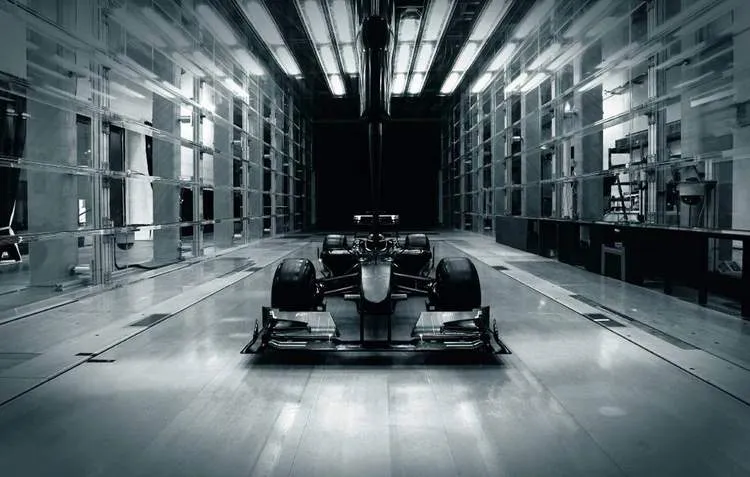
In the high-octane world of Formula 1, the difference between victory and defeat often comes down to milliseconds — and in today’s era, those milliseconds are increasingly won not just by drivers, but by data, technology, and team strategy.
The sport has evolved far beyond the raw, mechanical battles of the 20th century. Modern F1 is now a dynamic fusion of precision engineering, artificial intelligence, and human intuition, transforming how teams compete and fans engage with the spectacle.
Formula 1 used to be defined by mechanical ingenuity and the driver’s sheer courage. But as technology advanced, so did the race to innovate. Now, teams rely on an intricate network of sensors generating terabytes of data every race weekend. Engineers monitor tire temperatures, fuel flow, aerodynamic drag, and even driver biometrics — all in real-time. The result? Split-second decisions that can make or break a Grand Prix.
The sport’s digital transformation has also reached the fans. Virtual dashboards, telemetry feeds, and AI-powered simulations now give enthusiasts a window into the strategic mind of the pit wall.
For those who thrive on prediction, precision, and risk, the same analytical thrill can even be found beyond the racetrack — in digital arenas where chance and strategy intertwine. Learn more about Winna to explore how gameplay and technology combine to create experiences that echo the high-stakes excitement of motorsport itself.
True Grit to Giga Bytes: Power of Hybrid Innovation

Since 2014, Formula 1 has operated under the hybrid power unit era — a revolution that blended performance with sustainability. Modern engines are not just powerful; they’re masterpieces of energy recovery and efficiency.
The MGU-K and MGU-H systems recover kinetic and thermal energy that would otherwise be wasted, repurposing it for acceleration and improved efficiency. This makes F1 one of the most advanced laboratories for clean energy research on the planet.
Yet, this hybrid era has sparked debate. Purists lament the loss of the visceral sound of the V10s and V12s, while others celebrate the sport’s progress toward a more sustainable future. With new regulations set for 2026 introducing fully sustainable fuels and simplified power units, Formula 1 stands at another technological crossroads — one that aims to balance spectacle, sustainability, and cost.
In modern F1, every lap is a math problem in motion. Race engineers use predictive modeling and machine learning to simulate thousands of potential race outcomes before a single car even leaves the garage. During a race, live algorithms constantly process data from competitors, tire degradation patterns, and weather forecasts to optimize pit strategies.
The Human Element Remains

Teams like Mercedes and Red Bull have become masters of this art, turning complex data into strategic gold. In the 2021 title-deciding Abu Dhabi Grand Prix, for example, the balance between instinct and analytics was on full display. It highlighted how a single call — when to pit, which tires to use, or when to deploy a safety car strategy — can define an entire championship.
For all the computational precision, Formula 1 remains a human endeavor. Drivers like Max Verstappen, Lewis Hamilton, and Charles Leclerc prove that instinct, courage, and adaptability still define greatness. No amount of simulation can replicate how a driver feels the grip through the steering wheel or senses opportunity in a split-second overtaking move.
Similarly, the team dynamic — from pit crew coordination to leadership under pressure — continues to be the heartbeat of F1. In a sport where technology reigns supreme, it’s still the human element that gives the race its soul.
The Future: AI, Sustainability, and the Expanding F1 Universe

Looking ahead, artificial intelligence, electric vehicle technology, and biofuels are poised to reshape motorsport once again. Formula 1’s 2030 net-zero carbon goal will likely push innovation into new territories, from advanced synthetic fuels to recyclable materials used in car design.
This technological trickle-down could influence not just racing, but the future of everyday mobility. Meanwhile, Formula E, endurance racing, and even sim racing are expanding the ecosystem of motorsport fans and competitors alike.
Virtual racing platforms are blurring the lines between professional drivers and gaming prodigies, creating a new era of digital motorsport. As Motorsport.com recently reported, the industry’s focus on sustainability is not just a trend — it’s a defining shift that will shape racing’s future for decades to come.
Formula 1 has always been about evolution — from engines and aerodynamics to the very definition of what racing means. Today, as data, technology, and sustainability intertwine, the sport stands as both a mirror of modern innovation and a reminder of humanity’s relentless pursuit of perfection. The future of F1 is not just faster; it’s smarter, greener, and more connected than ever.
Latest News



Loading