Braking Point: Can McLaren really return to the front in 2021?
F1 NewsMonday, 01 February 2021 at 17:00
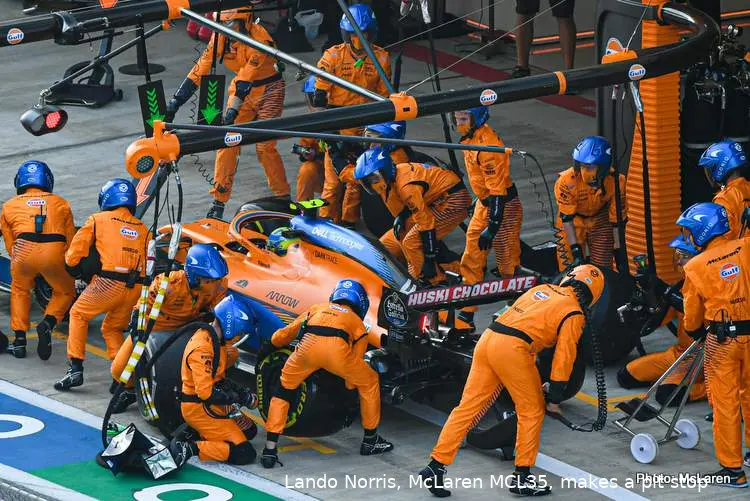
Like a number of the commenters on this website, I am absolutely fascinated by the potential of McLaren in 2021.
After a period of dramatic decline during the mid to late-2010s, they have managed to get back on their feet in recent seasons under the management of Zak Brown and Andreas Seidl. A fourth-place finish in 2019 was shown not to have been a fluke last season, as they fought off Racing Point and Renault to secure third place in the constructors' standings, their highest finish since 2012. They also agreed that it would be their last campaign with Renault engines, opting to rekindle a partnership with Mercedes which ended in 2014 after 20 years, three drivers' championship wins and one constructors' championship.
The break up of the Lando Norris and Carlos Sainz driver pairing is something of an inconvenience, but with Daniel Ricciardo replacing the Ferrari-bound Spaniard, they are welcoming a highly-skilled and very experienced alternative. So with all these exciting pieces in place, what can they achieve this coming season?
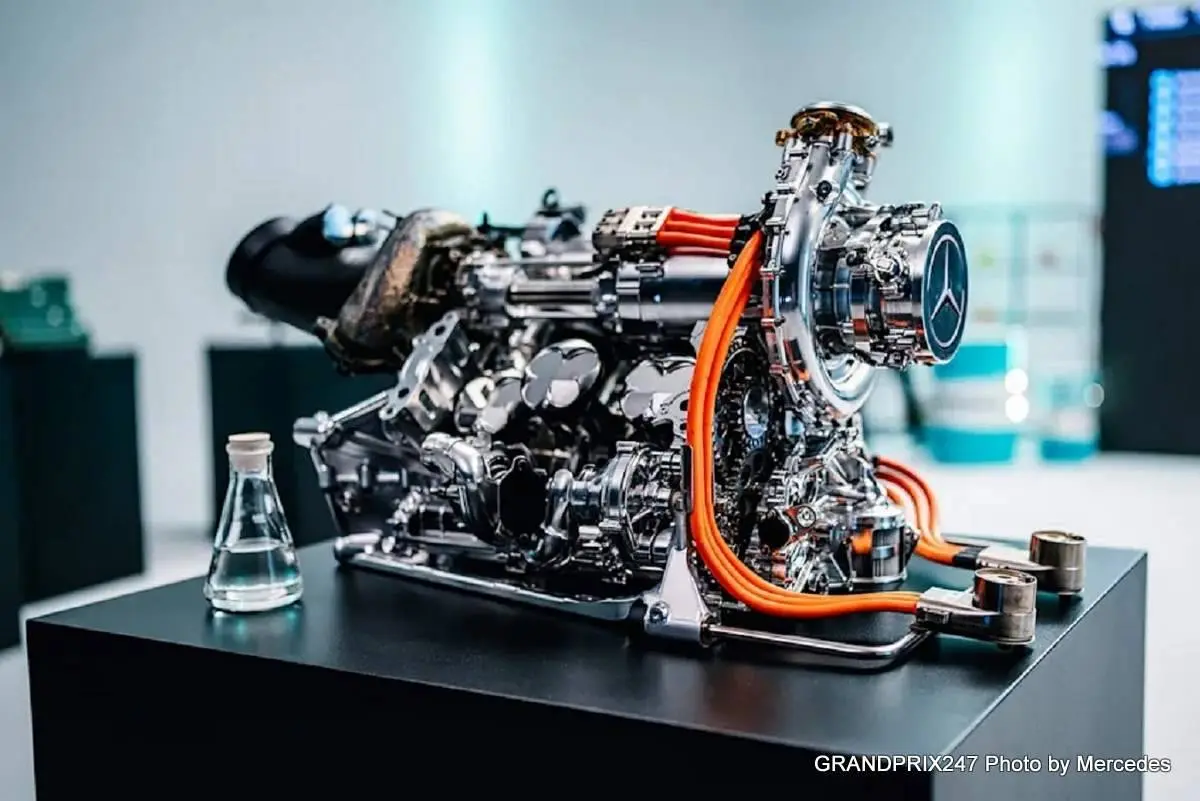
Primarily, the goal will surely be to finish third in the constructors' championship once again, validating their progress and putting themselves in a position of strength going into the new regulations. While they will expect to make progress with a Mercedes power-unit in the back, Ferrari have made changes to their own engine and rebadged rivals Aston Martin and Alpine remain a threat. Furthermore, production director Piers Thynne admitted last week that they have had to make some fairly substantial changes in order to package the new engine.
"Whereas every other team will carry over most of its car from last year into this year, our switch to the Mercedes power unit means that's not the case for us," he told Autosport. "It's driven a huge amount of change and, essentially, we've been building a new car.
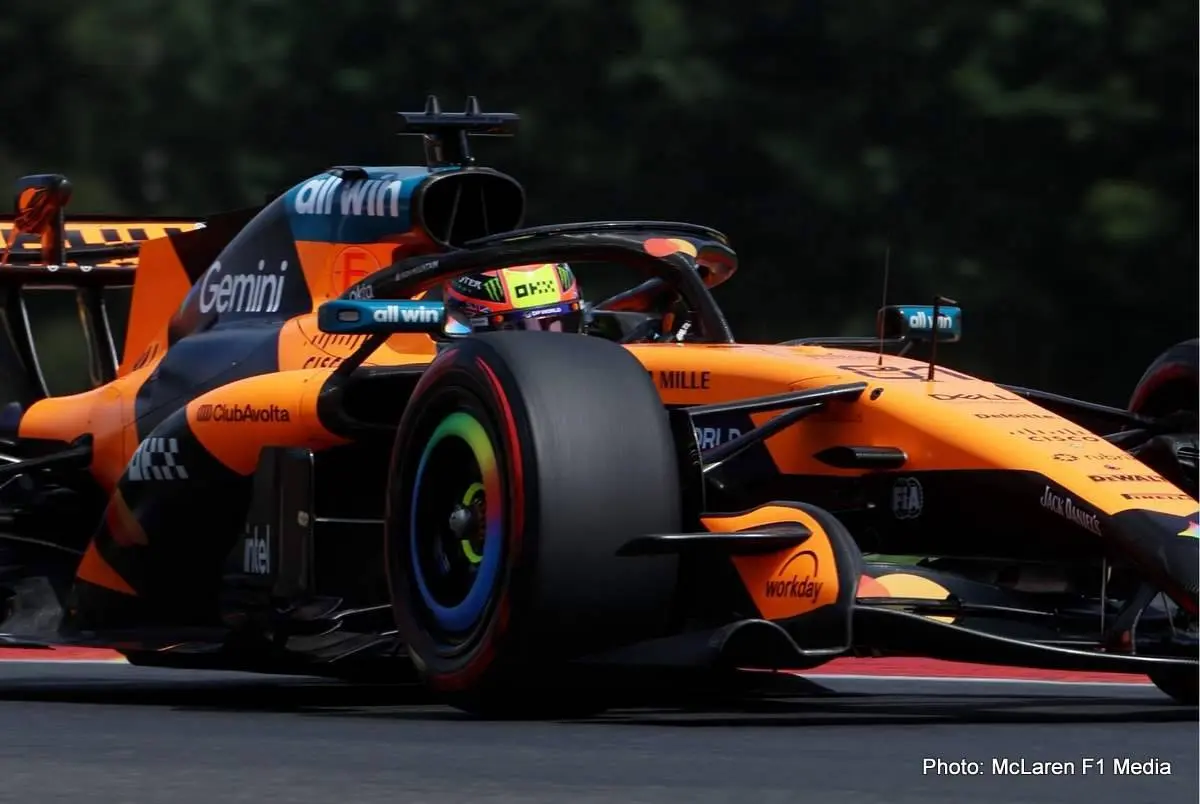
"The number of new parts on the MCL35M is about the same as when we built the MCL35. The back of the chassis and gearbox bell housing around the engine have changed significantly to adapt to the new power-unit."
Now, these changes will not necessarily result in gains and the engineers need to work quickly in order to understand the aerodynamic differences that result from the enforced adaptations. There is a presumed advantage to changing over to what most consider the best engine in F1, but it is not always as simple as that.
In a more general sense though, the team have made significant aerodynamic gains over the past two years, enabling them to consistently outperform their engine supplier Renault. Nonetheless, technical director James Key noted that there remain areas in which they need to improve.
“We still need to improve ourselves a bit in low speed," he told Motorsport.com. "It’s not quite as weak as it was, and that was one of the big pushes to try and improve that low speed, balance and consistency that we had in certain types of low-speed corners."
Given what McLaren have achieved in recent seasons under Brown and Seidl, the excitement about their progress is not misplaced and there is warranted confidence that they can work around some of the questions highlighted above. With the engine formula not set to change until at least 2025, they have a great window for growth and provided they can get the 2022 regulations right, they should be aiming to make a return right to the very front.
For this coming season though, a second consecutive third-place finish in the constructors' championship would still be a tremendous achievement. Building a winning team takes time and internally I am sure that winning is the target for 2022. That is not to say that they cannot become a fringe contender this season too, or that I am any less excited to see what the MCL35M has to offer. Instead, I think it is fair to hold judgment on the team as they make this adaptation and work towards becoming a genuine contender once again.
The Braking Point is an opinion piece by Will Dodds, GrandPrix247 editor
Latest News

Loading