When famous Formula 1 drivers such as Lewis Hamilton and Fernando Alonso are not enjoying a high-octane rush in their Ferrari racing cars on the race track winning multiple races, they use their calculated skills in other arenas such as playing games that need similar quick decision-making skills, such as a game of Poker.
GGPoker being just one of the platforms where they are able to take these abilities to. Making choices on when to push forward is similar to what they do on the track, and thus changing the way conventional players see the game as well.
In other instances, their Formula 1 teams are changing the world in other ways, and not many consumers know this but the industry has had its hand in creating technological innovations across many sectors that far surpass that of their cars alone. Below we tap into some of these ground-breaking ideas that are helping our future more than you realise.
Improved Safety
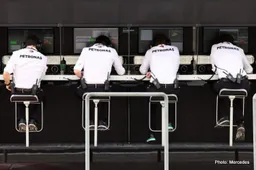
One great example of where formula 1’s safety measure has been integrated into daily life is the Ferrari Formula 1 Team skills. These highly accomplished individuals were sought for help when a children's hospital in the UK was looking for a way to minimize the risk of moving its patients from operating rooms to the ICU (intensive care units).
Their pitstop process attracted doctors who could see similarities with their team of anaesthetists and surgeons and needed a way to move all the equipment, the patient and information safely and securely within the quickest times.
The Ferrari team suggested a protocol with better coordination and teamwork as well as sophisticated procedures which, when practised, reduced the rate of faults from 30% to 10% in both the informational and technical conventions. The real gain for both doctors and patients was safety.
Electrical Vehicles
The surge of electrical vehicles over the past few years has seen a lot of automotive industries taking a page out of the formula 1 handbook. Tesla, for instance, has seen a spike in deliveries of their Evs (Electric Vehicles) in 2020 to over 135,000 cars. The European markets have predicted that by the end of 2021 this figure will triple in number.
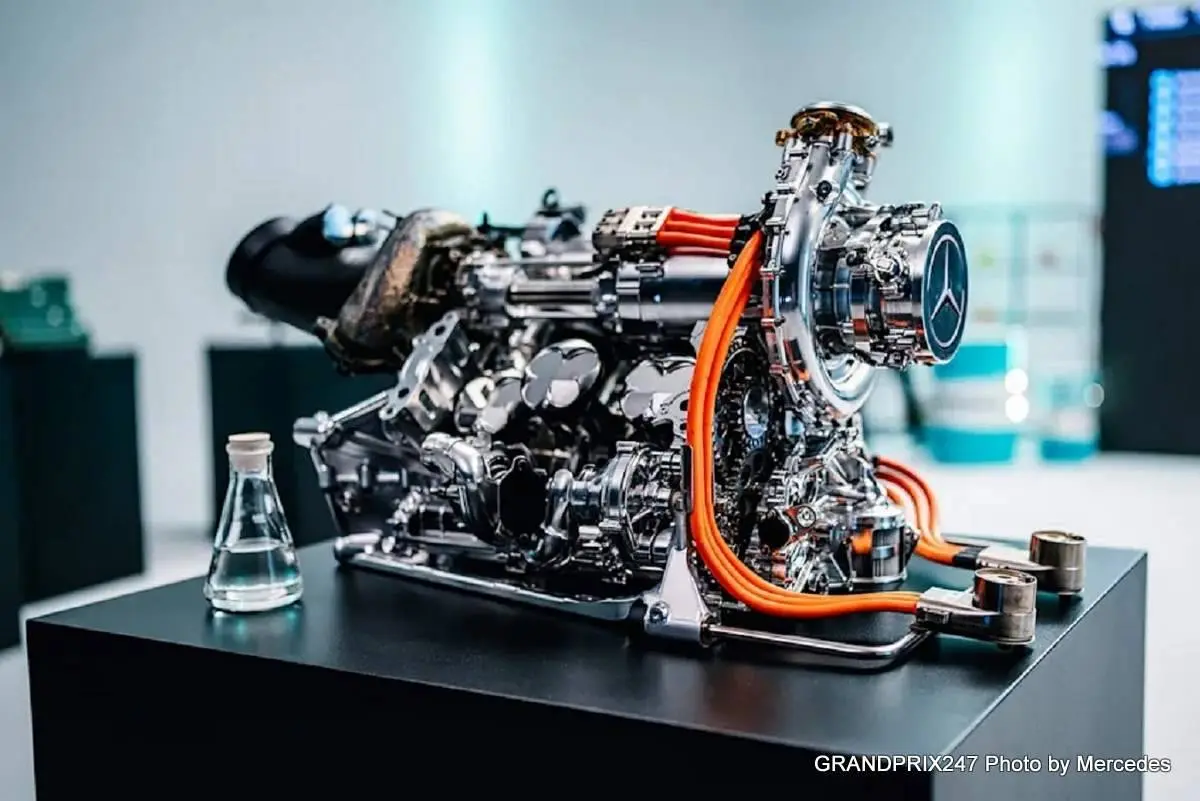
On the race track, the majority of the Formula 1 cars are versions of hybrid-electric models, built with advanced motor generator units, and this has extended to motor vehicles throughout the world, becoming some of the lightest, reliable hybrid vehicles on roads. Thus increasing thermal efficiency and lowering the weight of cars as well as being sustainable to the environment.
Toothpaste Manufacturing
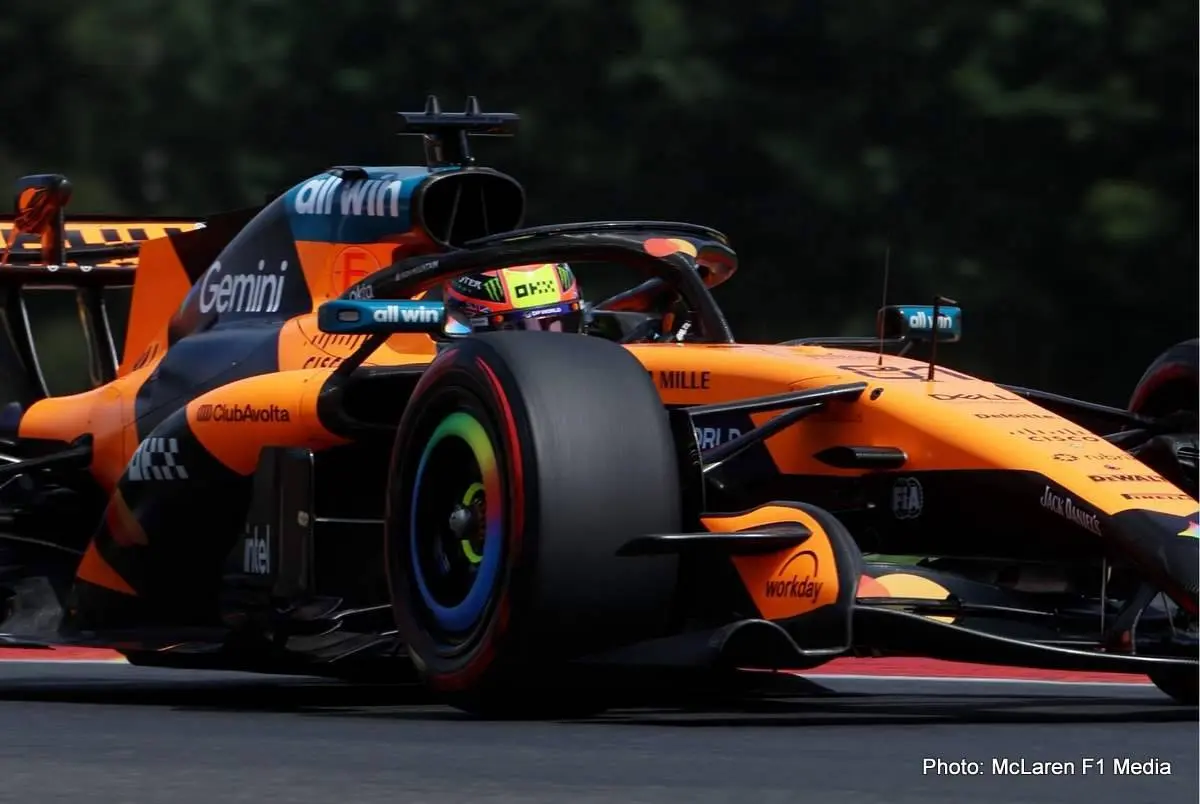
That’s right, toothpaste. Formula 1’s efficiency has also been extended to the consumer manufacturing industry and McLaren’s engineers and scientists have collaborated with pharmaceutical companies such as GSK (GlaxoSmithKline) in analyzing, interpreting and presenting a wealth of data for its research and development teams.
In minimizing the downtime and changing production technologies to improve quality and safety, the teams have helped improve the changeover times from 40 minutes to 12 minutes. The toothpaste factories have seen a significant improvement in numbers of filling their tubes with an extra 6 million-plus tubes.
Other Innovations Formula 1 Has Helped With
We mentioned better hybrid cars above, but there are also the benefits that come from better public transportation systems.
McLaren, for instance, applied technologies to help solve issues in the public sphere by using its technology to develop 5G infrastructure that connects road, rail and underground transport services. With their help, the future of autonomous vehicles and 5G is set to increase in its capabilities offering more advanced solutions.
Latest News



Loading