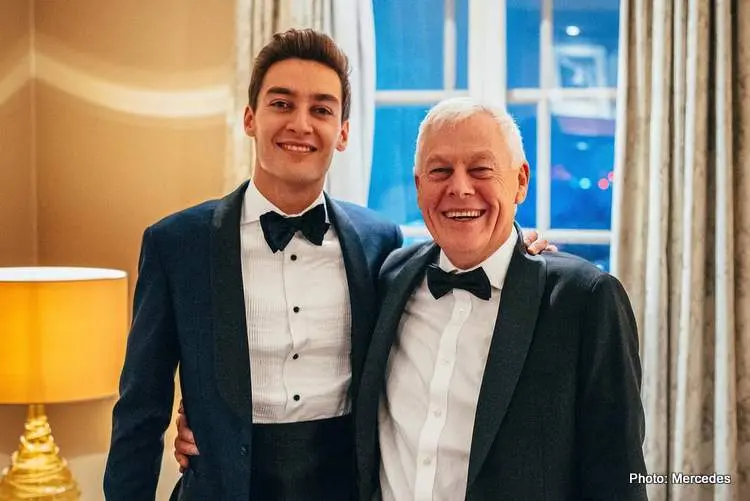
Mercedes Formula 1 driver George Russell opened up about the sacrifices his family made to support his career, revealing the pressure his father placed on him throughout his karting years and how those experiences continue to shape him as he fights for future World Championships.
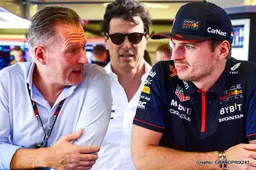
Much has been written about how tough Jos Verstappen was on Max when the four-time F1 World Champion was making it through the karting ranks. Also famous is how Anthony Hamilton juggled two jobs to keep Lewis racing. Now it emerges that Russell also has Dad stories to tell!
Reflecting on a two-decade journey that began at a local kart track in King’s Lynn (England), Russell explained on the Untapped podcast with Spencer Matthews: “For me, it’s been like climbing a ladder. You start as a young kid at your local go-kart track, and winning your first race is a step. Winning your first championship is the next. You progress through age categories, and suddenly you’re closer to your dream.
"There were years when I thought Formula 1 might not be possible, but then things changed, and the dream was back on. I recognize how fortunate I am to drive the fastest cars in the best places in the world—that’s all I ever wanted to do.”
It was just my father with a stopwatch

Russell began karting at seven, and while he showed speed immediately, his father Steve never let him get carried away. “I jumped in, started winning races, and was fast. But my father was so hard on me, I always felt I wasn’t good enough.
"Back then, go-karting didn’t have data analysis or lap times on practice days. It was just my father with a stopwatch. I learned after about five years that he’d always time me late, so my lap times looked slower than they were. He did it to keep me grounded and not overly confident. It was an amazing lesson.”
That lesson, however, came with emotional strain, recalled Russell: “My father worked every day, leaving before I woke up and not returning until 8 or 9 p.m. when I was already in bed. I wouldn’t see him during the week. Then we’d jump in the van on Friday nights, traveling up and down the country.
"If a race weekend wasn’t good, he’d be screaming, pushing me hard. As a kid, I thought, ‘I barely see my father, and when I do, he’s upset with me.’ That was tough. But around 17, I recognized the financial and time investment he made. Those years from seven to thirteen shaped me, and I have him to thank for that," declared the 27-year-old Briton.
Joining Mercedes a turning point for Russell at 17

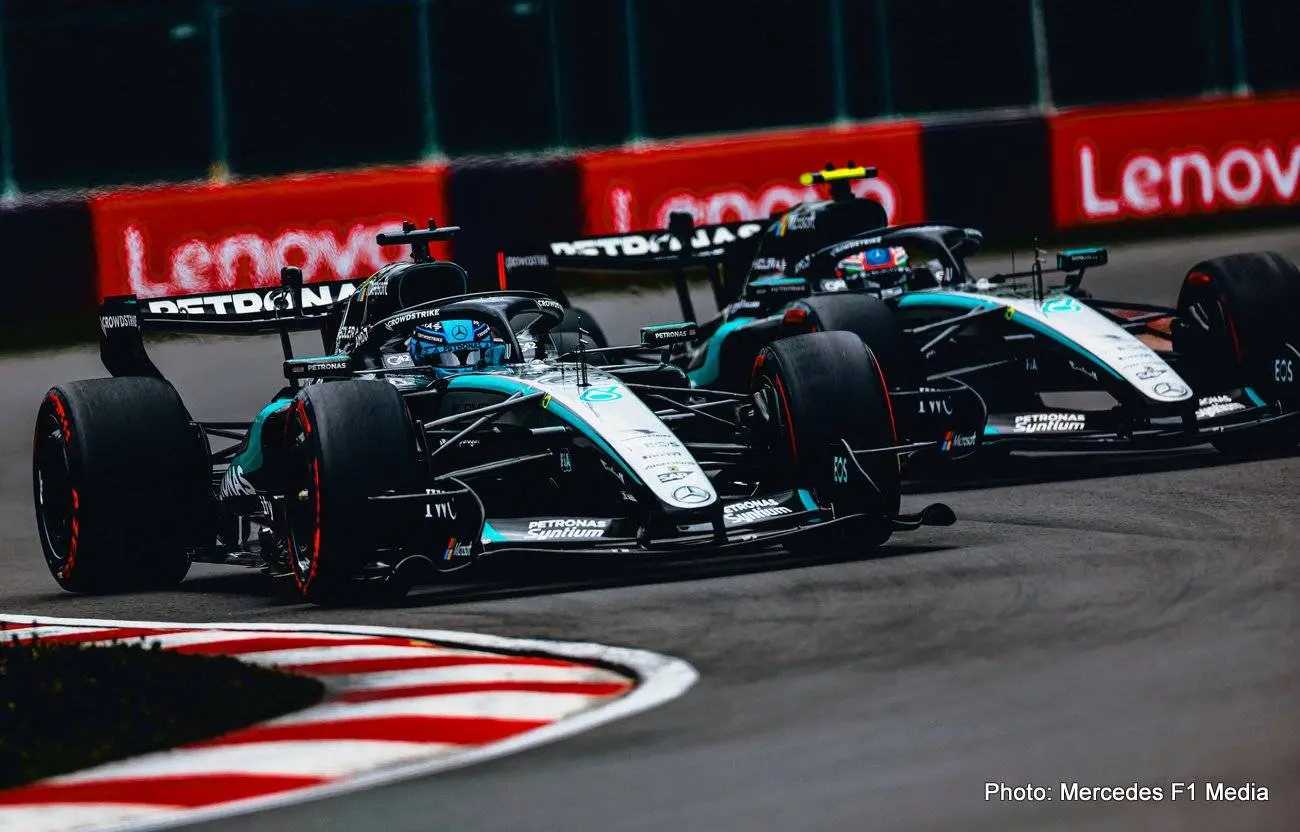
When Russell joined Mercedes in 2022 after three seasons with Williams, the challenge was enormous: “It didn’t feel like one step up the ladder—it felt like three. I was stepping into Lewis’s team, built around him for ten years. I felt fast, young, and ready, but I didn’t know how I’d stack up.
"I had a great conversation with my psychologist and we concluded that when I put on my helmet, it shouldn’t matter who’s in the next garage, whether it’s a seven-time world champion or a rookie. I also accepted that beating Lewis 55% of the time over a season would be amazing, because I can’t expect to dominate the greatest of all time.”
Russell admitted he linked his goals directly to Hamilton: “In my head, I thought beating Lewis would make me a world champion, as teammates who beat him in the past became champions. My goal was to be world champion, but beating Lewis was intertwined with that.”
With Mercedes no longer in title-winning form, Russell has had to temper expectations: “Formula 1 is frustrating. You have the 20 best drivers, yet only four might win races in a season, and maybe two fight for the championship.
"Compare that to football, where even the worst Premier League team wins a few games. In F1, most drivers don’t taste victory. I still believe my time will come. I don’t know when—next year, two years, five, or ten—but I’m ensuring I’m ready every day.”
Russell: Winning the championship this year isn’t realistic

Russell now focuses on realistic goals: “Winning the championship this year isn’t realistic, so we focus on achievable targets, like fighting for a podium. Taking small victories prevents a negative psychological spiral that could hurt performance later. You do it to stay at 100%.”
At 6’2”, he is one of the tallest drivers on the grid, making fitness and recovery crucial. “Weight is an issue, so nutrition is critical. I travel with my own pillow and duvet for consistency, keep my room pitch black at 18°C, and eat the same foods worldwide, sending recipes to hotel chefs. Psychologically, I work with a professional to handle successes, tough races, and the ‘emotional hangover’ after a race weekend.”
Russell believes his best years are ahead of him: “I had a conversation with Novak Djokovic about performance. In his 20s, he could skip a gym day but didn’t, and that discipline lets him play into his late 30s. F1 isn’t as brutal as tennis, but I want to race into my 40s, inspired by Alonso. Schumacher won his first Ferrari title at 32, I’m 27, so there’s time.”
When all is said and done, George credits his father’s intensity for instilling that resilience: “I wouldn’t be here without my father’s push. Maybe I’d be happier doing something else, who knows? But all I wanted was to be an F1 driver, and his intensity made me who I am.”
Russell concludes: "There’s no right or wrong way to raise a kid. I wouldn’t be here without my father’s push, but maybe I’d be happier doing something else—who knows? All I wanted was to be an F1 driver, and his intensity made me who I am."
Latest News
Loading