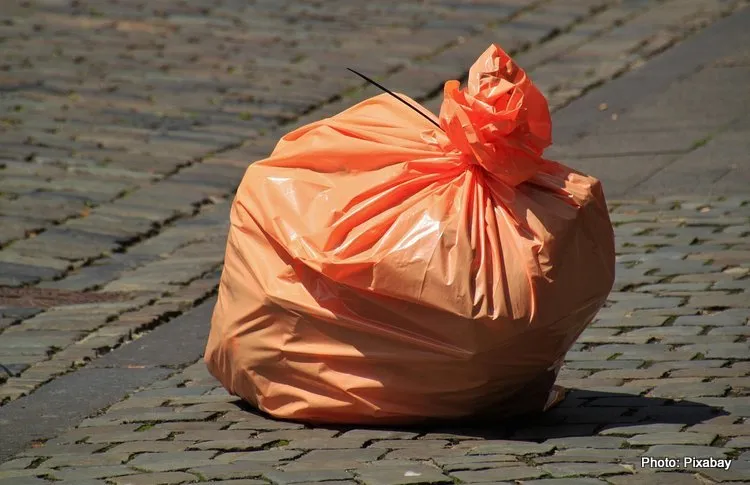
Ban policies are usually made by the authority to ensure the consumer's well-being. Over the last two decades, plastic bag bans have emerged as a major policy tool for reducing plastic pollution and boosting environmental sustainability.
A lot of states and countries implement bans like gambling physically or online on platforms like the vulkan vegas casino, on specific foods like pufferfish in Australia and the EU, or restrictions on salmon fishing in the Teno River between Finland and Norway.
These bans are directed towards reducing the environmental impact of single-use plastics, which are a major contributor to landfill waste, marine pollution, and greenhouse gas emissions.
Which is a good thing, right? However, the ripple effect of these embargoes extends beyond environmental outcomes. They have majorly altered consumer consumption, shopping habits, and business operations worldwide.
This special report, for our Formula 1 fans interested in environmental matters, is about the psychological and practical responses to this policy and its implications.
Reasoning Behind the Plastic Bag Ban
Plastic bags are light, cheap, and convenient. However, their very convenience has become their curse as millions are thrown away every day, with only a small percentage recycled. About 5 trillion plastic bags are used worldwide every year, with a typical usage lifespan of 12 minutes, according to a UN Environment Report. These usually end up in oceans and waterways, where they threaten marine life and contaminate food chains.
In response, more than 100 countries have implemented a partial or complete ban with the aim of minimizing consumption and encouraging the use of environmentally friendly alternatives.
Consumer Response
The most instant and visible influence of this restriction is behavioural change at the point of purchase. When consumers are no longer offered free bags or must pay for them, they usually change their habits to avoid inconvenience or extra costs. Thereby, leading to the following:
- Enhanced use of reusable bags: One of the major changes is the widespread adoption of reusable bags. Shoppers are now more likely to bring their own totes, cloth bags, or even old plastic bags to stores. Retailers have now reported a spike in sales of reusable bags post-ban, indicating a shift in consumer mindset from disposability to sustainability.
- Bulk purchase & better planning: Shoppers, particularly in regions where driving to a store is the norm, have adapted by planning shopping trips more efficiently. Nowadays, many consolidate purchases to minimize the frequency of trips, resulting in fewer bags used overall.
- Car boot storage habits: A survey in California shows that after the state’s plastic bags ban, consumers usually keep a set of reusable ones in their car boots. This pre-planning habit is a direct result of the inconvenience felt when reusable bags are forgotten. Therefore, showing how bans can lead to long-term behavioural conditioning.
Psychological & Social Factors Behind Behavioral Changes
This restriction taps into both economic and psychological motivations. On one hand, the monetary penalty for buying them discourages use, on the other hand, their social and moral undertones promote responsible consumerism. Let's dig further into the factors behind this reasoning.
Guilt & Moral Responsibility
When a consumer decides to purchase a plastic bag post-ban, they may feel guilt or shame, both internally and from perceived social judgment. This moral framing of environmental issues reinforces the behaviour change.
Power Influence & Normative Behaviour
As more people bring their own bags, the behaviour becomes normalized. New shoppers usually mimic what they observe. This creates a strengthening loop that encourages reusable practices.
Loss Aversion & Economic Nudging
Charging consumers a small fee of about 5 to 10 cents per bag can dramatically minimize plastic bag usage. This is because of the principle of loss aversion, where people feel the sting of a small loss more than the benefit of a similar gain. So, a bag fee is more effective than a discount for bringing your own bag.
Long-Term Habits & Cultural Changes
Initially, there was some resistance from consumers. Over time, plastic bag bans have contributed to a broader cultural change in attitudes toward waste and sustainability. It has helped to develop the following.
Environmental Awareness
According to studies, it takes an average of 66 days to form a new habit. Over time, bringing a reliable bag becomes second nature to many consumers. However, the act of deciding to bring a bag strengthens environmental awareness and encourages further eco-friendly behaviours like avoiding plastic packaging or supporting zero-waste stores.
Intergenerational Transformation
Schools and parents usually use the bag ban as a teachable moment. So, as children grow up in a system where plastic bags are no longer the norm, their default behaviour connects with sustainability principles. This promotes a long-lasting generational transformation.
Cooperative Sustainability Incorporation
Retailers have capitalized on the new habits by branding and selling reliable bags. This is usually a part of their corporate social responsibility efforts. It also contributes to a more eco-conscious market and strengthens brand loyalty among sustainability-minded consumers.
Powerful Tools for Social Change
The plastic bag may be a small object, but its removal from the consumer equation has proven to be a major step toward environmental responsibility. While this transformation is essential, it is not always seamless, and unintended consequences need to be addressed. Yet, the overall influence points toward a future where consumers, businesses, and the government come together in the shared pursuit of a cleaner and more sustainable planet.
Latest News











Loading