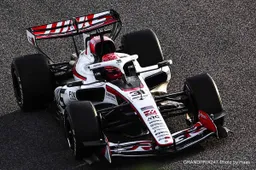
Pirelli preview 2026 Formula 1 season-opening Australian Grand Prix in Melbourne
F1 NewsMonday, 02 March 2026 at 13:52
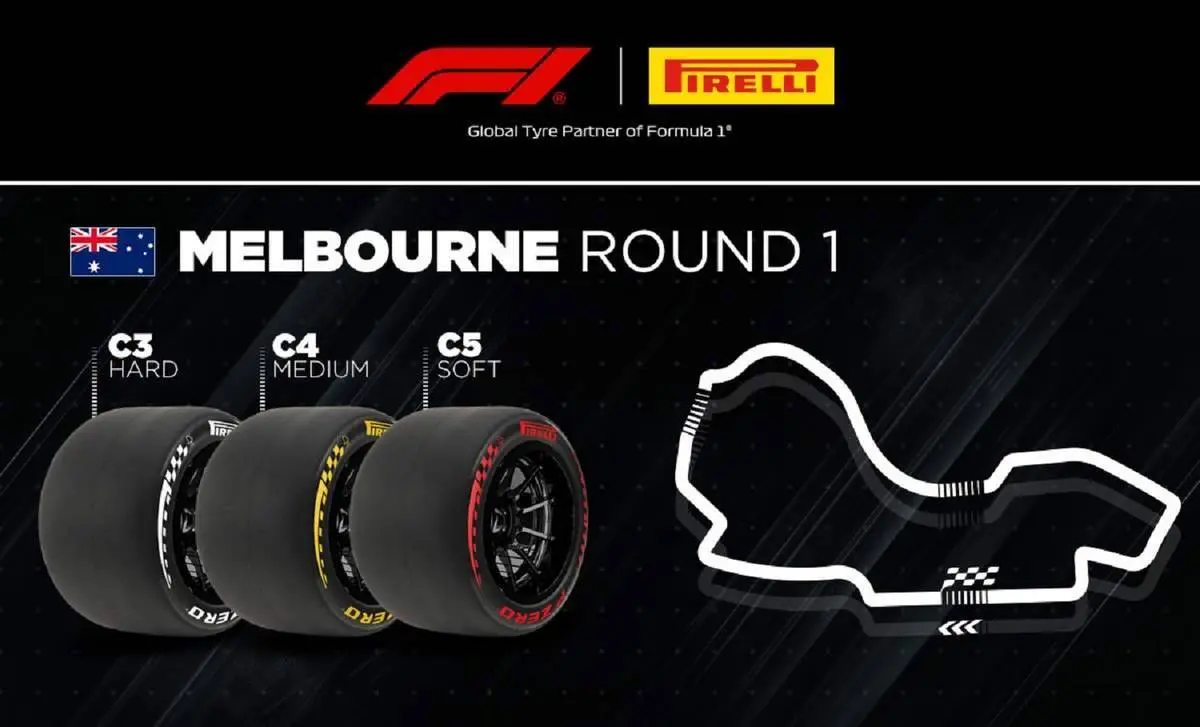
Melbourne launches the new Formula 1 season with more unknowns than at any point in recent years, as teams arrive at Albert Park with cars fundamentally revised in both power unit and aerodynamic philosophy.
The 2026 contenders have completed 9 days of pre season running between Barcelona and Sakhir, but their true competitive order is expected to emerge only during the Australian Grand Prix weekend.
Tyres have evolved alongside the cars. While retaining the 18 inch wheel rim, the new generation features a reduced contact patch and smaller overall diameter. There are 5 slick compounds in the range, from C1 to C5, supported by the Intermediate and Full Wet for variable conditions.
For the Albert Park event, Pirelli has nominated the 3 softest slicks, C3, C4 and C5, mirroring its choice from the previous 2 seasons.
Low degradation but strategic questions

The 5.278 kilometre Albert Park street circuit, which loops around the lake in Melbourne, blends long straights with low and medium speed technical corners. On paper, it does not place extreme stress on tyres.
Degradation at this venue is typically driven more by wear than by thermal stress. The surface, partly formed by public roads normally open to traffic, is smooth. In dry conditions last year, minor graining was observed, though at very low levels.
Practice sessions from Friday will therefore be closely analysed, particularly in how teams structure performance runs versus long runs. Melbourne represents the first competitive environment in which teams can fully deploy their new packages, making tyre evaluation central to unlocking outright pace.
Early sessions are also expected to focus on balancing temperatures between the two axles. With increased energy delivery from the power unit to the rear axle, managing asymmetry could become critical, especially over a single qualifying lap. Teams may explore differentiated tyre blanket temperatures or add a preparation lap before the flying effort.
Overtaking and weather could decide race shape

Predicting pit stop numbers remains complex. One variable is the load characteristics of each individual car, which could determine whether the softest compound becomes a viable race tyre on a circuit traditionally classified as low severity.
Another factor is overtaking. Although the new generation of cars is smaller, Albert Park remains a venue where executing a pass is not straightforward. The introduction of the new Overtake mode could influence strategy calculations if it enhances passing opportunities.
Weather is also a live concern. The Australian Grand Prix is staged at the start of autumn and has moved 1 week earlier than last year. Melbourne’s climate is known for rapid temperature swings and intermittent rainfall, adding another layer of unpredictability to a season opener already defined by technical unknowns.
Latest News




Loading