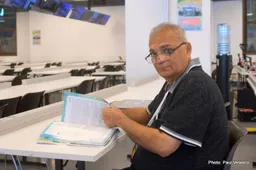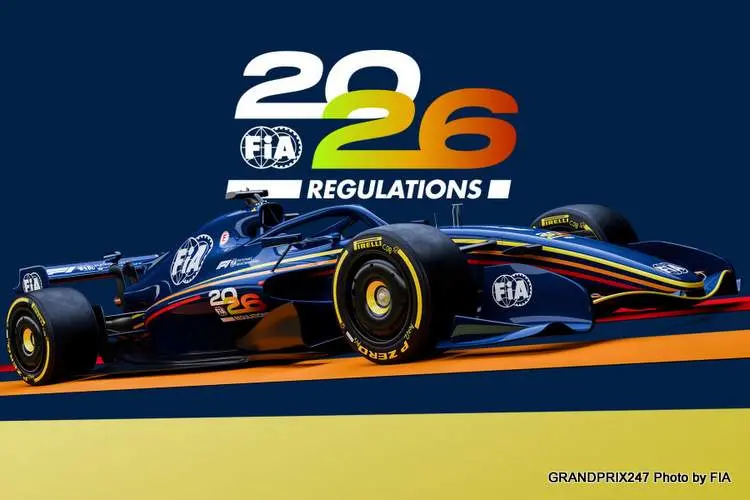
Adrian Newey believes the upcoming Formula 1 regulation change in 2026 that will feature new chassis and power units might end up being an engine formula.
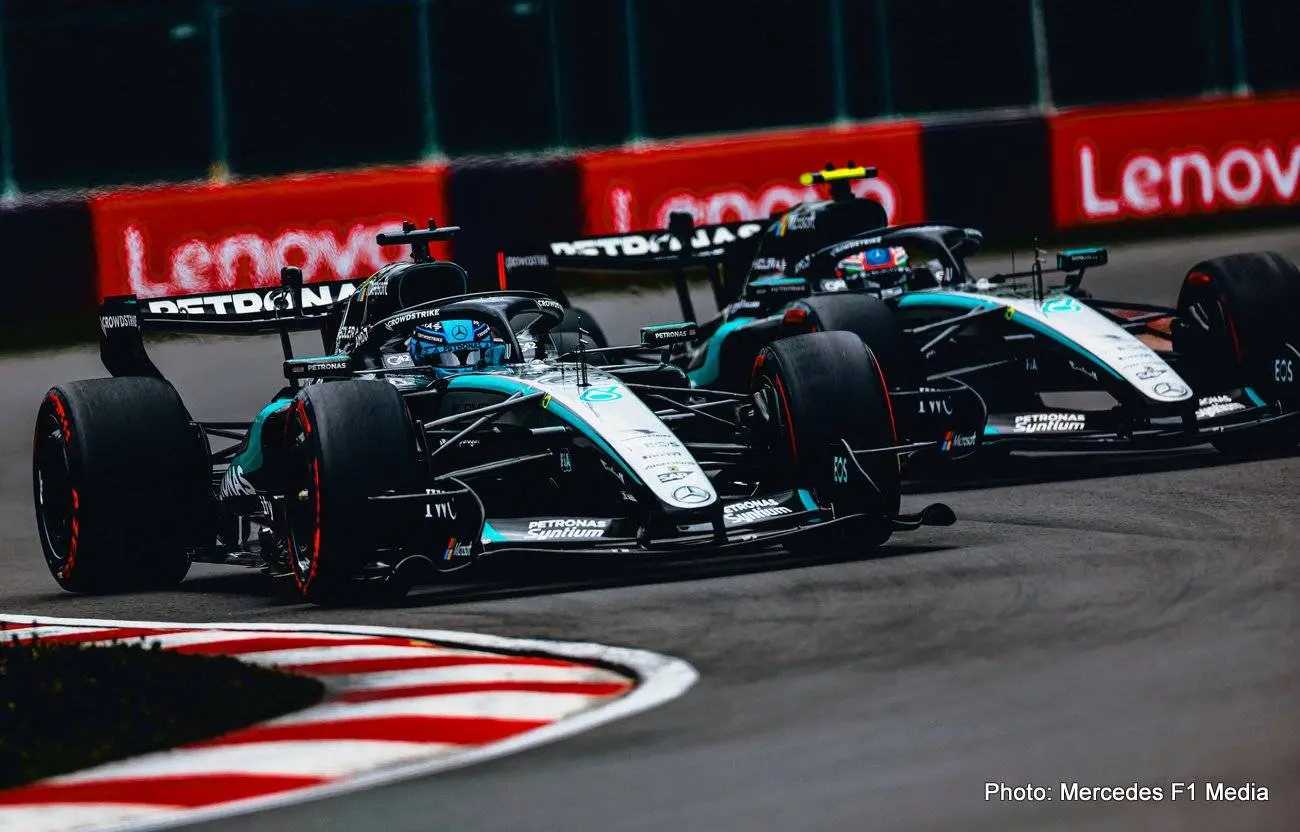
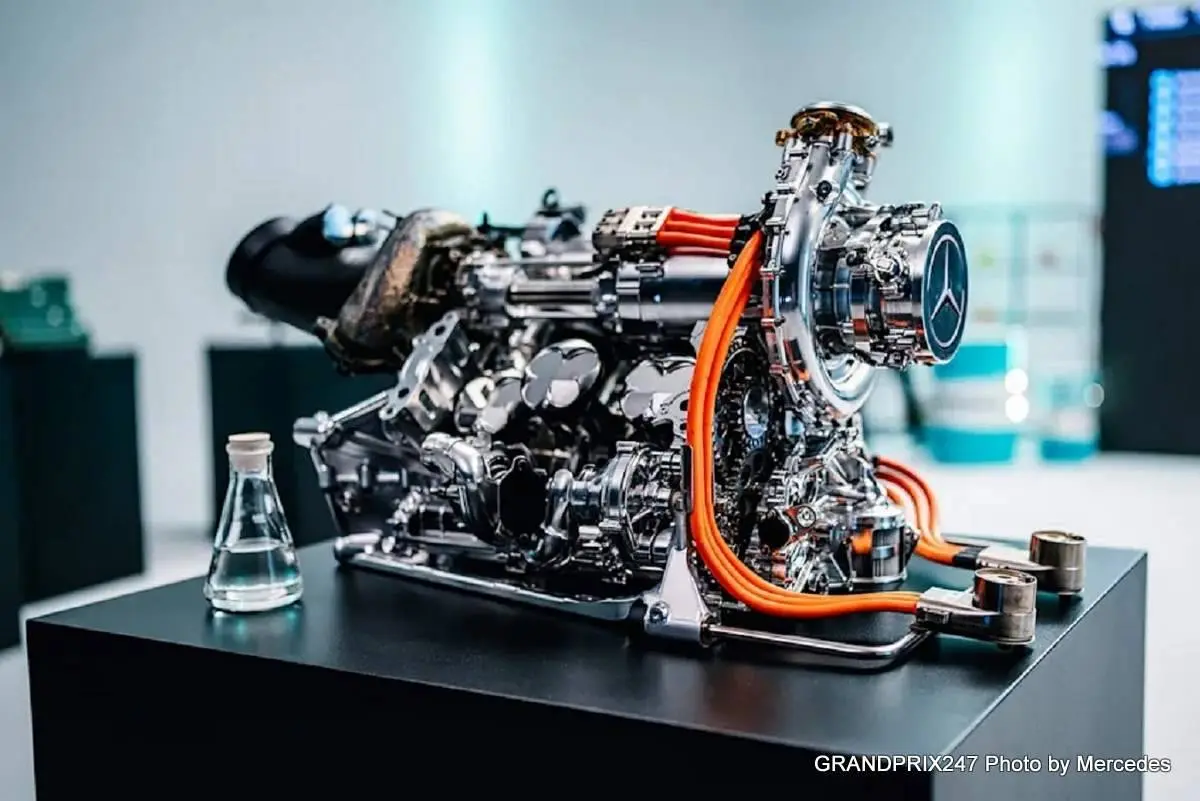
That was the case the last time F1 changed the engines back in 2014, introducing the V6 Turbo-Hybrid power units, and Mercedes enjoyed a huge advantage as their power unit was the best from the start.
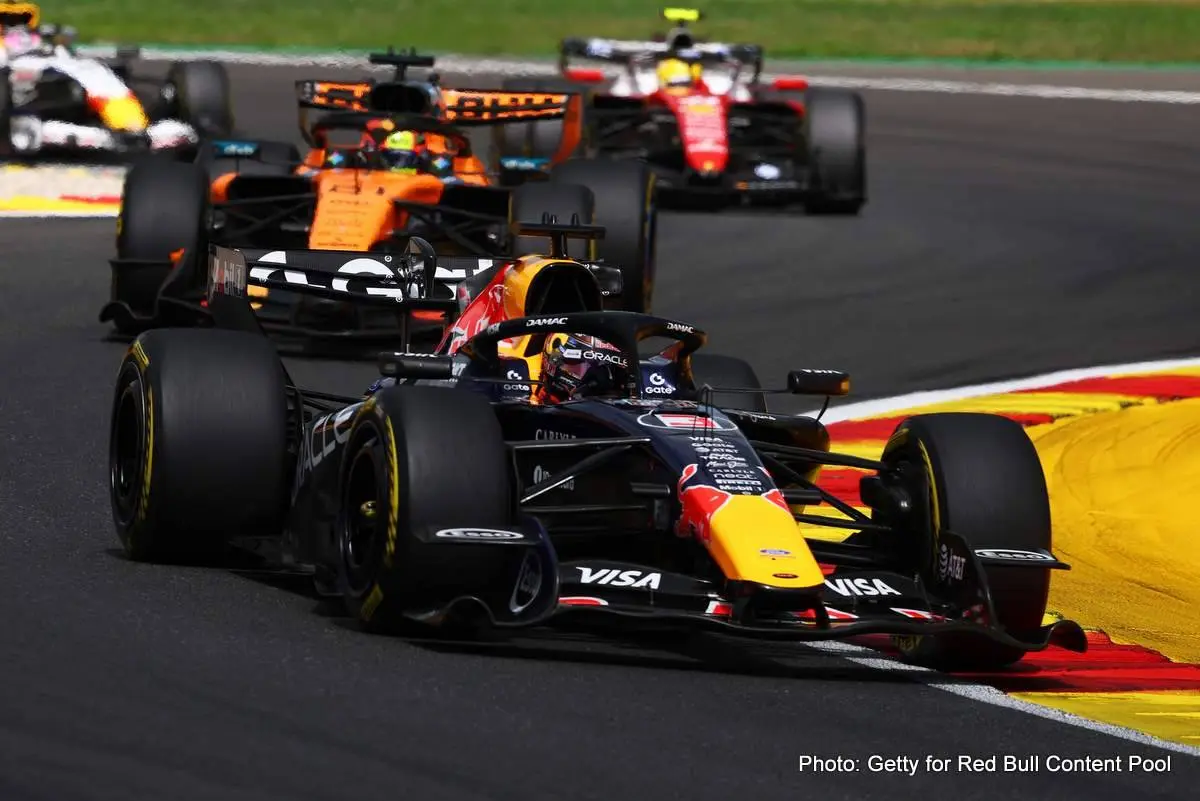
And while other manufacturers like Ferrari and Honda managed to catch up, Renault didn't, and the head start Mercedes had meant they dominated the sport between 2014 and 2020 and were only dethroned by Red Bull in 2021 as Max Verstappen, powered by Honda, beat Lewis Hamilton to that year's drivers' crown.
With only one season remaining with the current regulations, the talk about 2026 has ramped up with many variables in play, given the radical changes affecting both the chassis side and the power unit side, the latter becoming more oriented towards the hybrid part, which will deliver 50% of the total power output. The fuel used will be sustainable.
Newey, who will join Aston Martin in March 2025 after leaving Red Bull back in May 2024, mused on the upcoming F1 regulations in 2026, which will feature four power units: Mercedes, Honda, Ferrari, and Red Bull Powertrains.
Cadillac, who will enter the sport in 2026, will start producing their own power unit in 2028, while Alpine dropped their Renault power unit to become customers of Mercedes.
Newey told Auto Motor und Sport: "There has to be a big chance that it's an engine formula at the start.
An advantage on the combustion engine side will be hard overcome

"I can't remember another time in Formula 1 when both the chassis regulations and the engine regulations have changed simultaneously, and where in this case the chassis regulations have been very much written to try to compensate, let's say, for the power unit regulations. So, it's an extra dimension.
"There has to be a chance that one manufacturer will come out well on top, and it will become a power-unit-dominated regulation, at least to start with. There's a chance that if it's on the combustion engine side of it, that somebody comes up with a dominant combustion engine that will last through the length of the formula, because the way the regulations are written, it's quite difficult for people who are behind to catch up.
"If it's on the electrical side, then there's much more ability to catch up if you're behind. And on the fuel side, which might play a role as well, there's flexibility in principle.
"But with dyno restrictions and the fact that everything's so optimized, you can't simply chuck a different fuel into an engine that hasn't been optimized for it," the British engineer explained.
Newey, who will be a shareholder with Aston Martin, can only hope Honda, who will become the team's works power unit supplier in 2026, deliver a solid unit.
As for the chassis part, the F1 design guru will be focusing on it once he joins since there is so little he can do with Aston Martin's 2025 car, and that is the main reason Lawrence Stroll moved heaven and earth to lure him from Red Bull, beating Ferrari in the process.
Newey continued: "My concentration will clearly be on '26. No doubt Lawrence [Stroll, Aston owner] will want me to be a little bit involved in the '25 car. So, whether I can really contribute anything or not, I've got no idea until I start.
"I've been out of Formula 1, really, since end of April," he pointed out. "I have little detailed knowledge of the new regulations. On the power-unit side, the regulations have been out for some time.
"But in terms of the chassis side, aerodynamics and the vehicle dynamics, then I don't have much knowledge, so that will be a rapid learning curve when I do start," Newey concluded.
Latest News
Loading