McLaren arrived at the Belgian Grand Prix with both Lando Norris and Oscar Piastri clearing their power unit allocations and went on to score a one-two in Sunday's race'
For Spa-Francochamps, each McLaren driver got a fresh internal combustion engine, turbocharger, MGU‑H, and MGU‑K. Piastri adds a new energy store and control electronics. These “third and final” updates are within regulations, meaning no grid penalties for exploiting their full allocation this season.
This is a calculated move. Spa-Francorchamps slaughters engines with its long straights and brutal acceleration zones. McLaren opted to reset their powertrain during a period of dominance. Momentum is on their side with nine wins in 2025, and they’re adding fresh components before the pressure builds.
For context, analysts such as Lewis Humphries have drawn comparisons between motorsport risk management and the way Australian punters assess odds. In both cases, success comes from identifying when the balance of risk and reward is most favorable.
Just as bettors weigh margins in search of long-term value, McLaren is taking advantage of their strong position to reset engine usage before the championship reaches its closing stages. It’s a calculated play designed to give Norris and Piastri maximum flexibility as the season intensifies.
Strategy, Quotes, and Trackside Tactics

McLaren’s call gives them breathing room while rivals face tighter constraints. Ferrari and Red Bull have already used multiple power units. They risk penalties if they encounter issues. McLaren’s reliability has allowed Norris and Piastri to stay aggressive while others play defense.
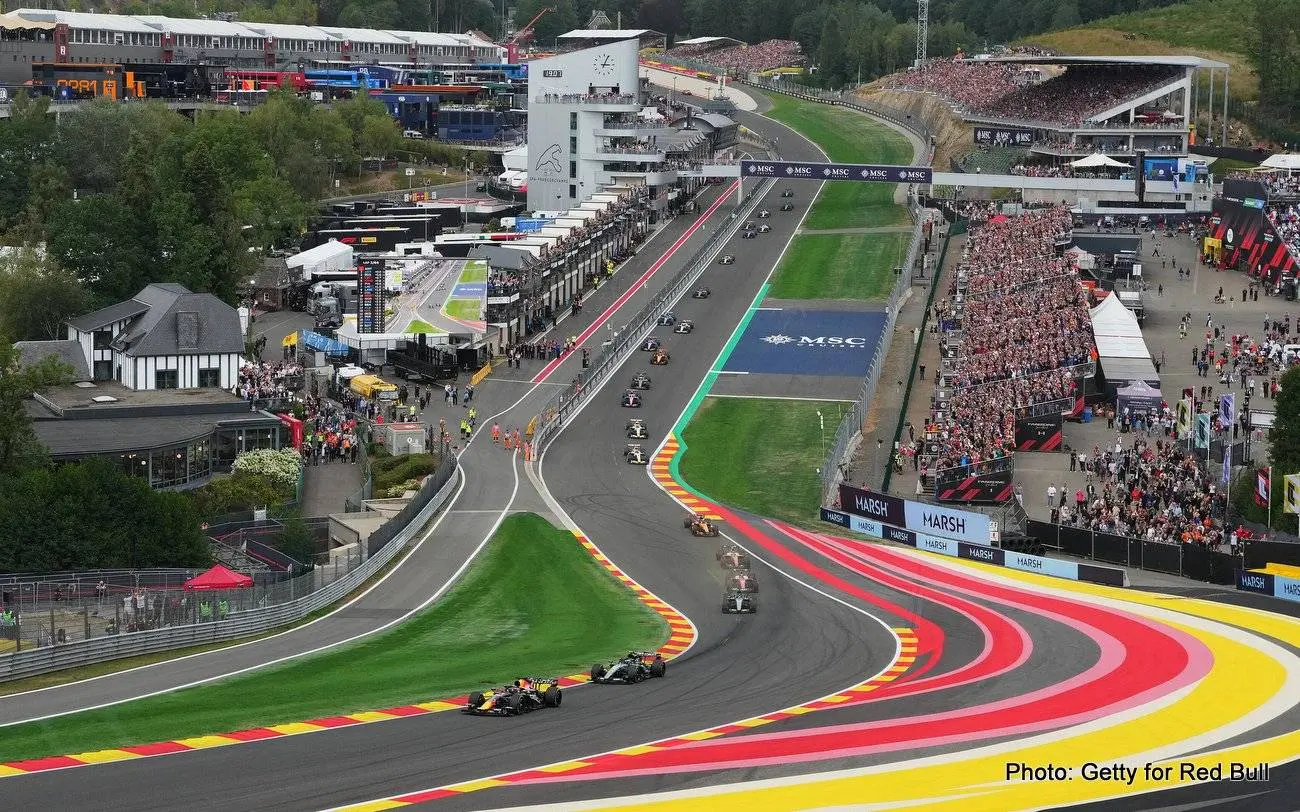
Oscar Piastri underlined his racecraft with a commanding Spa win after a rain-delayed start behind the safety car. The result was built on McLaren’s recent progress, including a new floor and rear wing introduced at Spa. Team principal Andrea Stella even called Piastri’s sprint-pole lap pretty amazing as the upgrades delivered tangible pace gains.
Lando Norris, meanwhile, didn’t dwell on his mistake. “He just did a better job... that was it. Nothing more I could do,” he said. McLaren Chief Andrea Stella downplayed earlier battery-deployment drama, calling it non-decisive, confident in their hardware in normal conditions.
Even before the race, McLaren stressed patience. With the pair locked 1–2 on the grid, Stella urged caution at the start, especially with rain threats looming. “When you have such a good competitive car, you just have to make sure that we minimise the trouble during lap 1,” he advised. It put the spotlight on clean execution over aggressive jockeying.
McLaren one-two at Spa

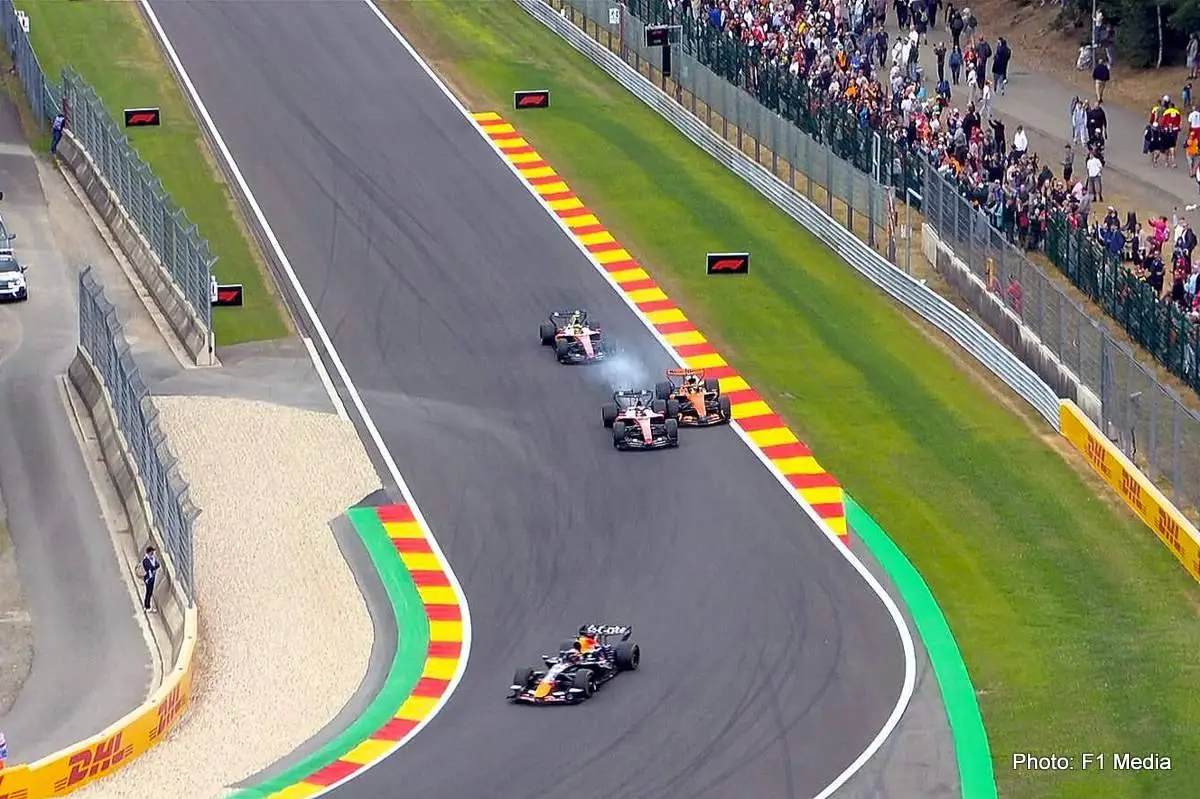
Spa also brought strategy nuances. Norris gambled on a harder tyre at the restart, diverging from Piastri’s medium. It appeared clever. Until a few costly errors on worn rubber erased his advantage. Piastri’s disciplined tyre usage rewarded him with a 3.4-second margin of victory, now giving him a 16-point championship lead.
The Spa one-two also bolstered McLaren’s constructors’ standing. Their operational precision (balancing upgrades, reliability, and tire tactics) has turned car and driver into a lethal combo. This is especially true compared to rivals like Ferrari, which made upgrades but still lagged behind McLaren’s technical consistency.
With Spa now in the rearview, McLaren heads into the summer break confident. Piastri's now unmatched reliability with 12 point-scoring finishes and zero DNFs combined with Norris's pace, make this the most dangerous McLaren era since Hamilton. With fresh power units and clear momentum, they're betting it all to bring a world title home.
Latest News

Loading