Mattia Binotto is not expecting the Audi power unit to be the best in 2026
F1 NewsSunday, 25 January 2026 at 08:00
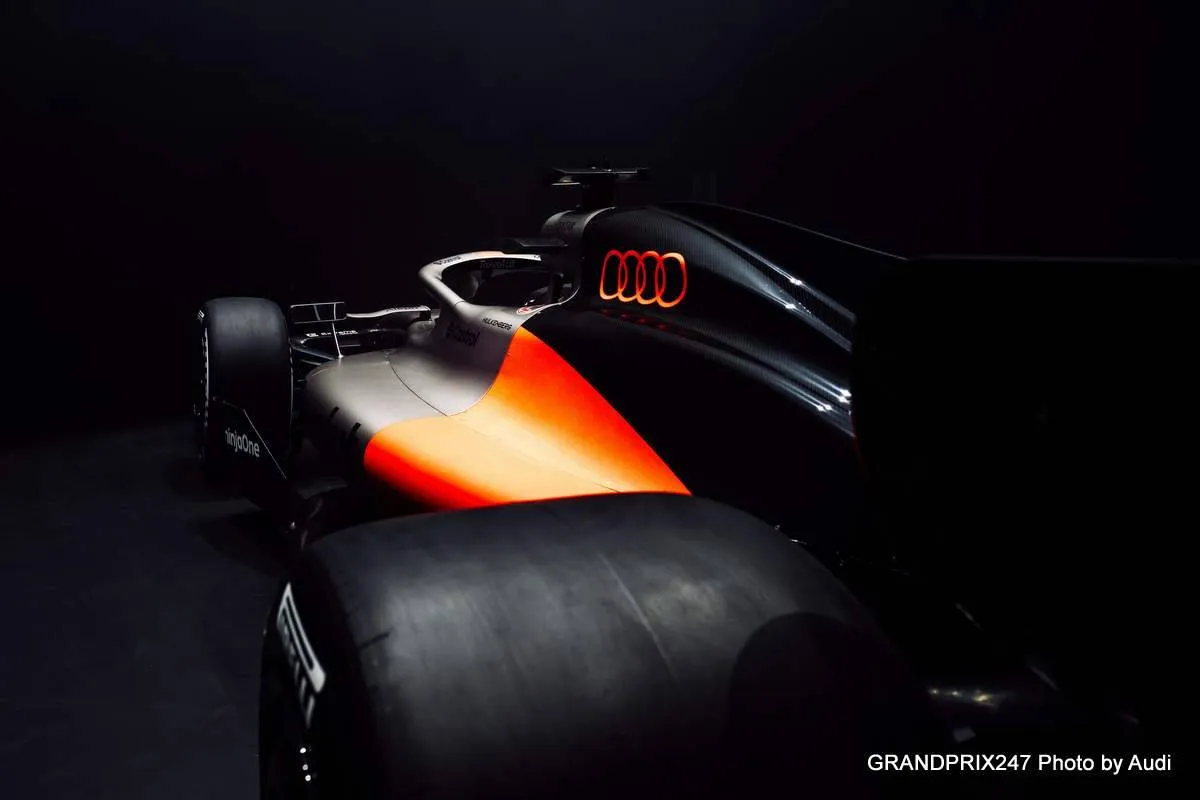
Mattia Binotto, the head of Audi's F1 Project, is adopting a conservative approach as he sets expectations for the German marque's maiden season in Formula 1.
While Audi have taken over Sauber, they had to build their own F1 power unit, which is based on the new-for-2026 regulations.
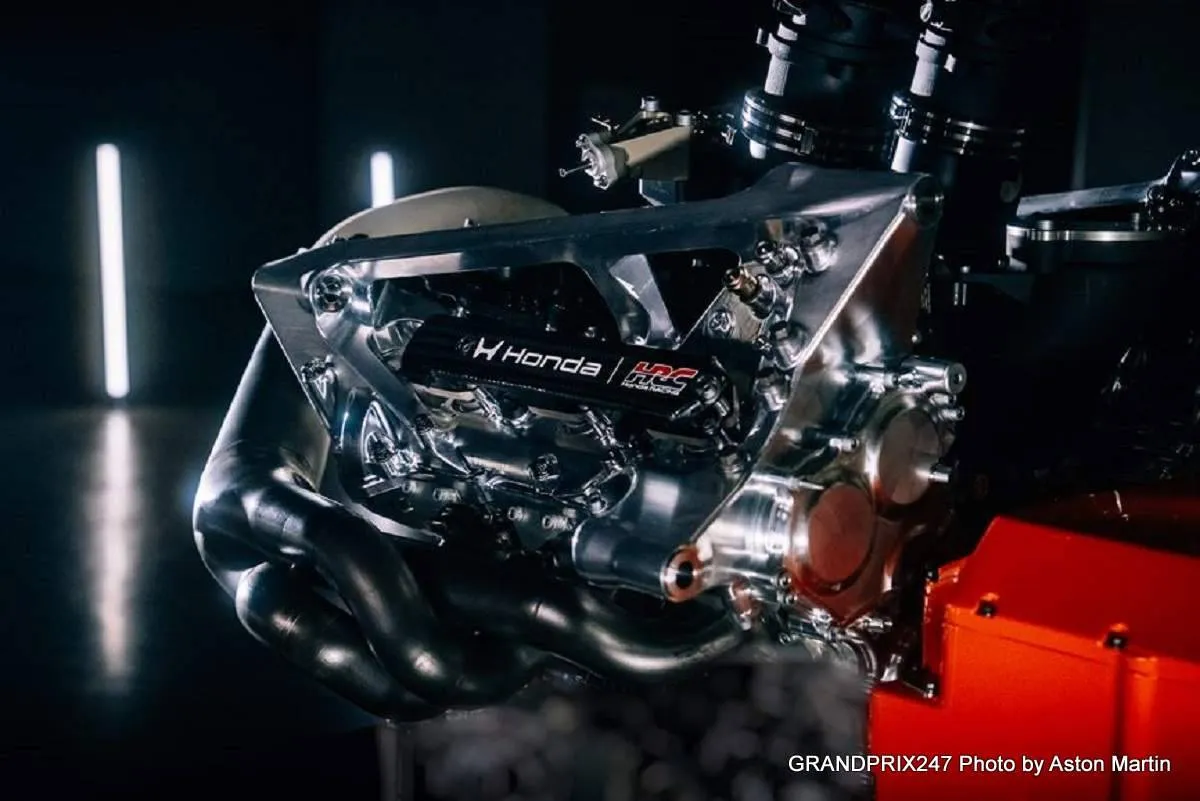
Despite having new power units in 2026, other manufacturers like Mercedes, Ferrari, and Honda have the luxury of longer experience building F1 engines, something Audi lacks.
This means Audi will have to work hard to compete with its more established rivals, a point Binotto acknowledged when facing the media at Audi's launch event last Tuesday.
"They've got the most experience; they are a settled-down organization," he said. “If a team or a manufacturer was great in the past, it will remain great in the future—that's no doubt. It will be a very difficult challenge for us.
“So I'm not expecting our powertrain to be the best since the very start," he admitted. "That would be impossible; that would be unrealistic. But I think we are on our journey, and we need to stay focused on ourselves.
“We know that we may face problems during the season. We may face reliability issues or failures. But what will count the most for me is, again, the team reacting properly," Binotto maintained.
The compression ratio saga

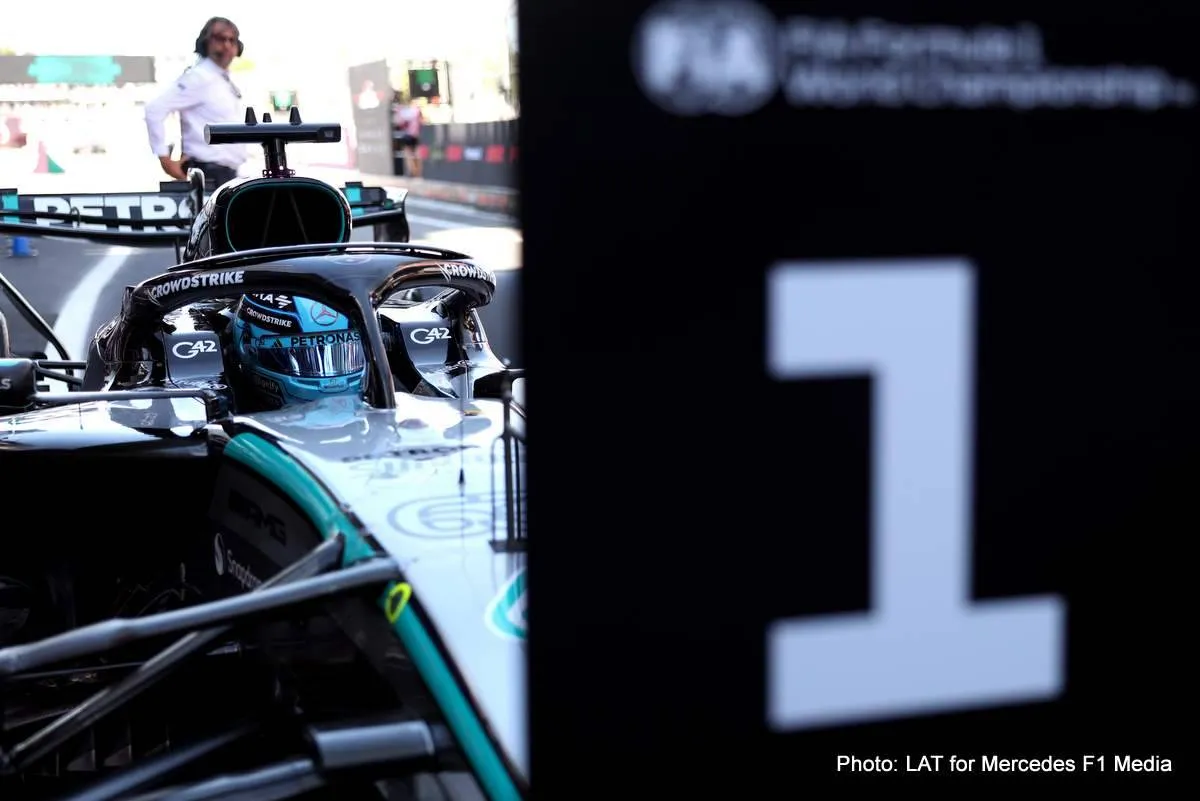
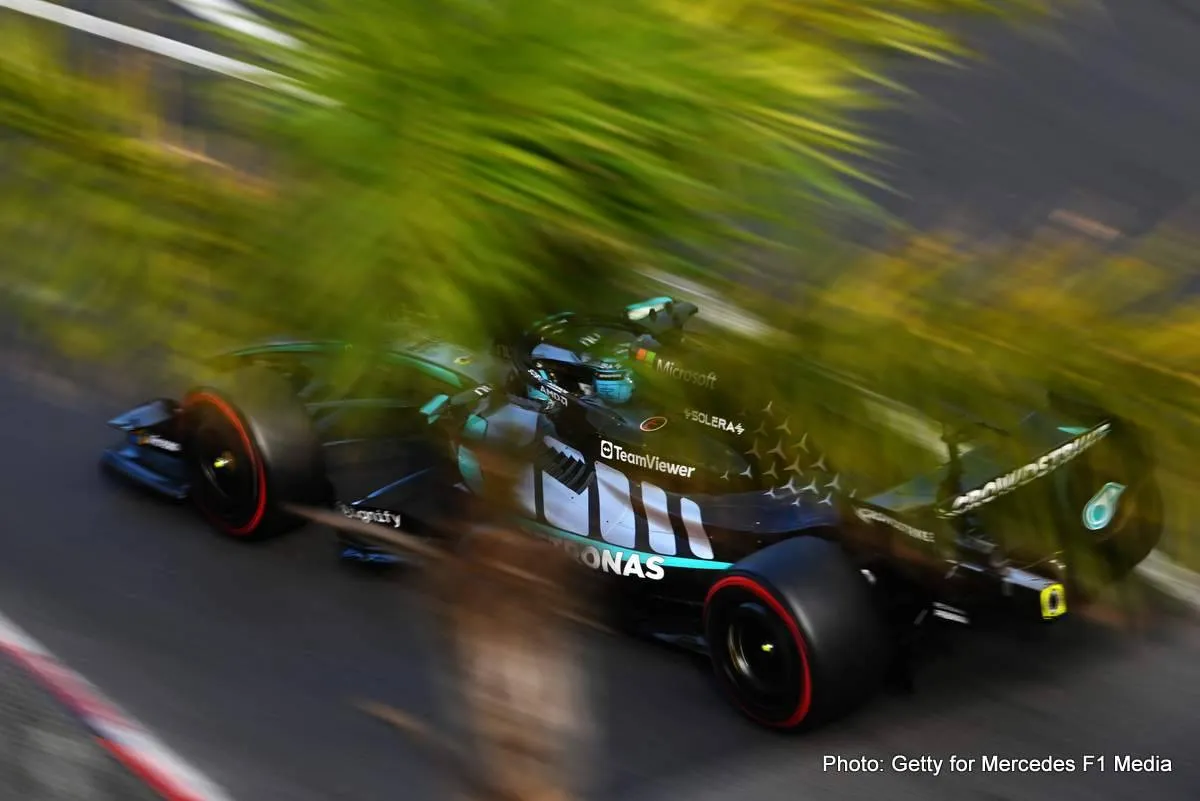
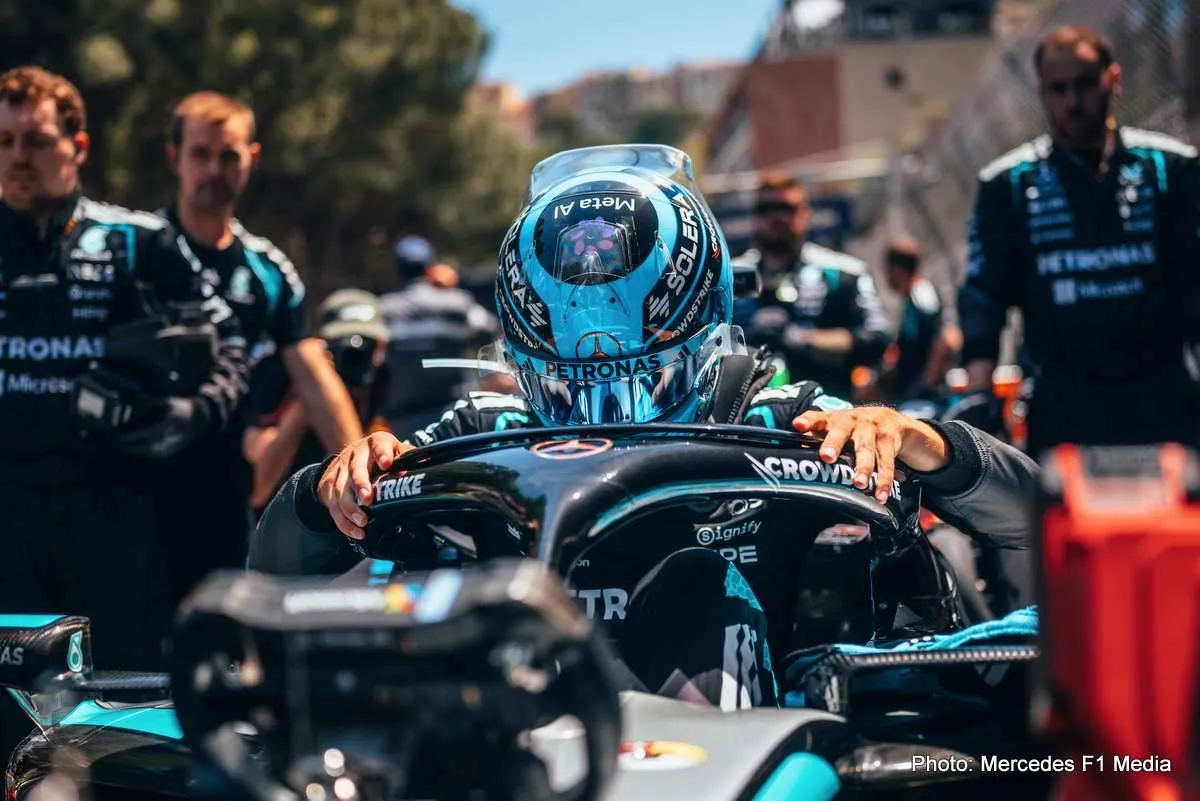
Before the 2026 F1 cars run in anger, the sport appears to be facing its first technical controversy, as rumors have been swirling claiming Mercedes and, to a certain extent, Red Bull have managed to find a loophole that allowed them to increase the compression of their internal combustion engines under hot, running conditions to exceed the mandated 16:1 compression ratio.
Binotto claimed that would be a significant advantage but insisted it wasn't strange for such a situation to emerge in a highly competitive sport like F1.
He said: “It's the fight in Formula 1; it's part of our job. It would not be normal that we are not fighting each other and, I don't know if it's true or not.
"There are only rumors at the moment that Mercedes may have designed an engine such that the compression ratio can be high and higher in hot conditions—but that's not for me to prove.
"If it's real, first, it is certainly a significant gap in terms of performance and lap time, and certainly that would make a difference when we come to competition on track," the Italian explained.
The FIA and the manufacturers are set to meet to discuss the compression topic ahead of testing. (Quotes from Motorsport.com)
Latest News






Loading

