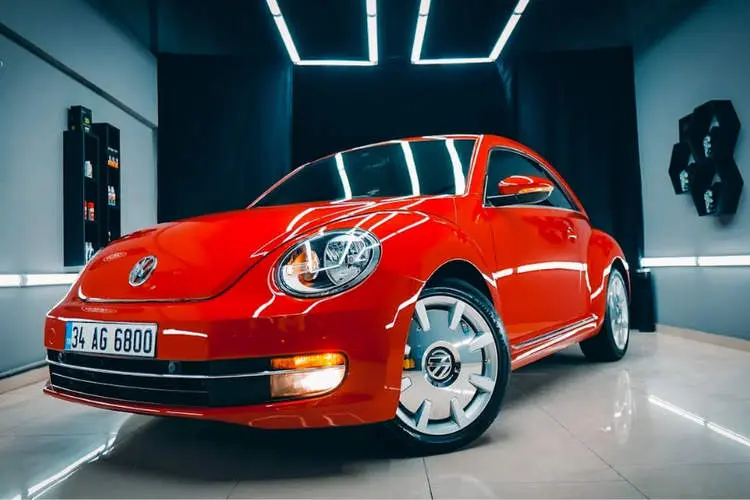
If you’ve invested in ceramic coating for your car, congratulations! You've taken an important step towards long-term protection and shine. But here’s the catch—ceramic coating isn’t magic.
While it offers an excellent barrier against dirt, UV rays, and minor scratches, it still requires regular care to stay effective. If you’re new to this, you might have questions about maintaining your ceramic-coated vehicle. Don’t worry, we’ve got you covered. In this guide, we’ll break down everything you need to know about keeping your ceramic-coated vehicle in tip-top shape.
Understanding Ceramic Coating
First off, what exactly is ceramic coating? In simple terms, it’s a liquid polymer applied to the exterior of your car, forming a chemical bond with the paint. Once cured, it creates a protective layer that shields your car from environmental hazards like dirt, UV rays, and even minor abrasions.
The benefits of ceramic coating are plenty. For one, it makes your car’s surface hydrophobic, meaning water and dirt slide off easily. Plus, it enhances your car’s shine, giving it a glossy, showroom-like appearance. On top of that, a good ceramic coating can last anywhere from two to five years with proper care.
However, there’s a common misconception that once a car is ceramic coated, it’s maintenance-free. That’s simply not true. To make sure your car’s coating stays effective, regular maintenance is crucial.
Basic Maintenance Routine
So, how often should you clean your ceramic-coated car? Ideally, a bi-weekly or monthly wash is recommended, depending on how often you drive and your local climate. Rain, dust, and bird droppings can wear down the coating faster, so don’t wait too long between washes.
One of the key rules in maintaining a ceramic-coated car is using a pH-neutral car shampoo. Why does that matter? Well, regular car soaps can be too harsh, potentially stripping away the coating or dulling its shine. A pH-neutral shampoo, on the other hand, is gentle and preserves the integrity of the coating.
When it comes to washing, always use gentle techniques. Abrasive sponges or dirty rags can create micro-scratches, which could affect both the coating and your car’s paint. A microfiber wash mitt is your best friend here. After washing, make sure to dry your car thoroughly with a soft microfiber towel to prevent water spots.
For newly coated cars, be extra gentle during the first few weeks as the coating cures fully. Avoid using any aggressive cleaning agents or methods during this period.
The Two-Bucket Wash Method
To minimize the chances of scratching your car, you should use the two-bucket wash method. It might sound fancy, but it’s quite simple.
Here’s what you’ll need:
- Two buckets (one for soapy water, the other for rinsing)
- A microfiber wash mitt
- pH-neutral car shampoo
Step-by-step, here’s how it works:
- Fill one bucket with soapy water and the other with plain water.
- Dip your microfiber mitt in the soapy water, then wash a section of the car.
- Rinse the mitt in plain water to remove any dirt or contaminants.
- Repeat until the entire car is clean.
The beauty of this method is that it reduces the risk of dragging dirt and debris across your car’s surface, which could create scratches. This simple technique goes a long way in keeping your ceramic coating pristine.
Essential Tools and Products
Speaking of microfiber wash mitts and towels, having the right tools is essential for maintaining your ceramic-coated car. Here’s a quick rundown of what you’ll need:
- Microfiber towels: These are gentle on your car’s surface and perfect for drying and buffing.
- Wash mitts: A soft microfiber mitt is far superior to using sponges or rags, which can hold onto dirt particles.
- pH-neutral car shampoo: As mentioned earlier, this is key for preserving the integrity of your coating.
- Maintenance sprays: These sprays can be applied after a wash to enhance the coating’s hydrophobic properties and add an extra layer of protection.
For those with limited space or resources, consider investing in a maintenance kit with all the necessary tools. Alternatively, mobile detailing services can be a great option if you don’t have the setup for DIY washes.
Professional vs. DIY Maintenance
Now, should you always handle maintenance on your own, or is professional care better? Both options have their pros and cons.
DIY maintenance can be rewarding and cost-effective, especially if you enjoy caring for your car. However, professionals often have specialized tools and techniques that can bring out the best in your ceramic coating. Plus, they’re experts at spotting issues you might overlook.
If you decide to go the professional route, be sure to find a reputable detailer who understands ceramic coatings. Look for reviews, certifications, or referrals before trusting anyone with your car.
Dealing with Specific Issues
No matter how careful you are, tough stains like bird droppings, tree sap, or tar may still find their way onto your car. The trick is to address these contaminants as soon as possible. Use a dedicated ceramic coating-safe cleaner and avoid scrubbing too hard to prevent damage to the coating.
For light scratches or swirl marks, you can often buff them out with a microfiber towel and a ceramic coating maintenance spray. In more severe cases, you may need to consult a professional.
Seasonal Maintenance Tips
Different seasons require different approaches to car care. In winter, road salt can be your worst enemy, as it accelerates corrosion. Rinse your car regularly to remove salt, and consider applying a ceramic coating topper for extra protection.
In summer, UV exposure can break down the coating over time. Regular washes and maintenance sprays can help extend the life of the coating. Spring and fall are ideal times to give your car a deep clean and prep it for the changing seasons.
Long-Term Care and Reapplication
Even with the best care, ceramic coatings will eventually wear down. How do you know when it’s time for a reapplication? Look for signs like water not beading as much or the surface feeling rough. When you notice these, it might be time to consider a reapplication to protect your car.
To extend the life of your coating, stick to a consistent maintenance routine and avoid using any harsh chemicals or abrasive cleaning methods.
The Key to a Long-Lasting Ceramic Coating
Maintaining a ceramic-coated car isn’t as daunting as it sounds. With regular, gentle cleaning and the right products, your car will stay shiny and protected for years. Remember, the key is consistency.
In the realm of ceramic coating technology, Feynlab emerges as an industry frontrunner, delivering products that yield impressive outcomes. If you're looking to give your car the gold standard in protection, consider exploring Feynlab's cutting-edge ceramic coating range.
Latest News








Loading