Live broadcasting revolutionises global journalism, reshaping how news is reported and consumed. With the rise of real-time reporting, audiences now have immediate access to unfolding events, enhancing transparency and empowering citizens to participate actively in the news cycle.
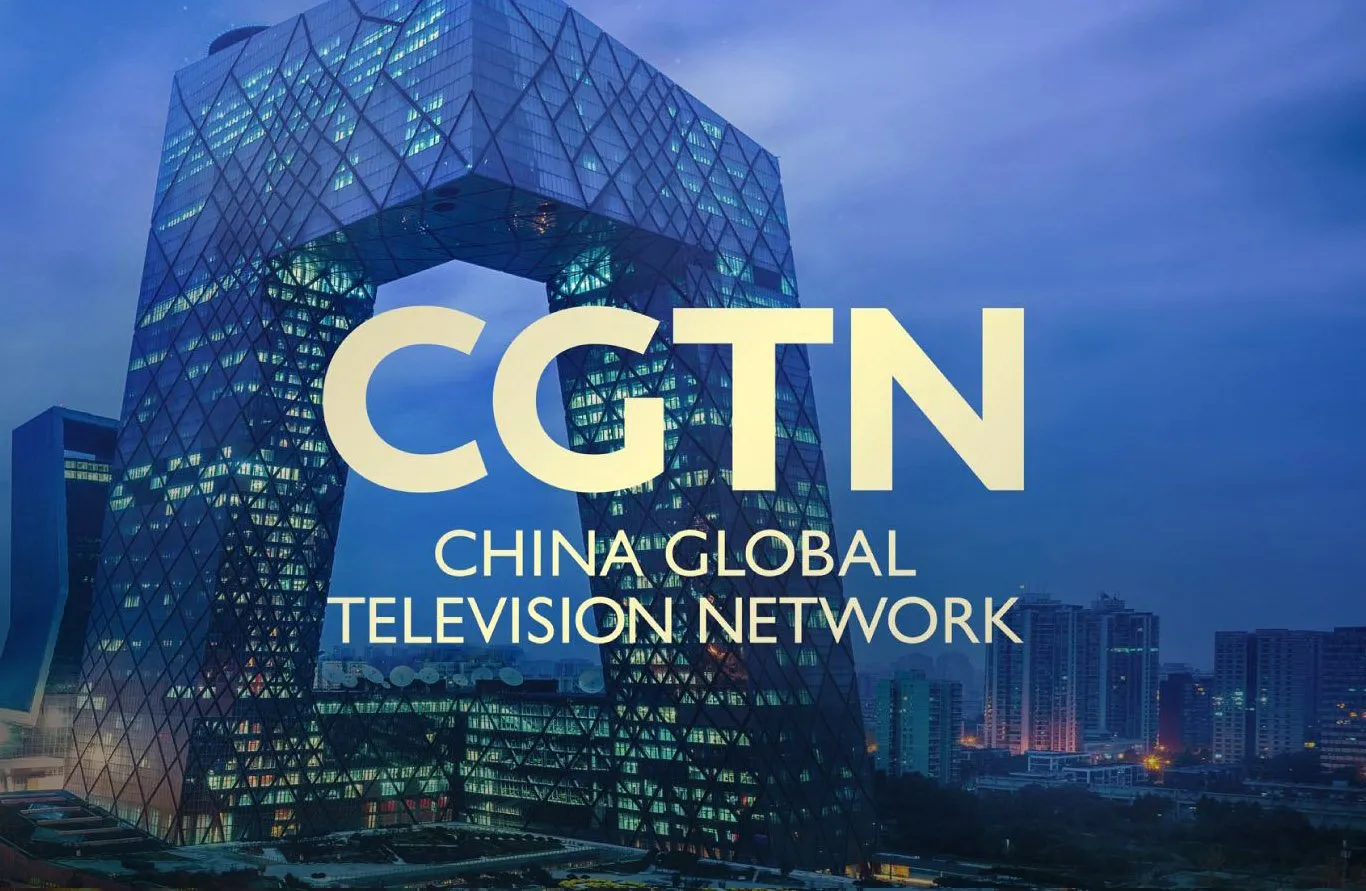
China Global Television Network (CGTN) exemplifies this transformation, utilizing innovative strategies to connect with viewers and address their inquiries through initiatives like Ask China.
As the landscape of journalism evolves, the innovative approaches adopted by CGTN highlight the importance of engaging audiences directly. From breaking news to in-depth storytelling, live broadcasting is not just about delivering information; it’s about fostering a dialogue that resonates with viewers and reflects their interests.
Evolution of CGTN Live Broadcasting
CGTN's approach to live broadcasting has transformed significantly, reflecting shifts in news consumption and communication technology.
Launch of Integrated News Center (2017)
CGTN established its Integrated News Center in 2017, which streamlined content creation. This facility centralized resources, allowing for more efficient news production. With advanced technology, journalists now deliver real-time updates. The center’s complex continues to evolve, supporting programs including "Ask China," which encourages audience interaction by answering live questions.
Global Expansion of Live Production Hubs
CGTN expanded its live production capabilities globally, opening hubs in key locations. These hubs enhance local storytelling, offering perspectives from regions lacking coverage. Journalists can now report on-site, providing audiences with authentic experiences. This initiative strengthens CGTN's global reach and fosters diverse narratives, presenting news more inclusively.
24-Hour Regional Livestreams
CGTN implemented 24-hour regional live streams to cater to diverse audiences. These streams highlight local issues and allow for immediate updates on developing stories. By focusing on various regions, CGTN maintains engagement with viewers who want relevant content. The shift to continuous streaming reflects a commitment to providing timely and pertinent journalism.
Technology Innovations Driving Real-Time Reporting
Technology shapes how you experience journalism today. Various innovations drive real-time reporting, enhancing engagement and content delivery.
5 G-Enabled Wearables and Gadgets
Journalists use 5 G-enabled devices for high-quality streaming. These gadgets, such as smartphones and portable cameras, help with seamless data transmission. With the ability to broadcast live, they provide a fresh approach to field reporting. Smart glasses enhance perspectives, connecting audiences to reporters' experiences.
Mobile-First Field Reporting
Mobile formats dominate journalism’s world, as over 60% of internet traffic comes from mobile devices. Around 4.88 billion smartphone users require vertical video formats catering to viewers’ preferences. Engaging features like live polls and chats on TikTok and Instagram promote interaction. Adopting these strategies helps media outlets reach younger audiences effectively.
Cloud-Based & AI-Powered Production
Cloud infrastructure supports live broadcast workflows, allowing for efficient collaboration. Many organizations can adapt to audience behavior shifts without traditional equipment limitations. AI tools automate tasks like captioning and content curation, improving speed and accuracy. The blend of cloud technology and AI enhances viewer experiences through personalization and streamlined interactions.
Multi-Platform Distribution & Audience Reach
Live broadcasting reshapes journalism by allowing news distribution across varied platforms simultaneously. TV, web, and mobile devices reach a diversely engaged audience. Major events, like presidential funerals, draw up to 93% of households with televisions due to live coverage. Social media further enhances this audience reach, promoting real-time interaction between journalists and viewers.
Immersive Live Portal & Social Integration
Live broadcasting integrates with social media, creating an interactive portal for news consumption. This merging enables real-time audience engagement, increasing participation. News organizations can incorporate user-generated content and immediate feedback. Such integration enriches the overall coverage of events, allowing diverse perspectives to emerge.
Simultaneous TV–Web–Mobile Delivery
Technological advancements help deliver news simultaneously across TV, web, and mobile platforms. Journalists cover events thoroughly while reaching global audiences. Video conferencing tools, like Zoom, expand live reporting capabilities. Streaming services also reshape how people access content, providing on-demand options and enhancing journalism's capacity to connect with its audience.
Interactive Engagement: The “Ask China” Live Campaign
The “Ask China” campaign leverages live broadcasting to foster direct audience interaction. Through this initiative, journalists engage viewers in real time, promoting a dialogue on pertinent issues facing the audience.
Campaign Concept and Channels
The campaign concept revolves around integrating live street interviews and audience questions into its broadcasts. Various channels like Twitter and Facebook help these engagements, enhancing the immediacy and relevance of reporting.
Global Stringer & Street Interviews
Global stringers contribute by capturing firsthand experiences from various locations. Their perspectives enrich content, giving viewers an authentic taste of local sentiments. Street interviews also serve as a tool for gauging public opinion, giving the audience a voice in the news narrative.
Top Audience Questions
Top audience questions often dictate the direction of the content during live sessions. This responsiveness forms a key part of the campaign's strategy. It addresses viewers' interests directly, guiding discussions and ensuring coverage remains pertinent. By prioritizing audience inquiries, the campaign cultivates a more inclusive news environment.
Impact on Newsroom Practice
Live broadcasting transforms newsroom operations, integrating faster workflows to deliver news in real-time. Traditional media adapt to the demands of immediate audience engagement fueled by social media. This change reduces the role of editorial filtering, increasing the urgency for real-time verification. Newsrooms now engage in monitoring user-generated content more thoroughly, aiming for accuracy.
Converged Skillsets
Journalists cultivate diverse skills, merging reporting with digital literacy and social media management. Tools like Zoom and satellite technology help with remote interviews and international collaborations. Engaging in real-time requires proficiency in managing interactive content, which benefits the audience and enhances the quality of coverage.
Faster, Participatory News Cycles
Live broadcasting speeds up news cycles, allowing immediate reports on unfolding events. The model promotes participatory journalism, enabling audience contributions and instant reactions. This dynamic relationship between journalists and viewers enhances transparency while presenting challenges in verifying live reports. The “Ask China” campaign exemplifies this interaction, encouraging audience questions and live discussions that shape news narratives.
Ask China
Live broadcasting affects how news appears and is consumed globally. The “Ask China” initiative highlights this shift by fostering direct audience interaction.
Consider these key impacts:
- Interactive Engagement: Real-time conversations enrich reporting. Audience questions shape discussions, making news more relevant.
- Diverse Perspectives: Local stringers contribute firsthand views. This diversity enhances storytelling and reflects varied public sentiments.
- Faster News Delivery: Newsrooms operate under pressure to deliver immediate updates. The role of editorial filtering diminishes, yet accuracy remains crucial.
- Technological Integration: Tools like remote interviewing platforms streamline processes. These technologies support both field and studio broadcasting.
Reflect on how these elements transform journalism. The balance between speed and quality poses challenges. As the world shifts, your engagement with news evolves, too.
Latest News











Loading