Professional Casino Tournament Players: Masters of Strategy & Skill
F1 NewsTuesday, 28 January 2025 at 00:45
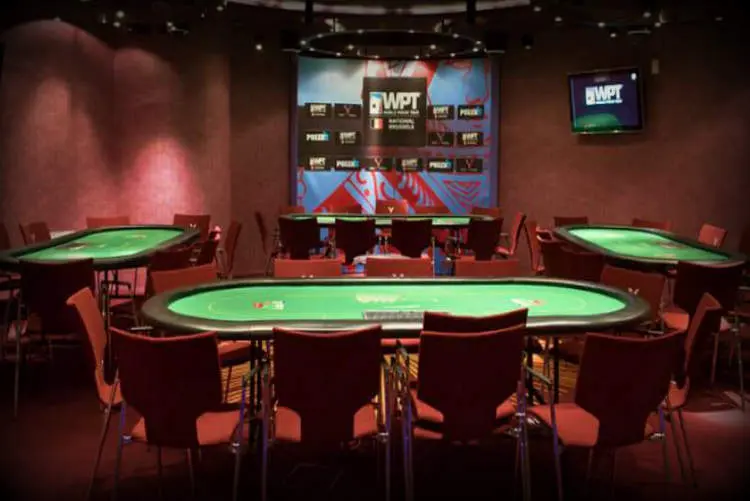
Professional casino tournament players represent a unique breed of gaming enthusiasts. While many casual players rely on luck, these professionals use sophisticated strategies and years of experience to maintain their edge.
According to CasinoBonusesFinder, professional casino tournament players often start their careers by leveraging promotional offers to build their initial bankroll.
For aspiring professionals, particularly in Canada where the gaming scene is thriving, finding the best casino bonus canada opportunities can provide crucial starting capital. The tournament circuit has become increasingly competitive, with players mastering multiple game formats to maximize their winning potential.
Professional Tournament Player Statistics (2024)
| Tournament Type | Average Prize Pool | Active Pros | ROI Range |
| Poker | $2.5M | 850 | 15-25% |
| Blackjack | $1.2M | 425 | 12-20% |
| Slots | $800K | 300 | 8-15% |
| Mixed Games | $500K | 200 | 10-18% |
With the growing popularity of powerball in canada, many tournament professionals have expanded their expertise to include lottery-style games, diversifying their gaming portfolio beyond traditional casino competitions.
Life of a Professional Player
The life of a professional casino tournament player is far more demanding than most people imagine. Tournament veteran and gaming expert Tony Sloterman explains that professional players typically spend 40-50 hours weekly perfecting their craft. "It's not just about playing games," he notes, "it's about understanding mathematics, psychology, and risk management." This dedication often begins before dawn, with many professionals starting their day with intensive study sessions and mental preparation exercises.
Behind the glamorous facade of tournament play lies a rigorous daily routine that would surprise many casual observers. Professional players dedicate their mornings to intensive study sessions, analyzing game patterns and probability calculations with the same dedication that chess masters bring to their craft. The afternoon hours are often spent in live practice sessions or online tournaments, where players test new strategies and refine their techniques. Every evening concludes with detailed performance analysis and preparation for the next day's challenges.
A professional player's daily schedule includes several critical components:
- Mental Preparation and Analysis
- Studying game patterns and probabilities
- Reviewing previous tournament performances
- Analyzing opponent tendencies
- Maintaining detailed performance logs
- Consulting with other professionals
The physical demands of tournament play are equally challenging. Players must maintain peak mental focus while sitting at tables for up to 12 hours at a time, making split-second decisions that can impact thousands of dollars in potential winnings. Many professionals follow strict dietary and exercise regimens to maintain the stamina required for long casino tournament sessions. They understand that physical fitness directly correlates with mental sharpness and decision-making ability under pressure.
Travel becomes a way of life for serious tournament professionals. According to the World Series of Poker (WSOP), the average tournament professional visits 15-20 different venues annually, spanning multiple countries and time zones. This constant movement requires careful planning and adaptation skills. Players must manage jet lag, maintain their study routines in hotel rooms, and stay mentally sharp despite changing environments. Some professionals spend up to 200 days a year on the road, building a network of contacts and seeking out the most profitable tournaments across the globe.
Success in this lifestyle requires exceptional organizational skills and unwavering discipline. Players must manage their bankroll across multiple events, maintain detailed records of their performances, and continuously adapt their strategies based on changing casino tournament conditions. They often work with coaches and analysts to review their play, identifying weaknesses and refining their approach to different game situations. Many professionals also invest in sophisticated software tools to track their performance metrics and analyze patterns in their play, treating their craft with the same analytical rigor that professional athletes bring to their sports.
Keys to Success in a Casino
The psychological demands of tournament play are intense. Players must maintain focus for extended periods while managing significant bankrolls. Success requires not just technical skill but also:
- Critical Success Factors
- Emotional control under pressure
- Strategic bankroll management
- Physical stamina for long sessions
- Network building within the community
- Continuous learning and adaptation
Modern casino tournament professionals leverage technology for improvement. Many use sophisticated tracking software to analyze their play and identify areas for enhancement. The most successful players maintain win rates significantly above amateur levels, though consistent success requires unwavering discipline.
The Business of Casino Tournament Play
The financial aspect of professional tournament play varies significantly. While top players can earn seven-figure incomes annually, most professionals earn more modest returns. According to industry statistics, the median annual income for full-time tournament players ranges from $85,000 to $150,000, with significant variance based on skill level and chosen game types.
The tournament circuit itself has evolved considerably. Online qualifiers now feed into major live events, creating a more accessible path to professional play. Successful players typically maintain relationships with sponsors and take advantage of various promotional opportunities to supplement their tournament earnings.
Looking ahead, the professional tournament scene continues to adapt to changing gaming landscapes. The integration of digital technologies and live streaming has created new opportunities for players to build personal brands and engage with fans.
The future of professional casino tournament play looks promising, with increasing prize pools and growing mainstream acceptance. However, success requires more dedication, skill, and strategic thinking than ever before.
As the field becomes more competitive, only those committed to continuous improvement and professional development tend to succeed long-term. This is a special report for our Formula 1 readers and F1 fans interested in betting best practices.
Latest News








Loading